Beyond brands and software, I do a lot of hands-on work with the objects themselves. The process is almost always the same: I catch a shape or a reference, find the material and a manufacturer, make a sample, and only then decide whether to launch a run. Here are the things that made it to sales and the prototypes I used to test ideas.
Homnay mirrors
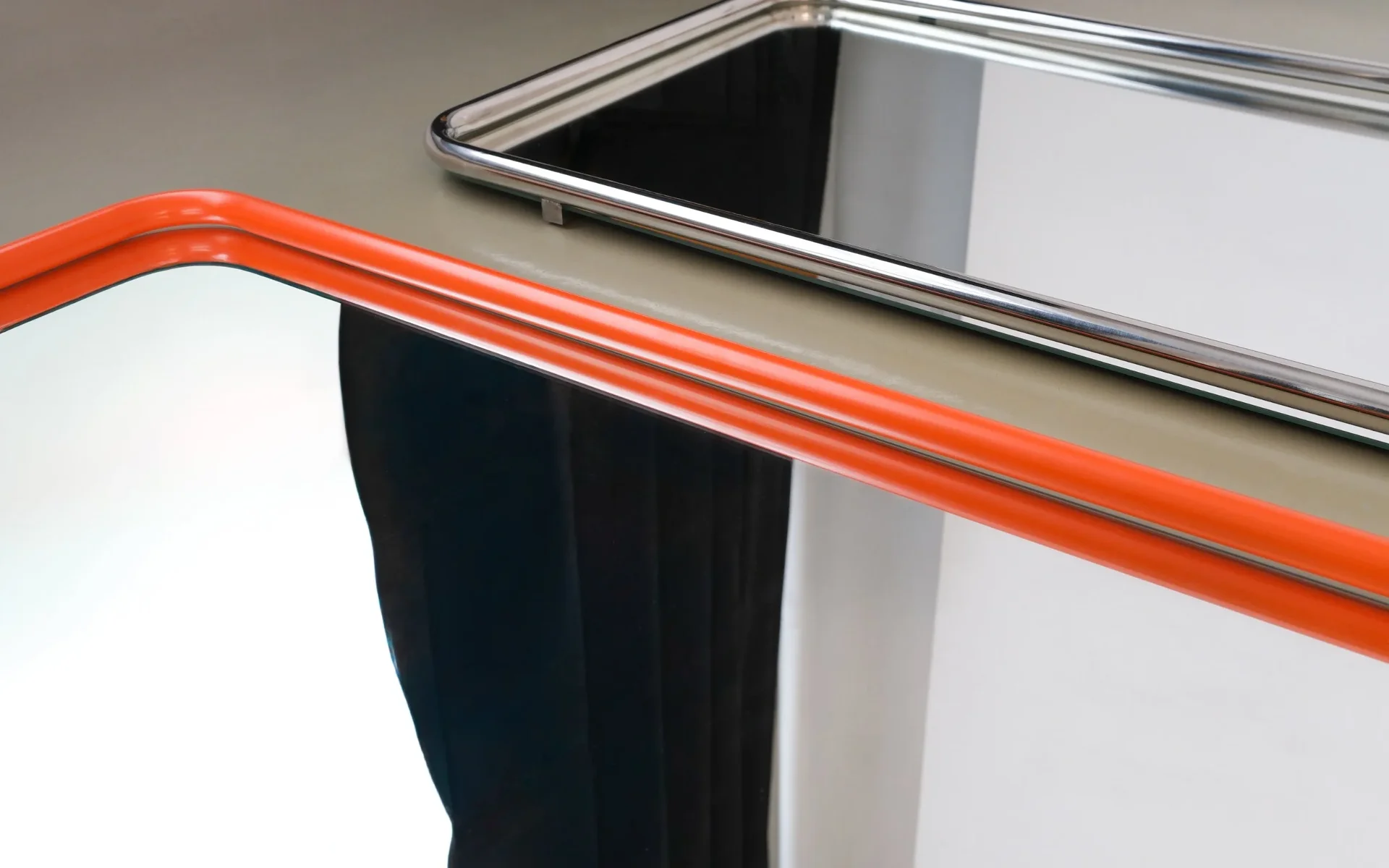
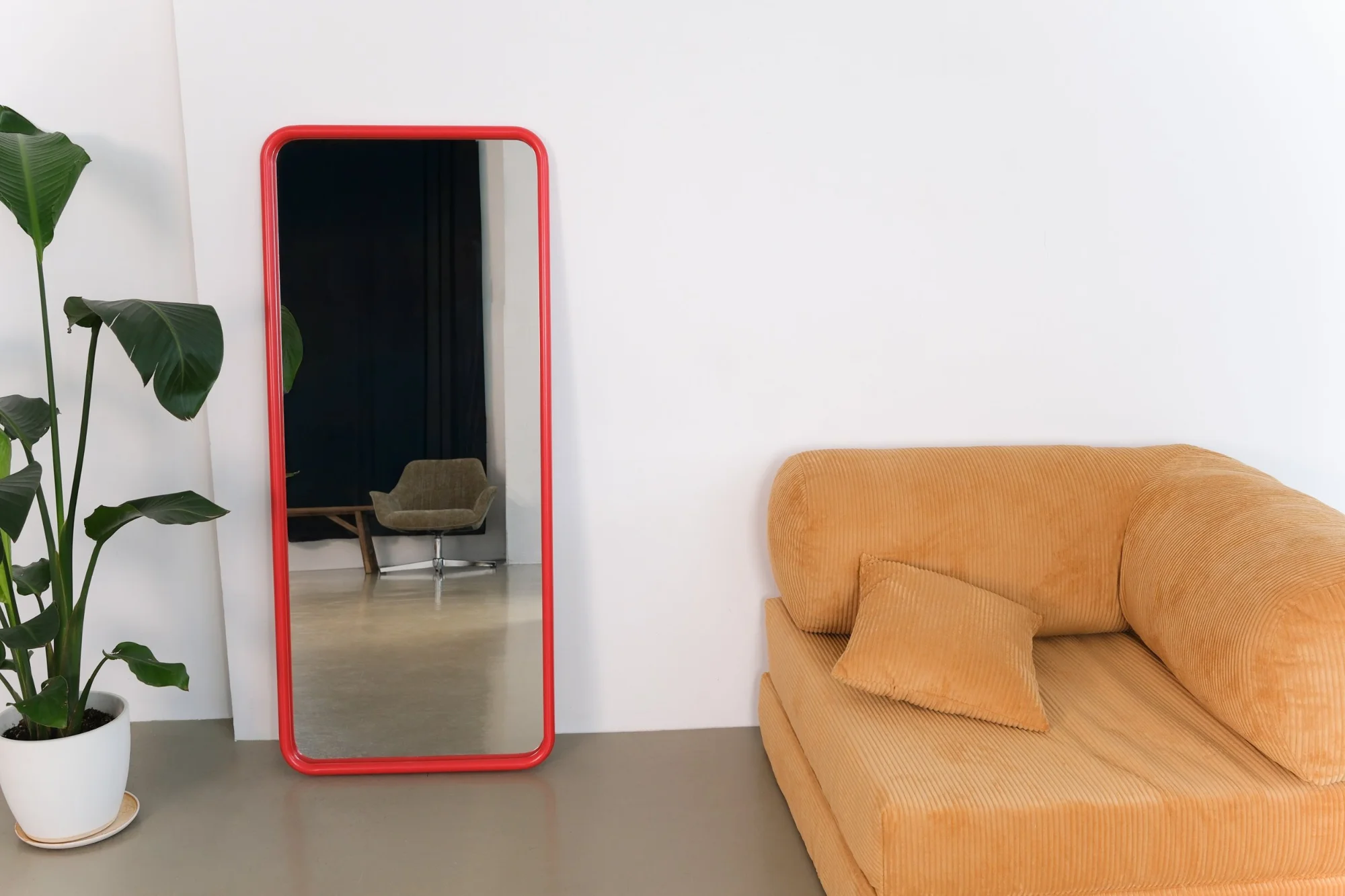
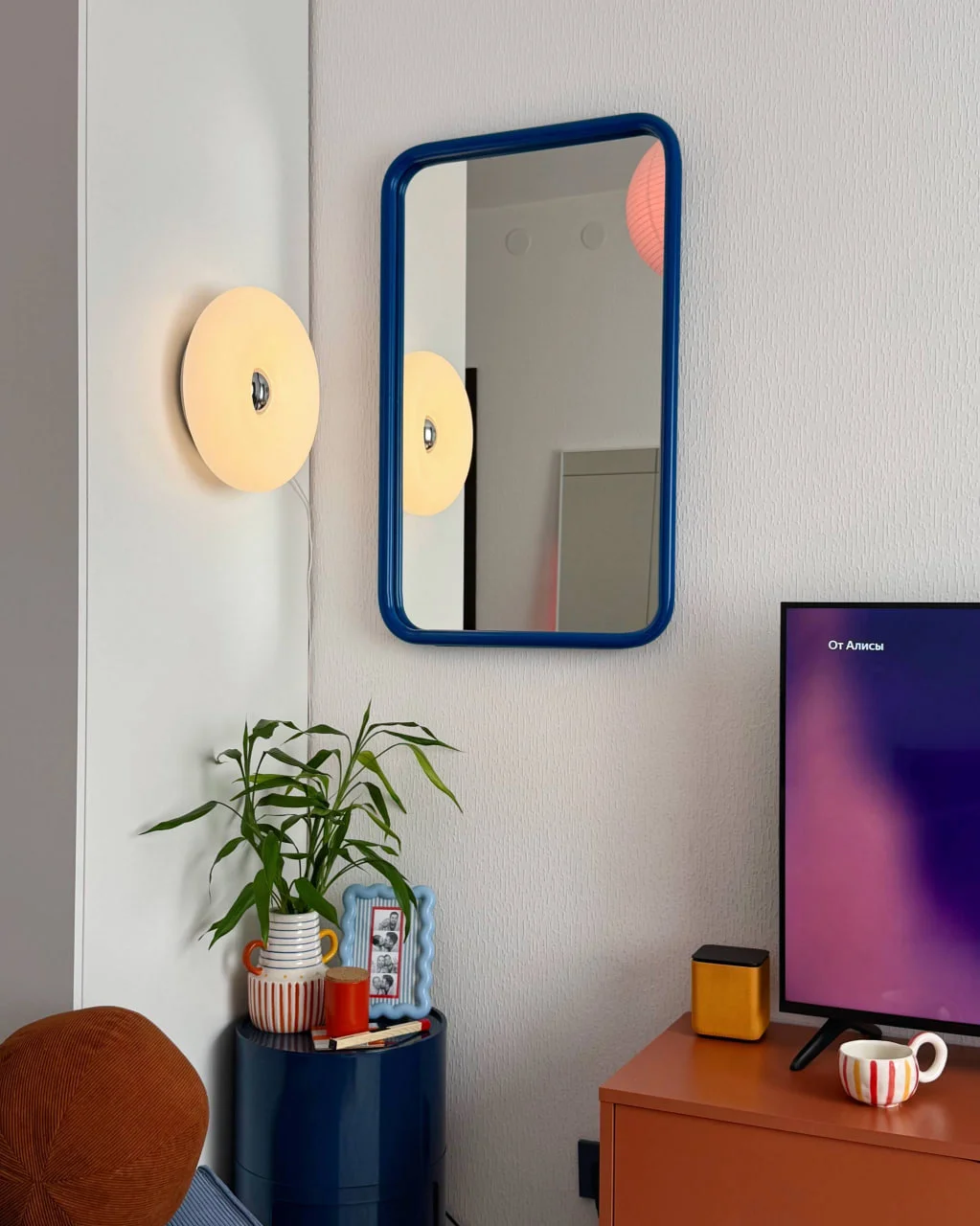
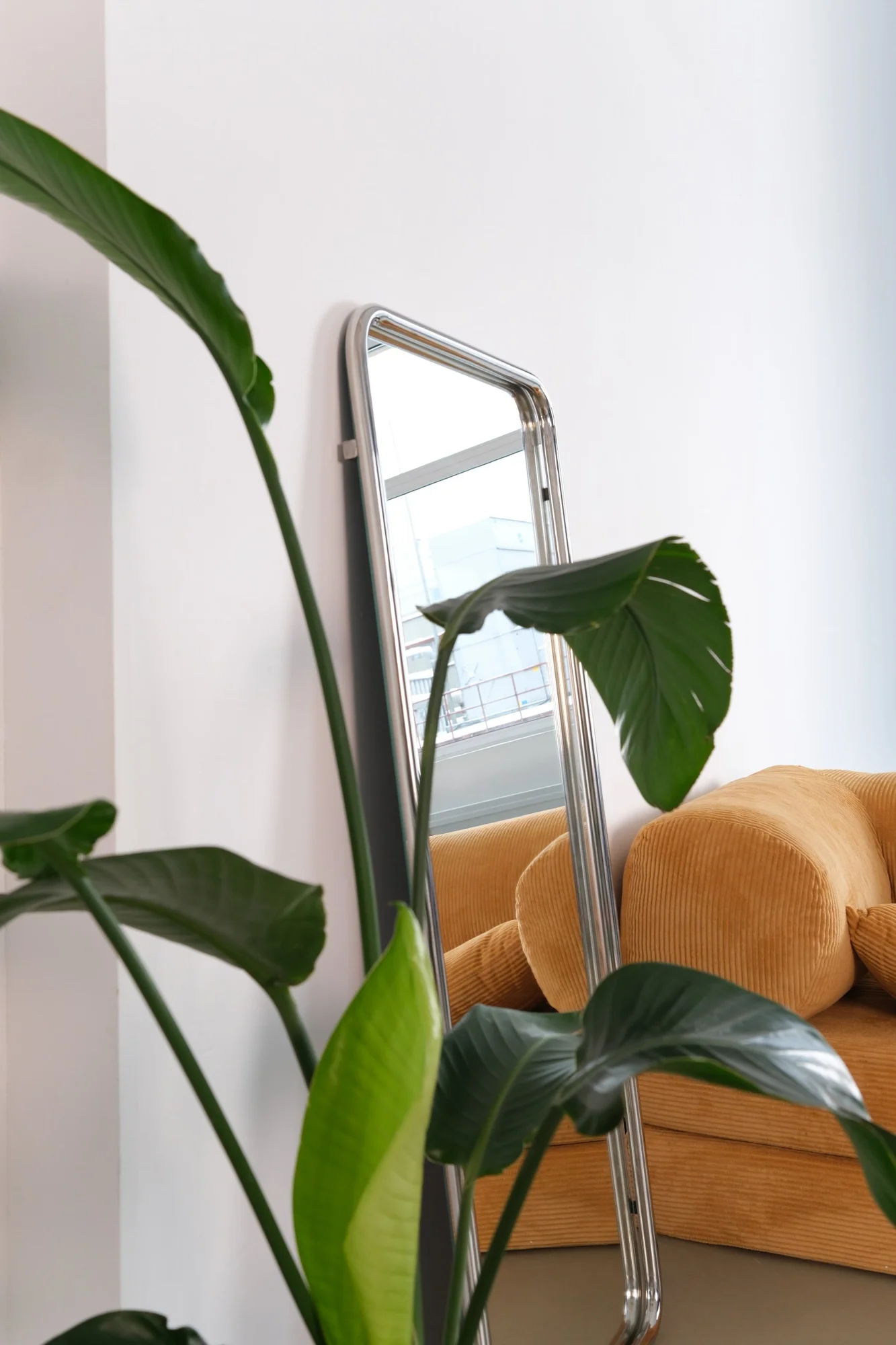
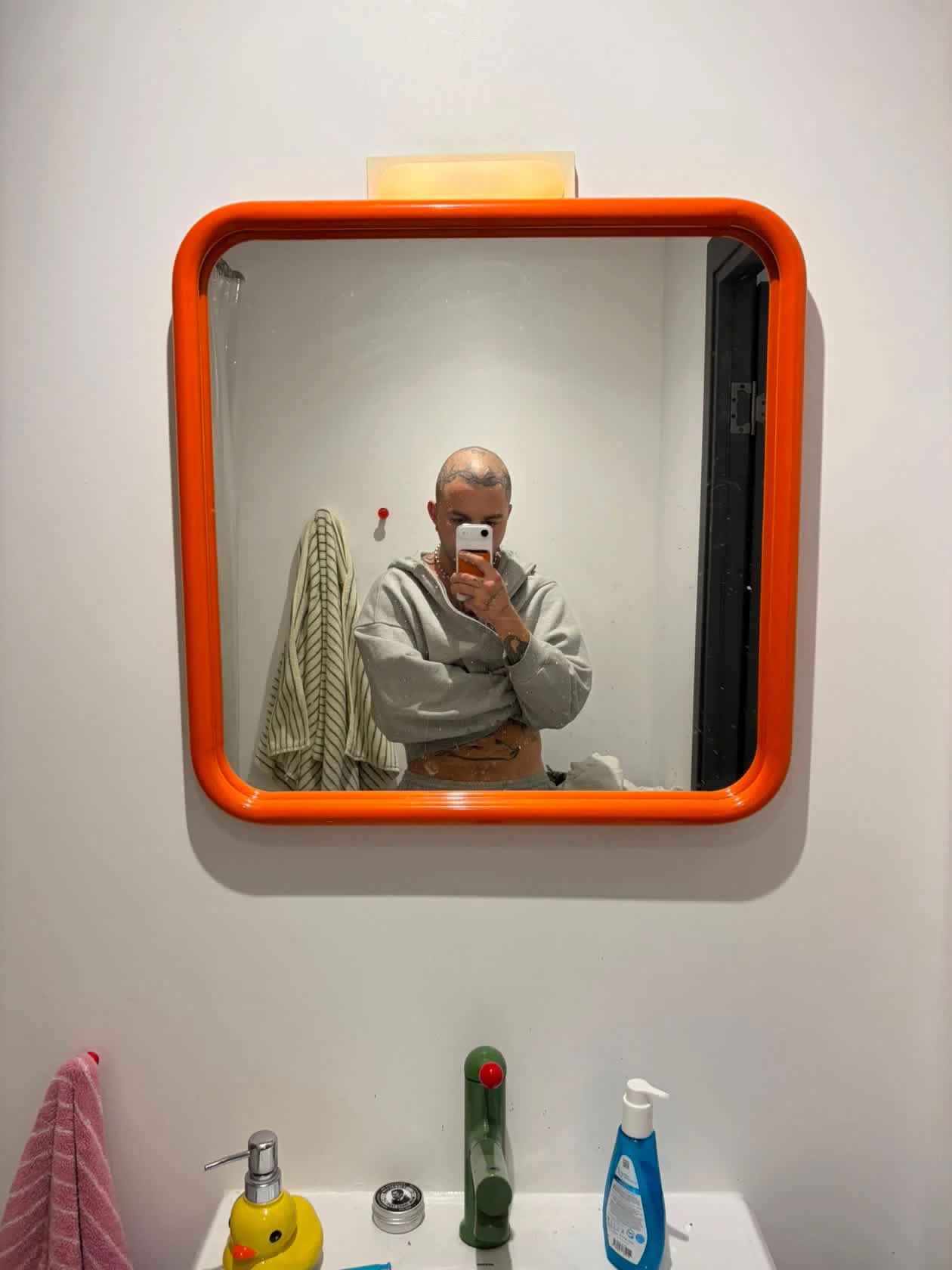
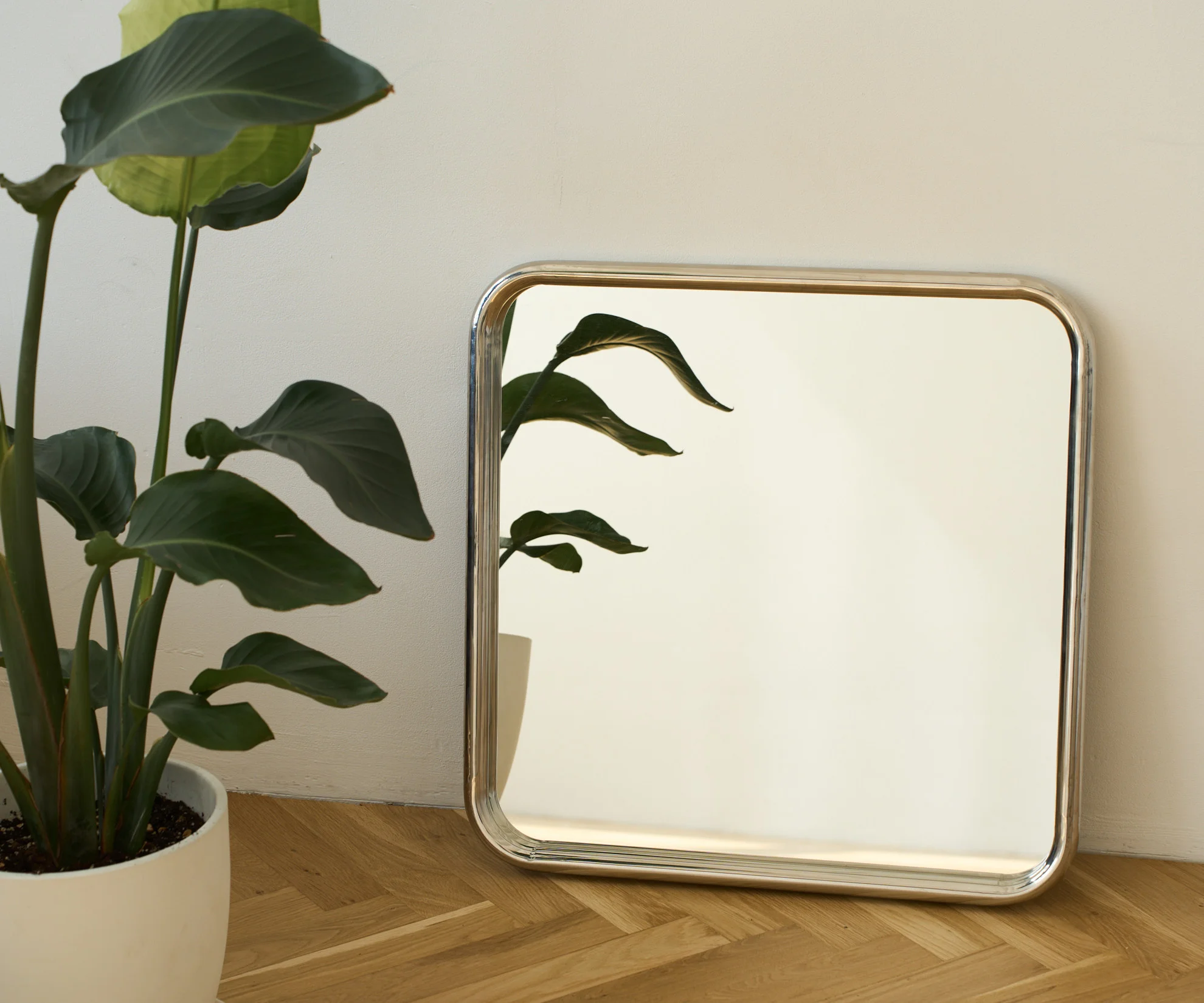
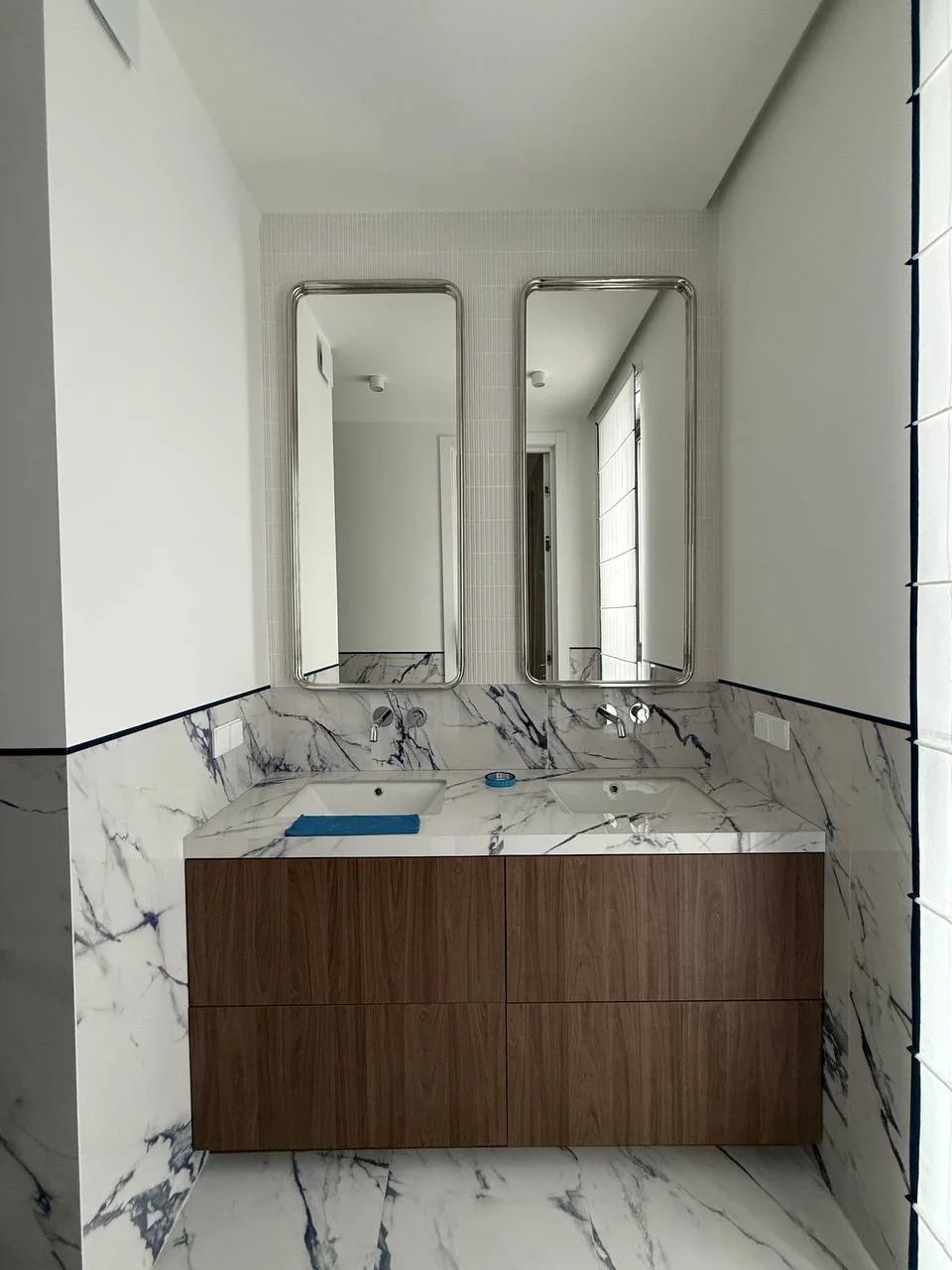
My most successful product at Tray. The shape nods to 70s bent chrome-tube furniture: rounded corners, a 3 cm frame, and you can hang it or just lean it against the wall. At first I looked for a ready-made manufacturer in China, but we ended up nailing the process with a Russian contractor: chrome frames made of polished stainless steel, plus colored frames. Then we expanded the palette — chrome, orange, red, green, and blue — and the size range: 60×60, 50×80, and a big 140×60. The mirrors became a bestseller, and that led to Tray Customs: mirrors made to the customer's size, priced by a formula in the admin panel.
Shelving
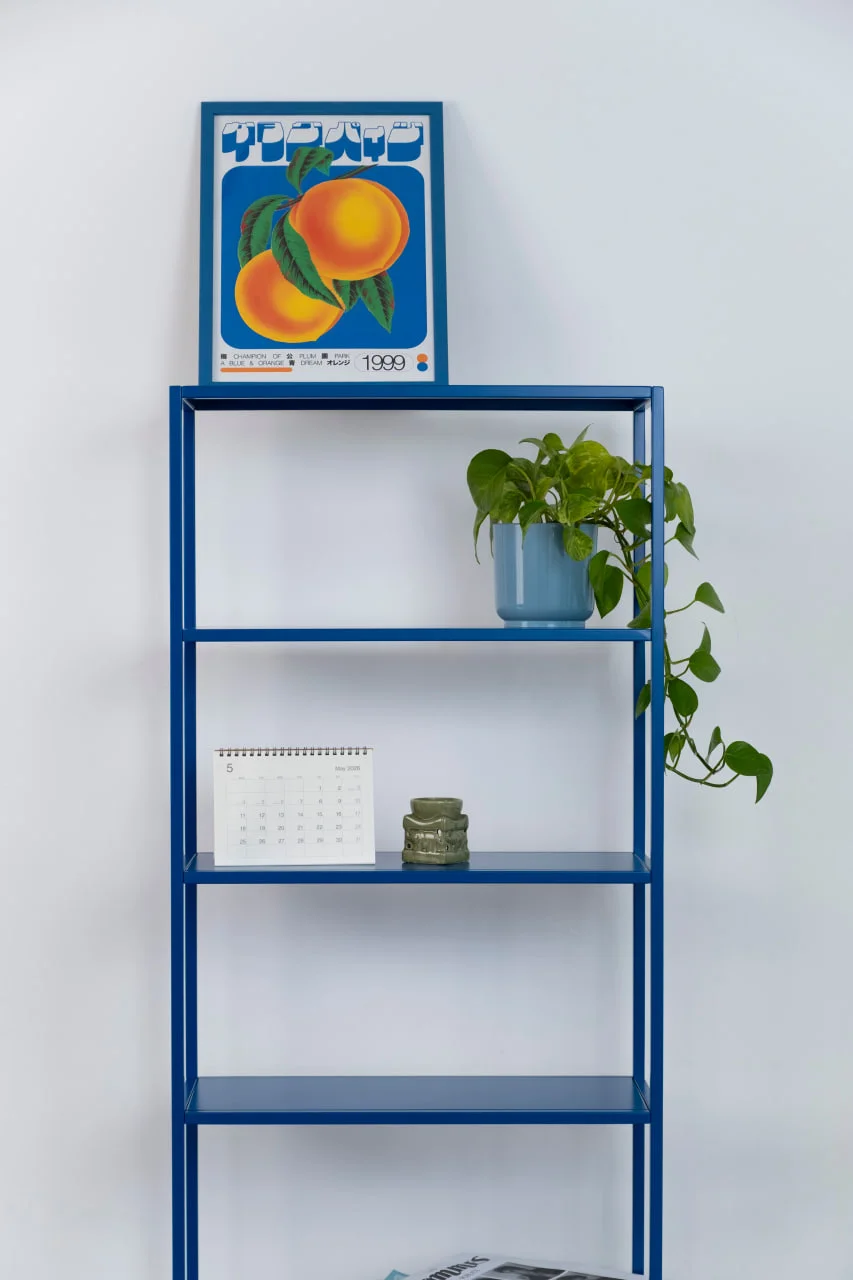
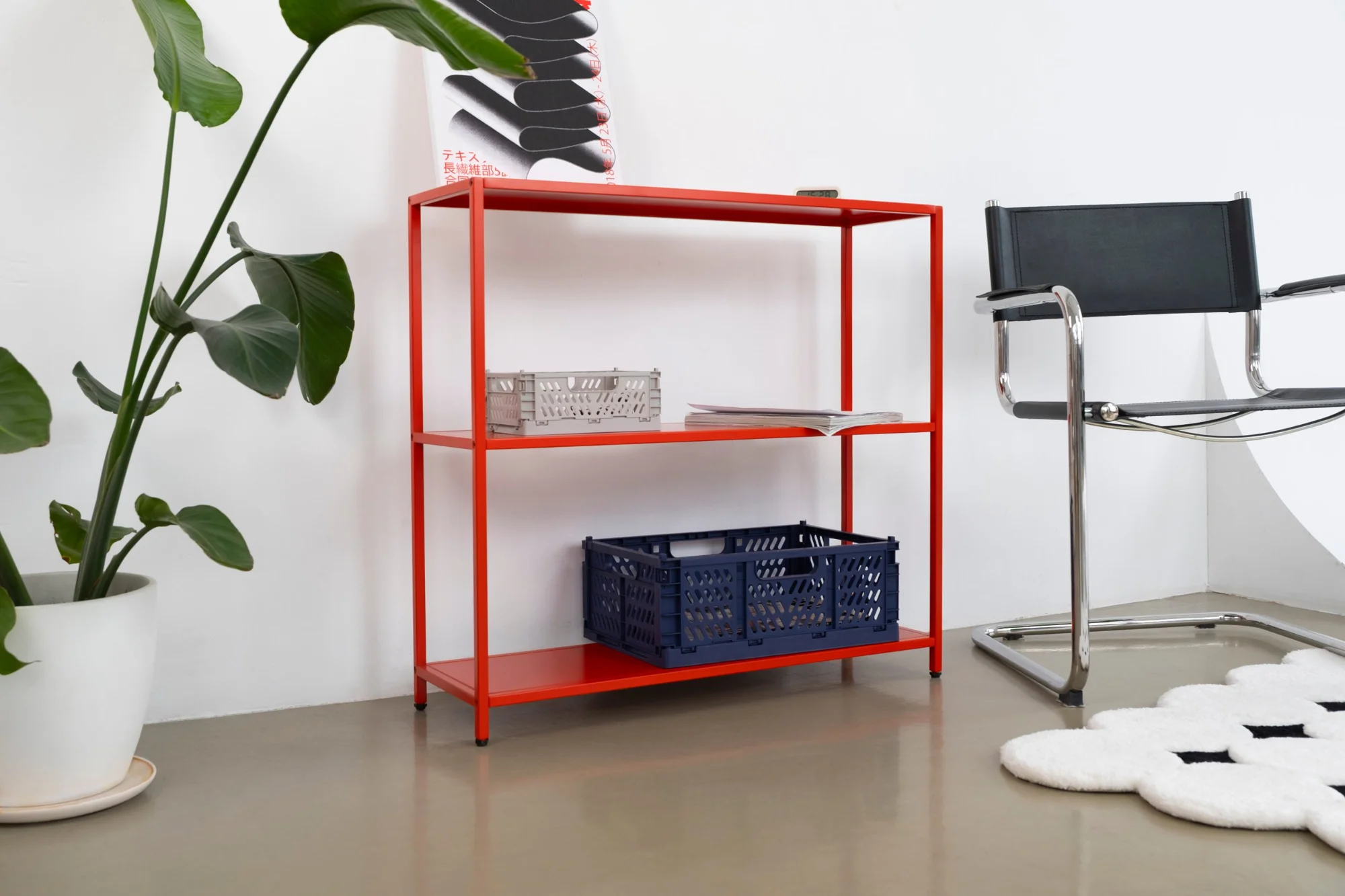
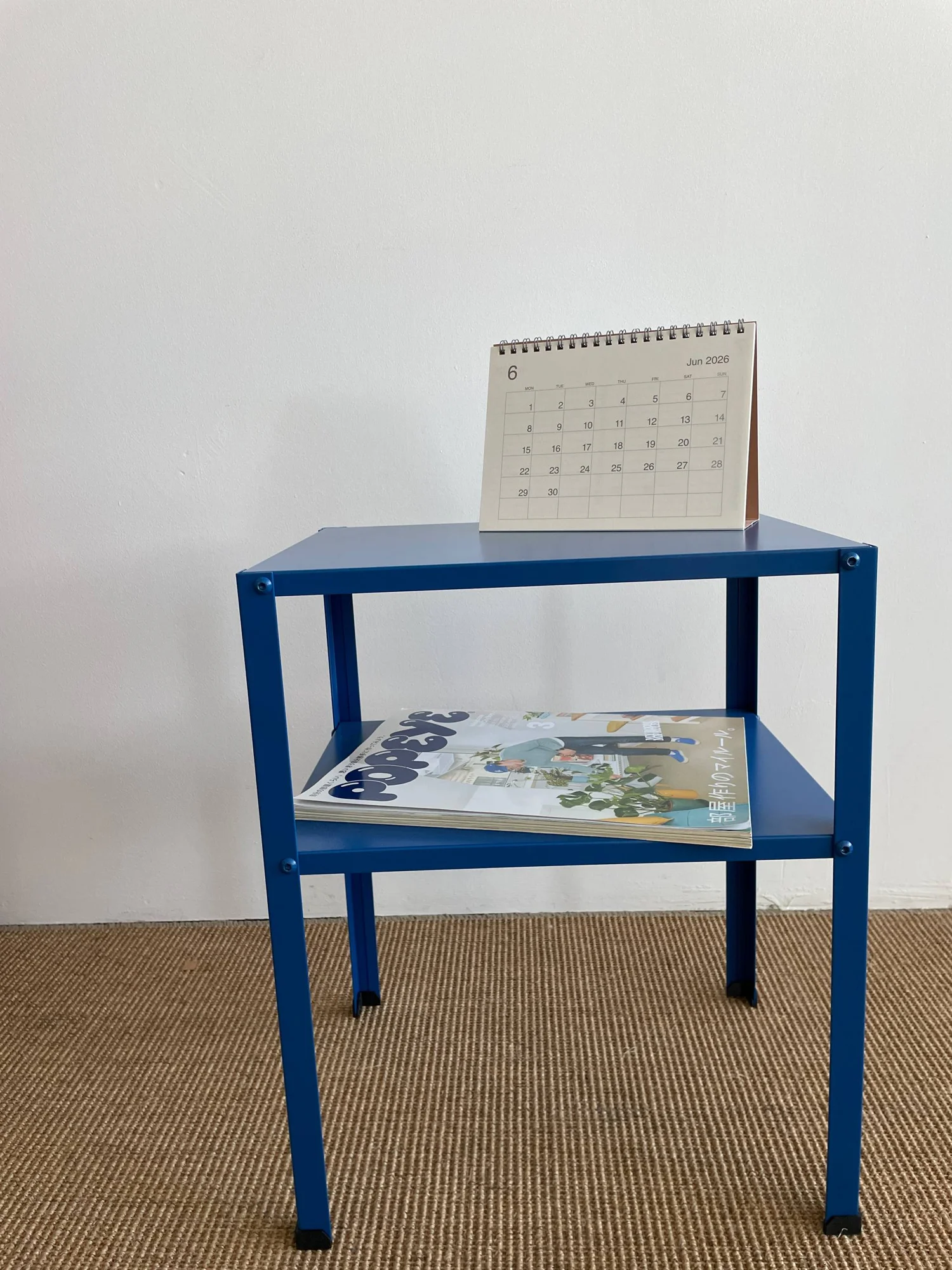
Homnay's second line after the mirrors. A simple metal frame and a color that works as an accent in the room. We made them with the same Russian contractor as the mirrors, so the new product slotted right into production that was already dialed in.
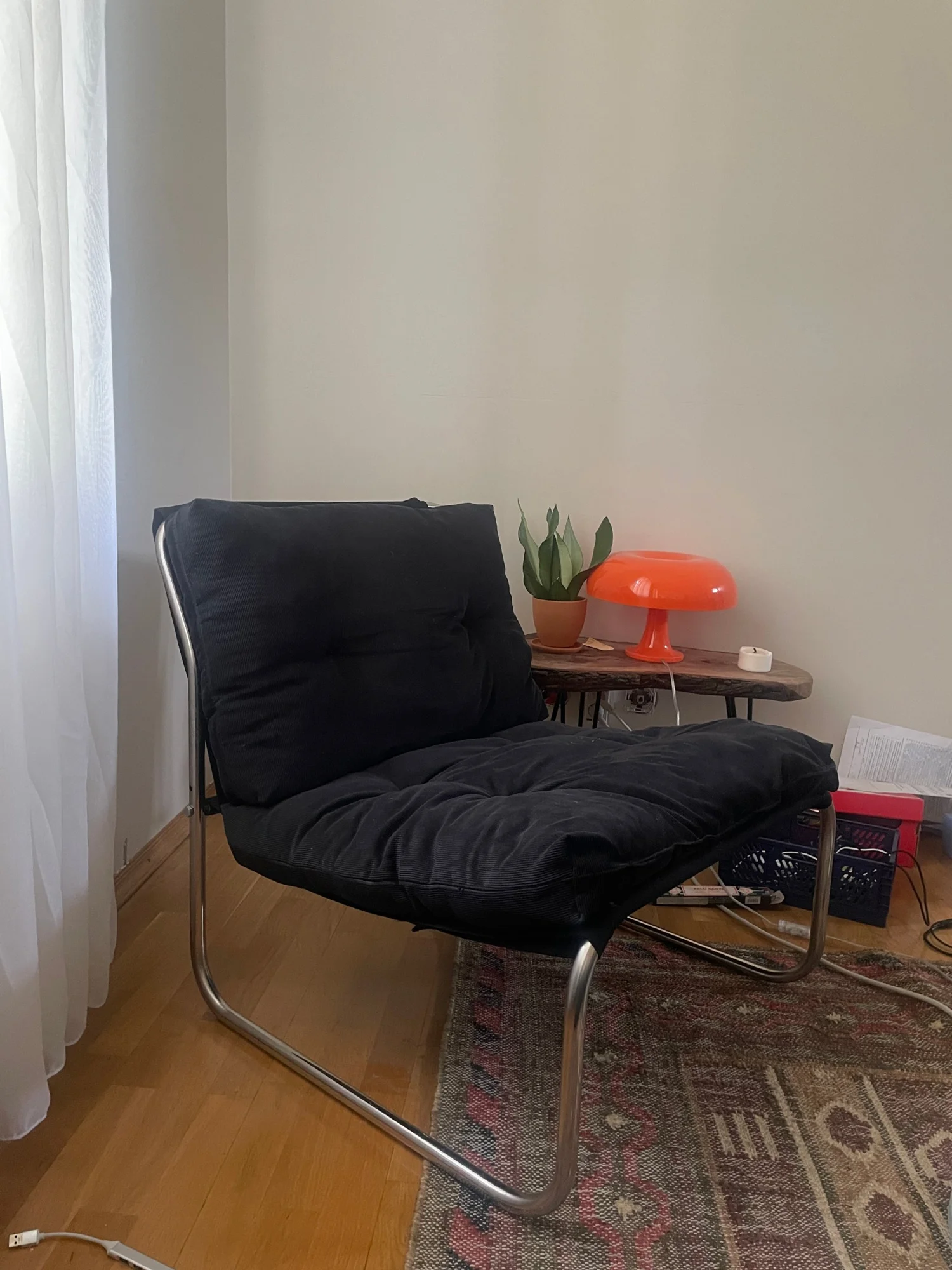
Lounge chair
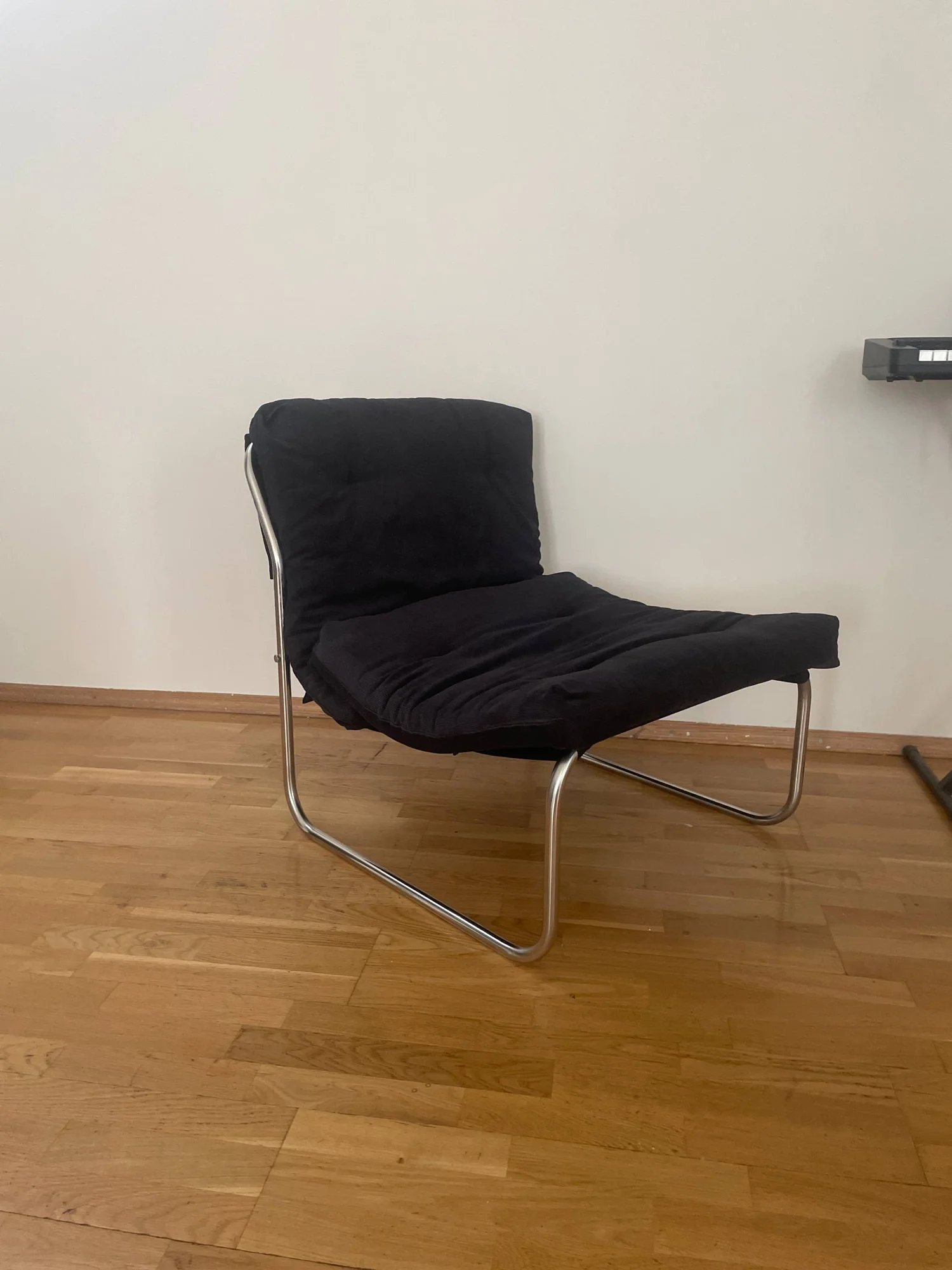
A lounge chair prototype. I was inspired by Italian 70s furniture but didn't want to copy an existing model, so I came up with the frame silhouette myself: a low sled base of bent tube and a reclined back. The frame uses the same chrome-tube process as the mirrors, and having that production already dialed in let us get a sample fast.
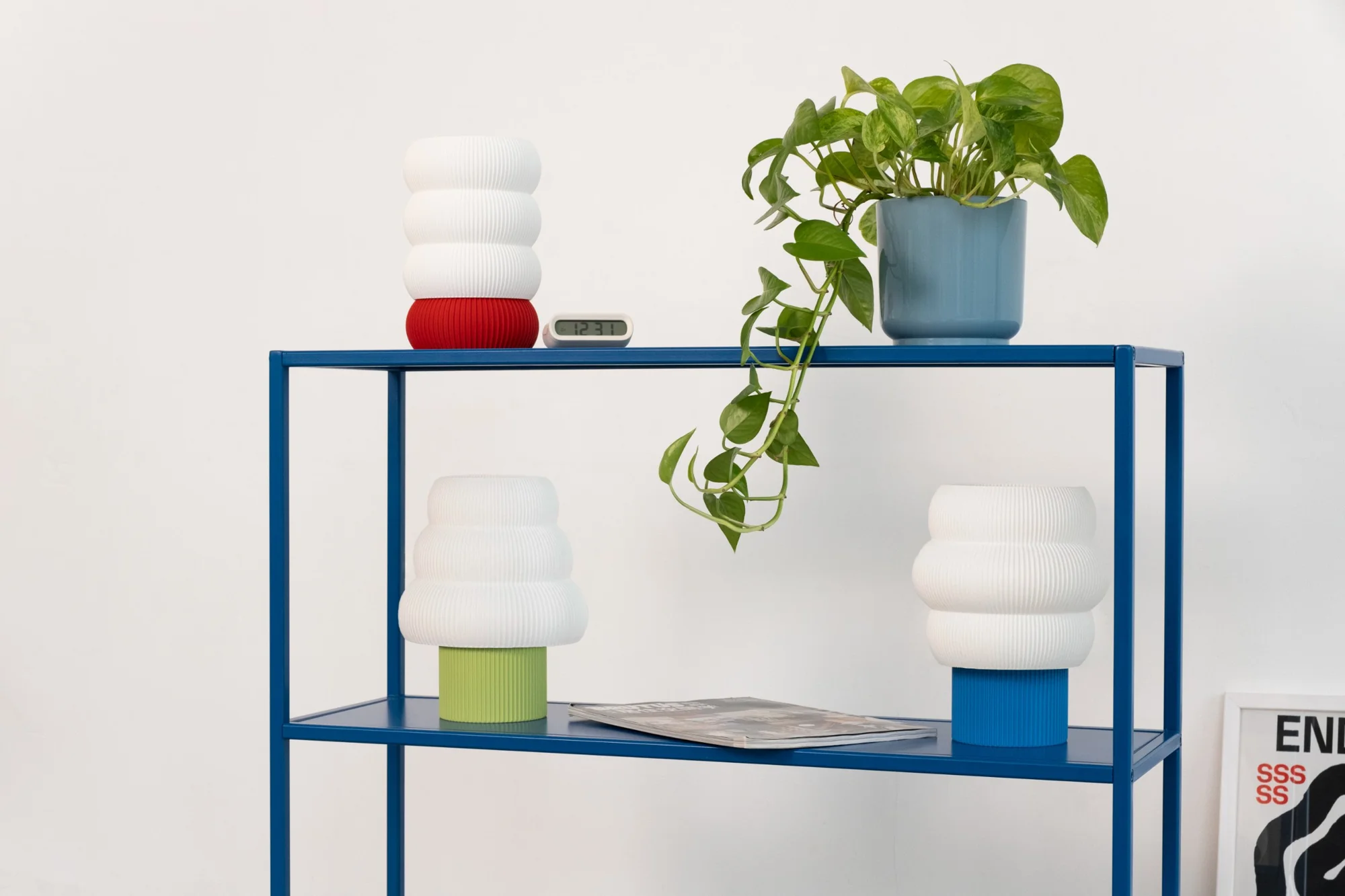
KUMO lamps
For the lighting line, I bought a 3D printer and figured out printing myself. The designs are by Flowlastic Studio, and we printed them under license from the KUMO brand. Bases and shades across the series are interchangeable, so a handful of parts turns into lots of shape and color combos.
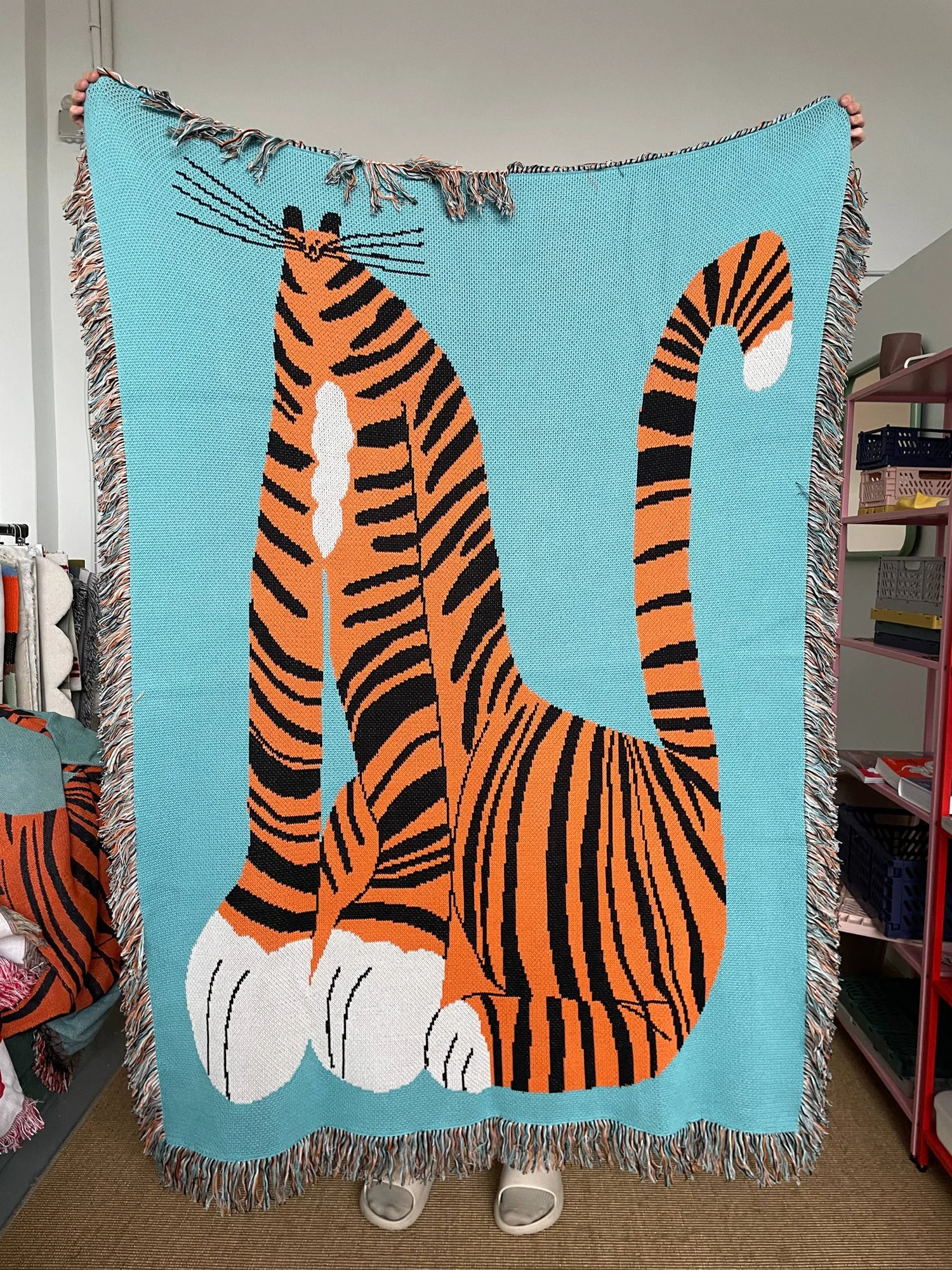
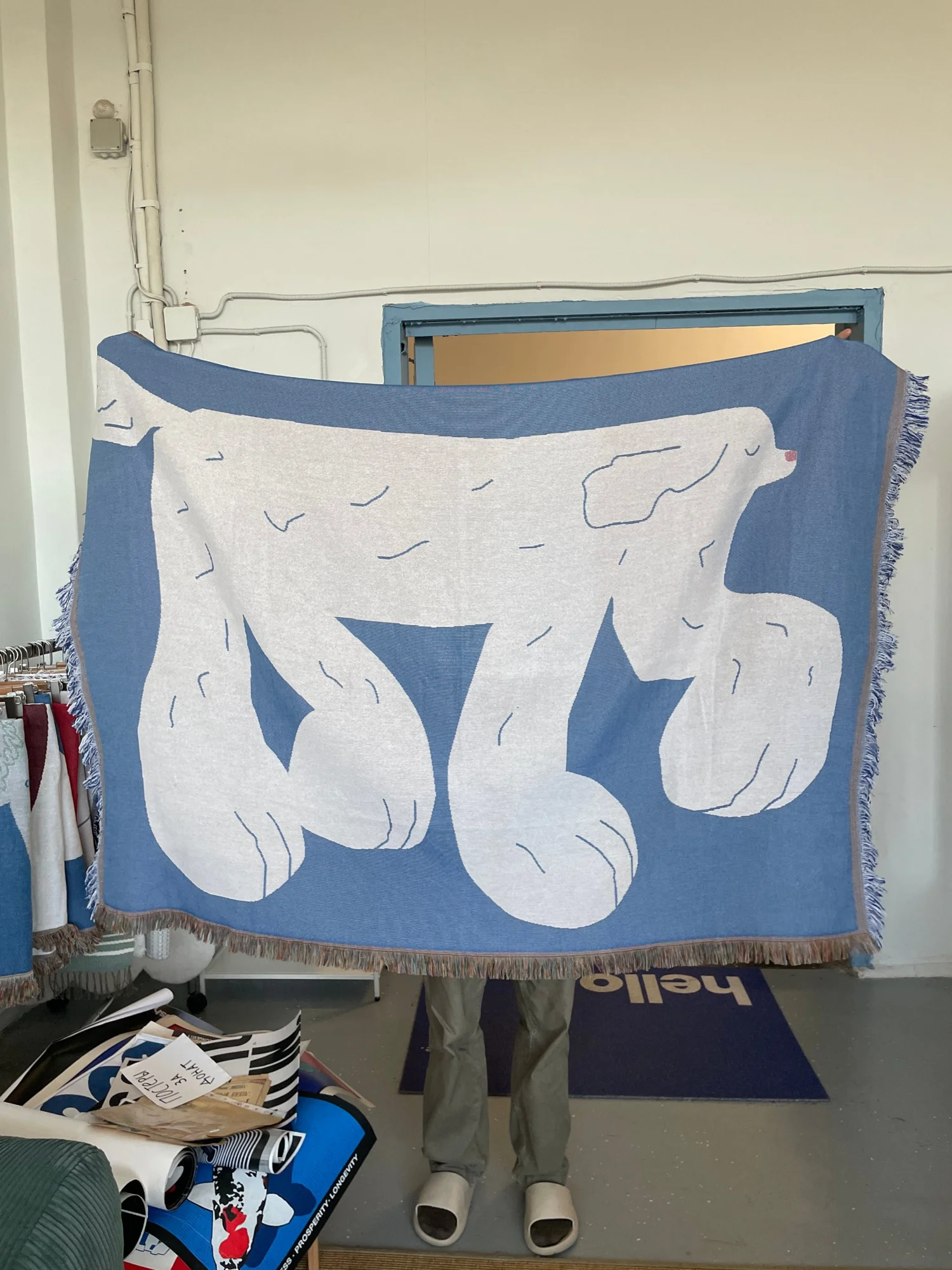
Throws
Woven fringed throws with prints by an illustrator. We tried manufacturing options in both China and Russia. The tiger throw was made in Russia.
Backpacks
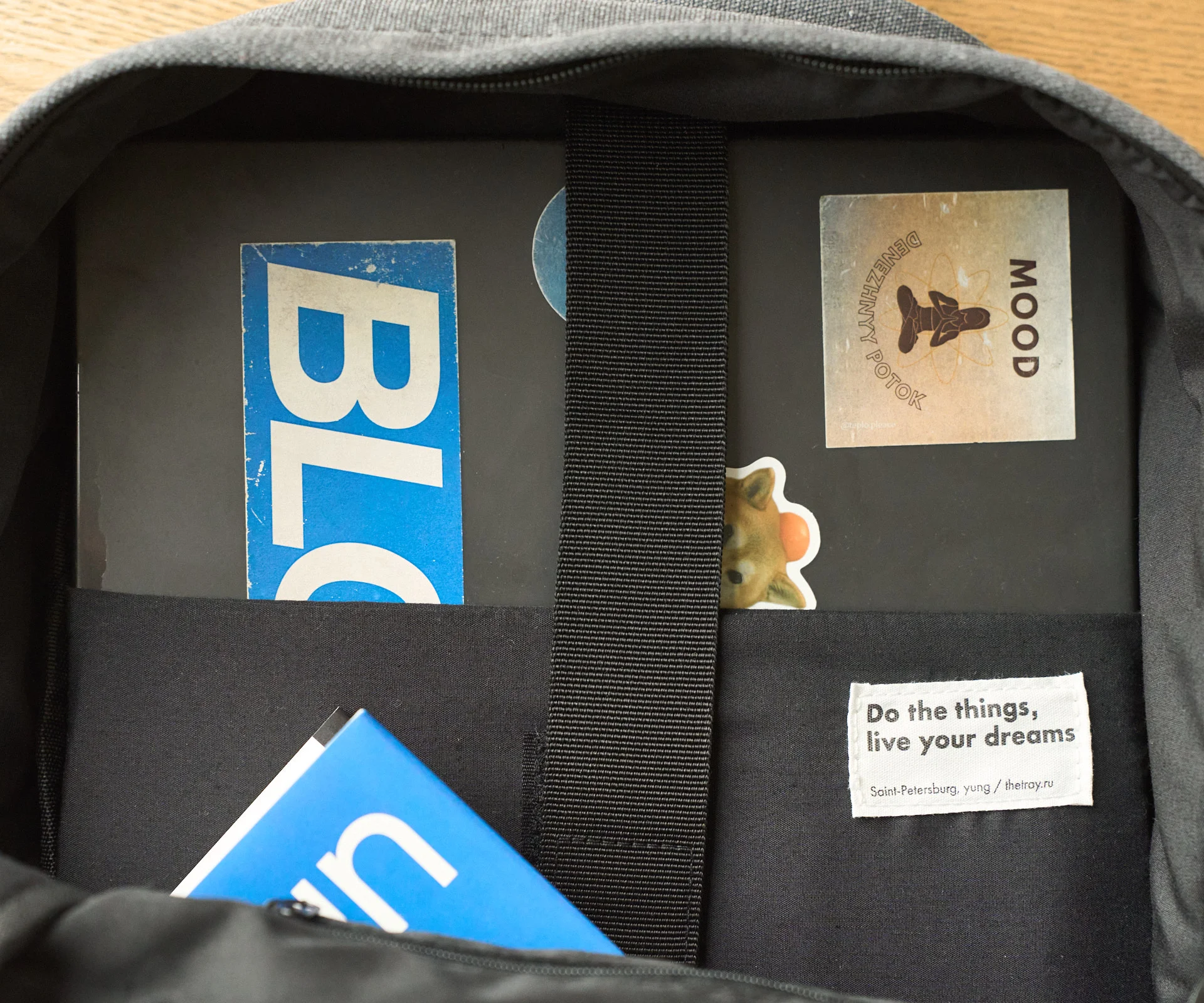
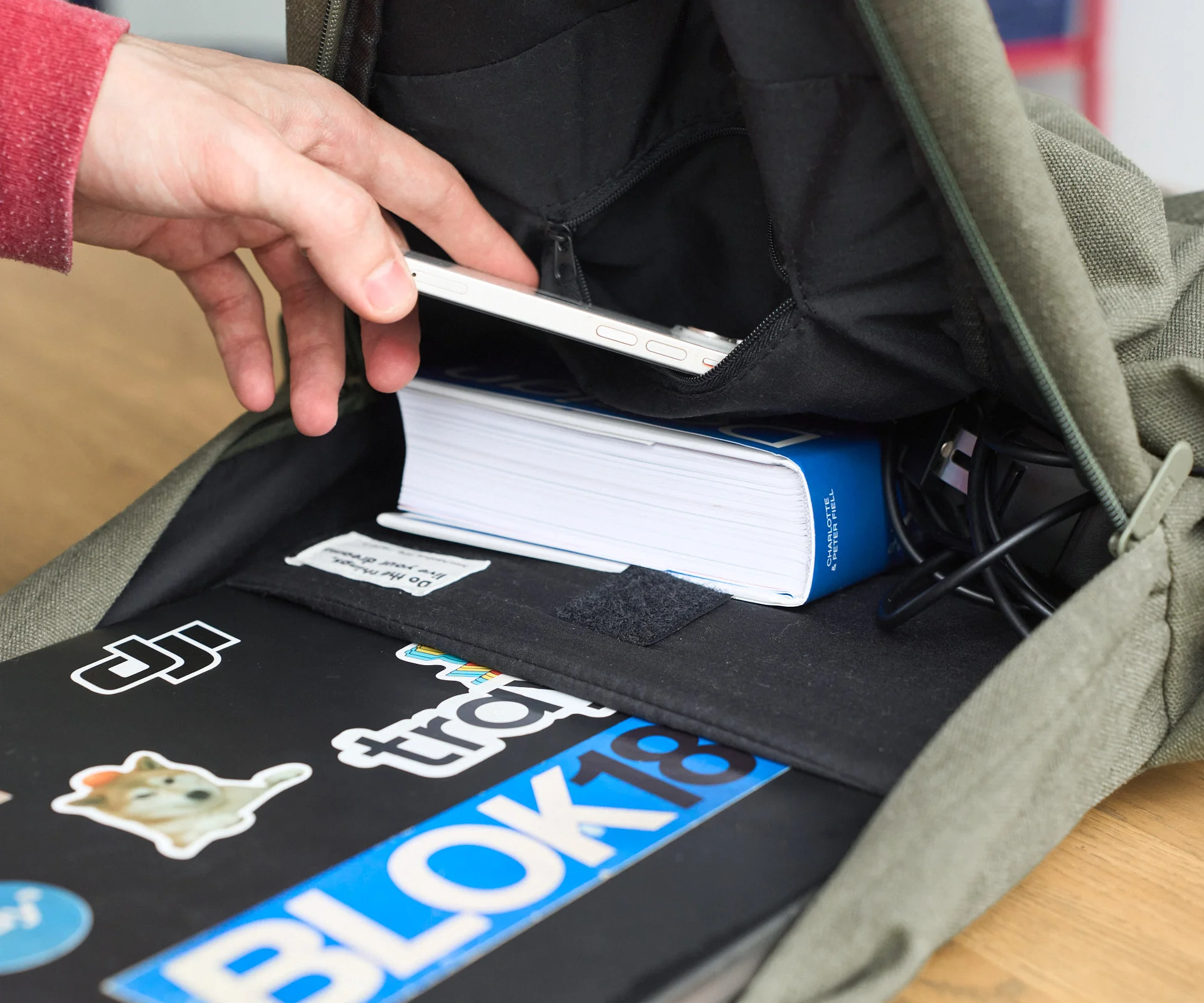
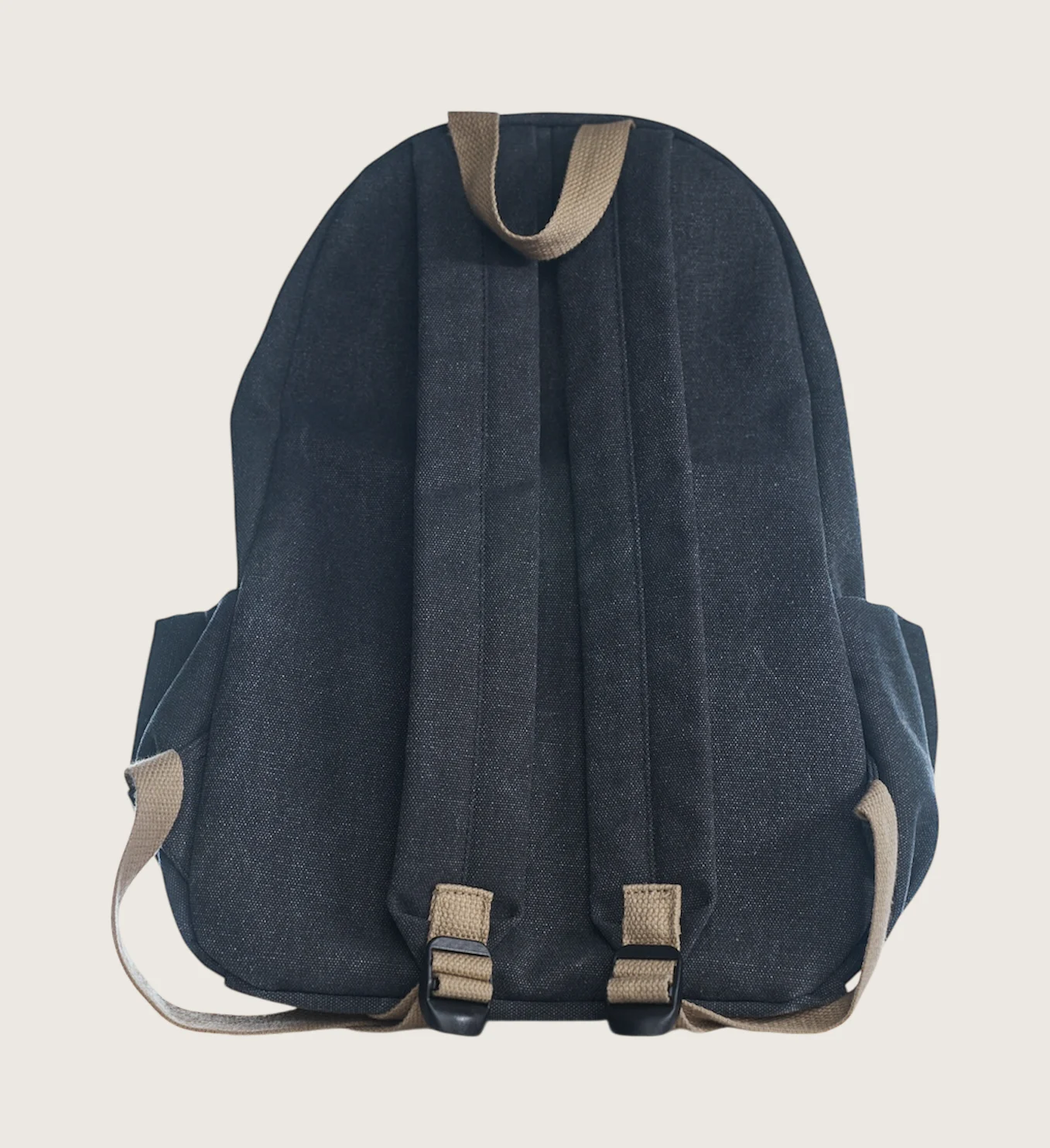
Backpacks were an idea I'd had for a long time. I got a backpack from China with an interesting shape but lousy quality. I kept the shape and reworked the rest: made it bigger, reinforced the straps, added a padded laptop compartment and an inside pocket for documents and small stuff, and swapped polyester for a dense blended canvas.
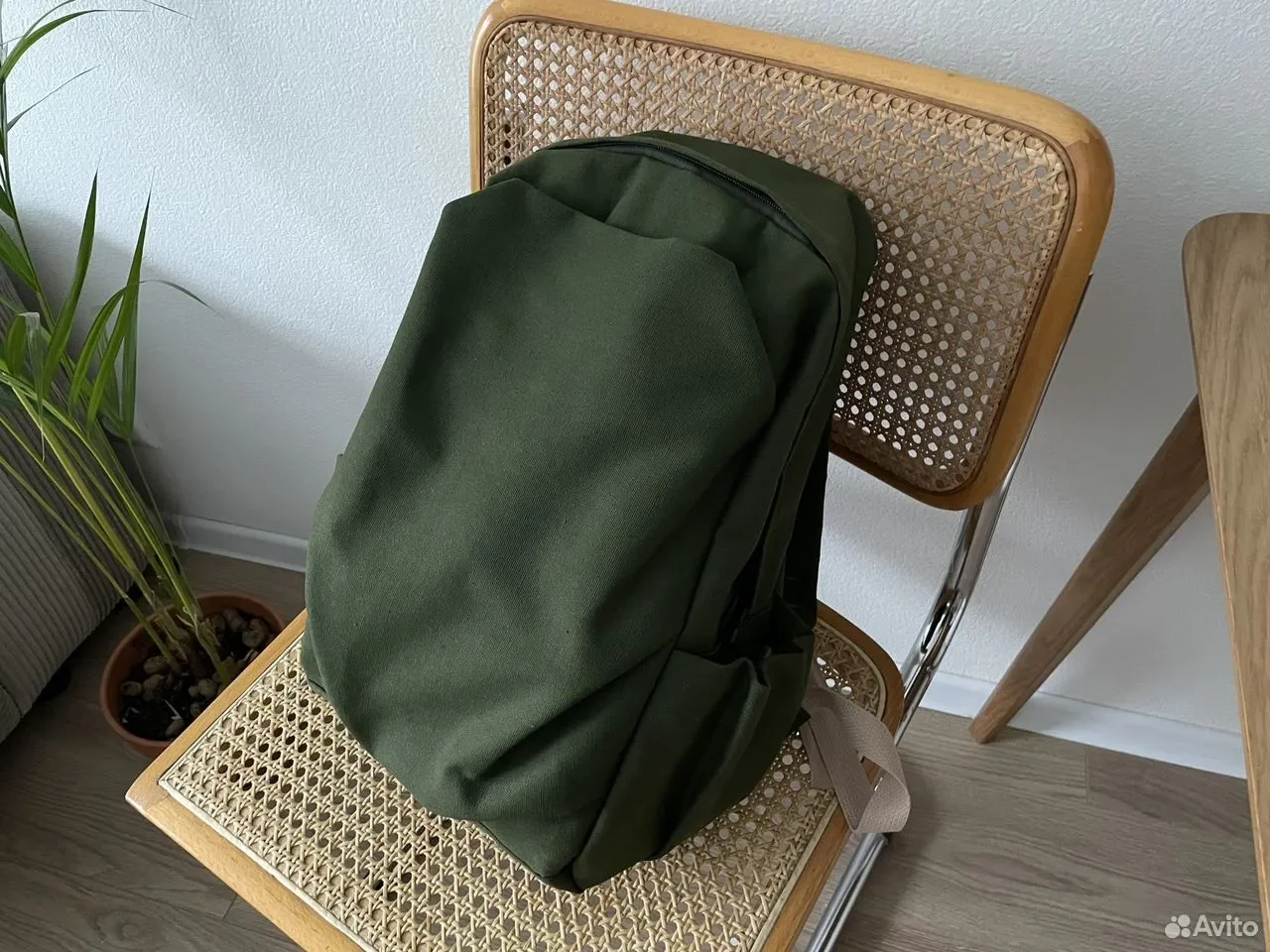
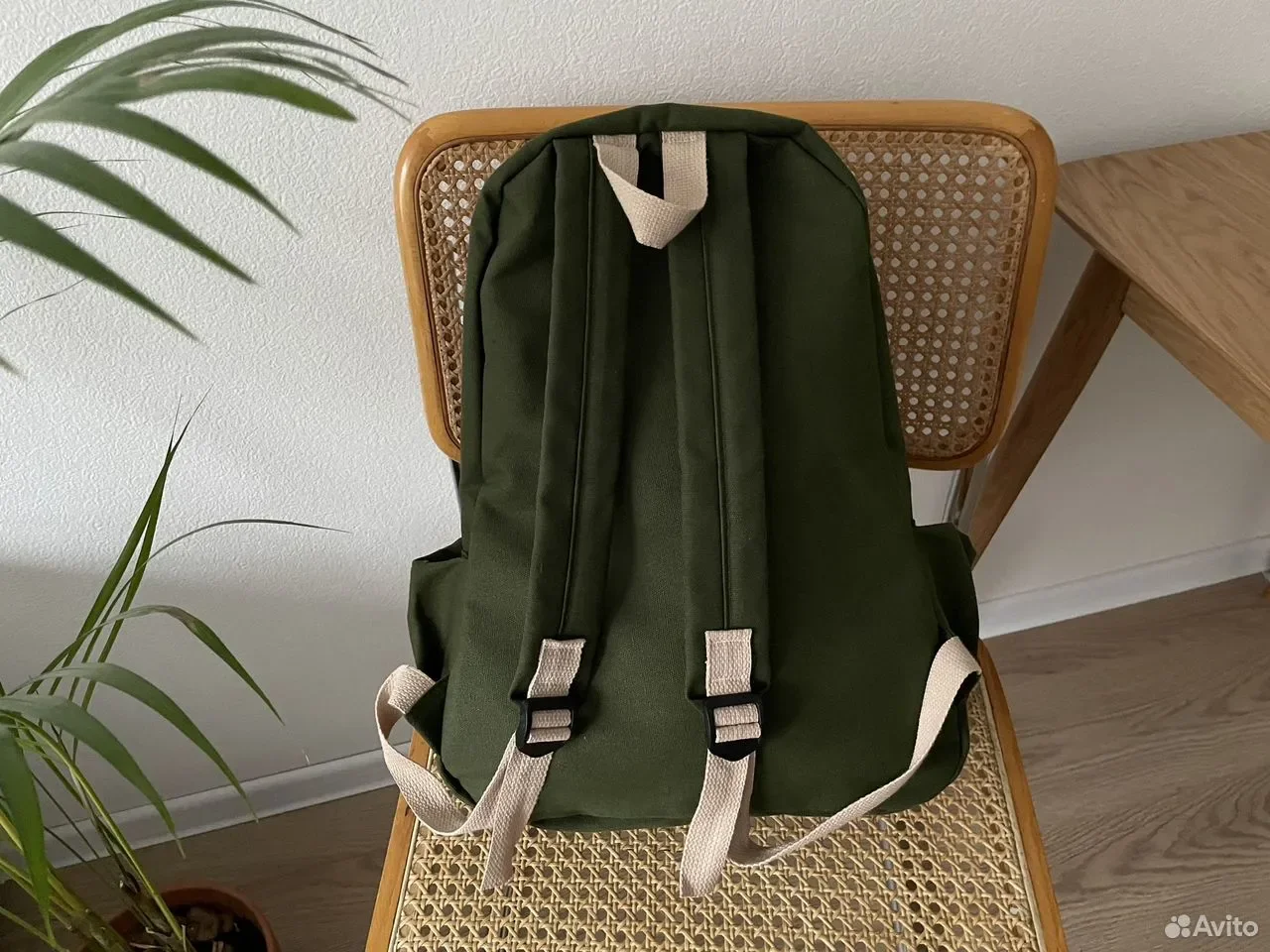
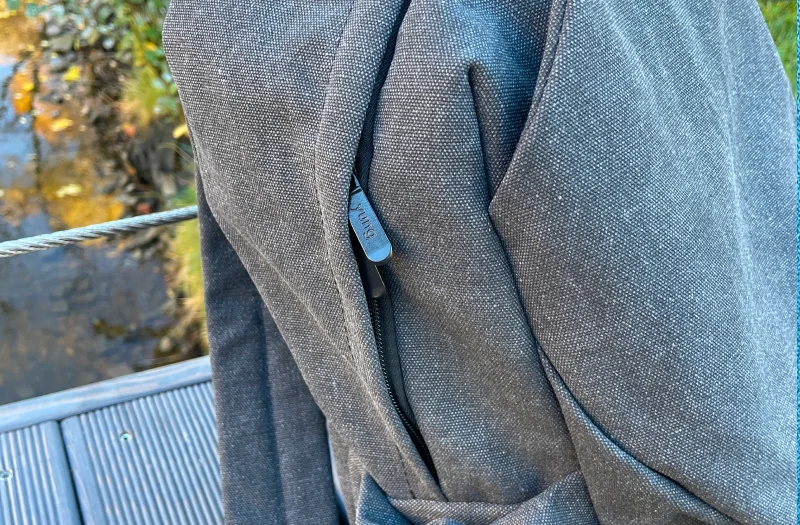
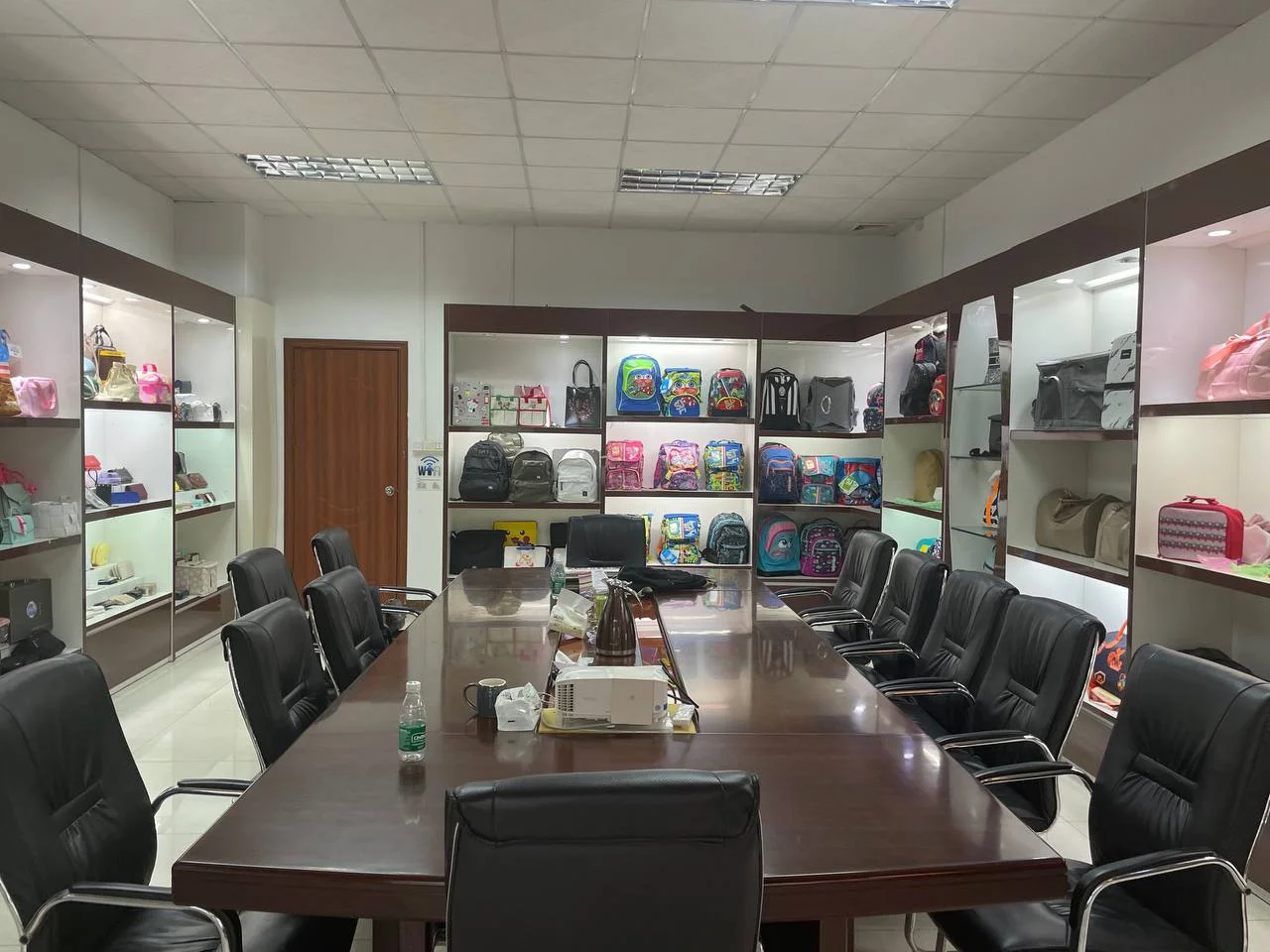
I called the line yung — a nod to Asian aesthetics and to street culture, where the word often shows up in nicknames. I designed our own labels and custom zipper pulls. I looked for a manufacturer in China: went to the Canton Fair and visited one of the factories, but in the end a reasonable price came from a supplier I found at the fair itself. We went through three samples and picked the best one.
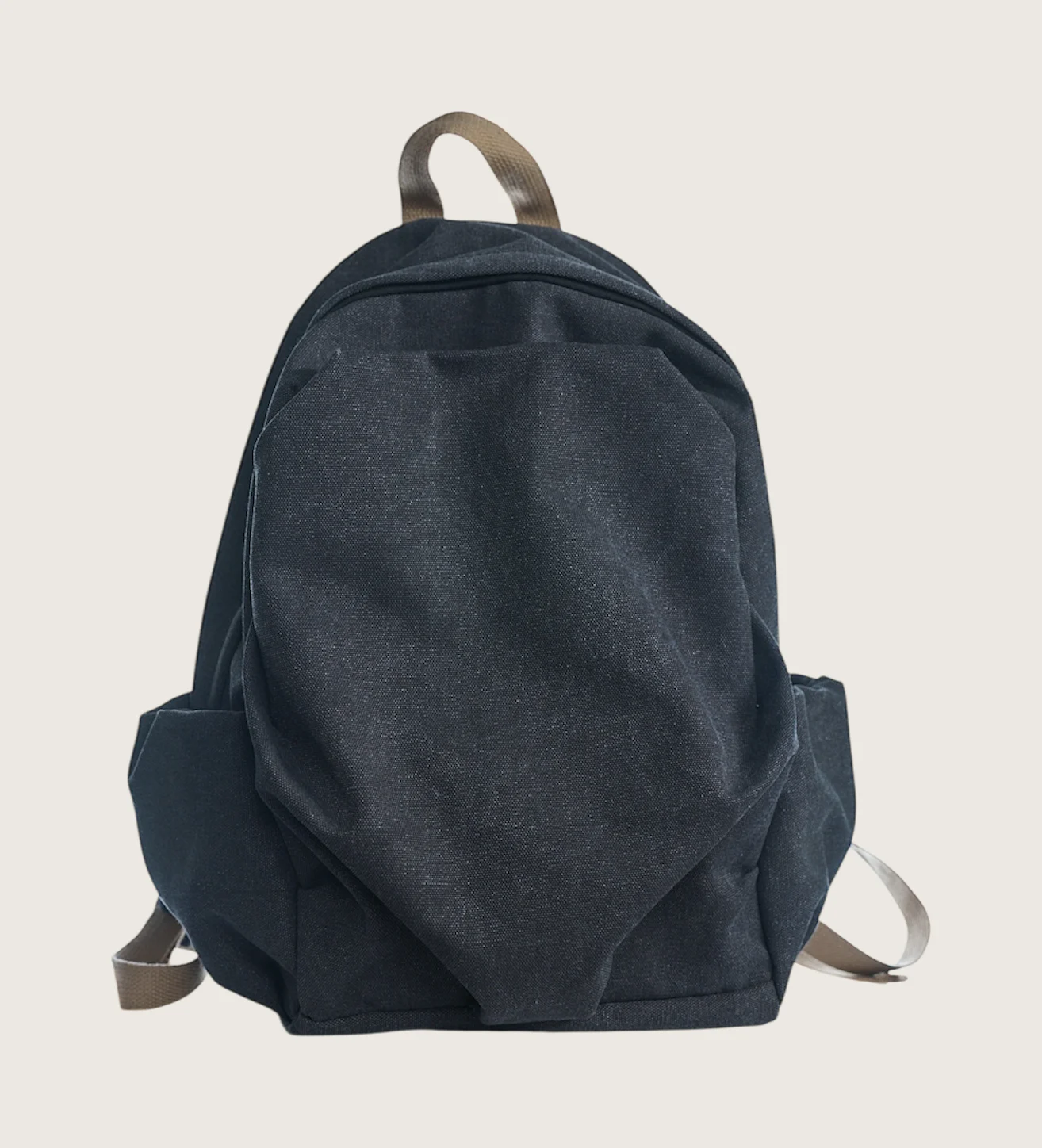
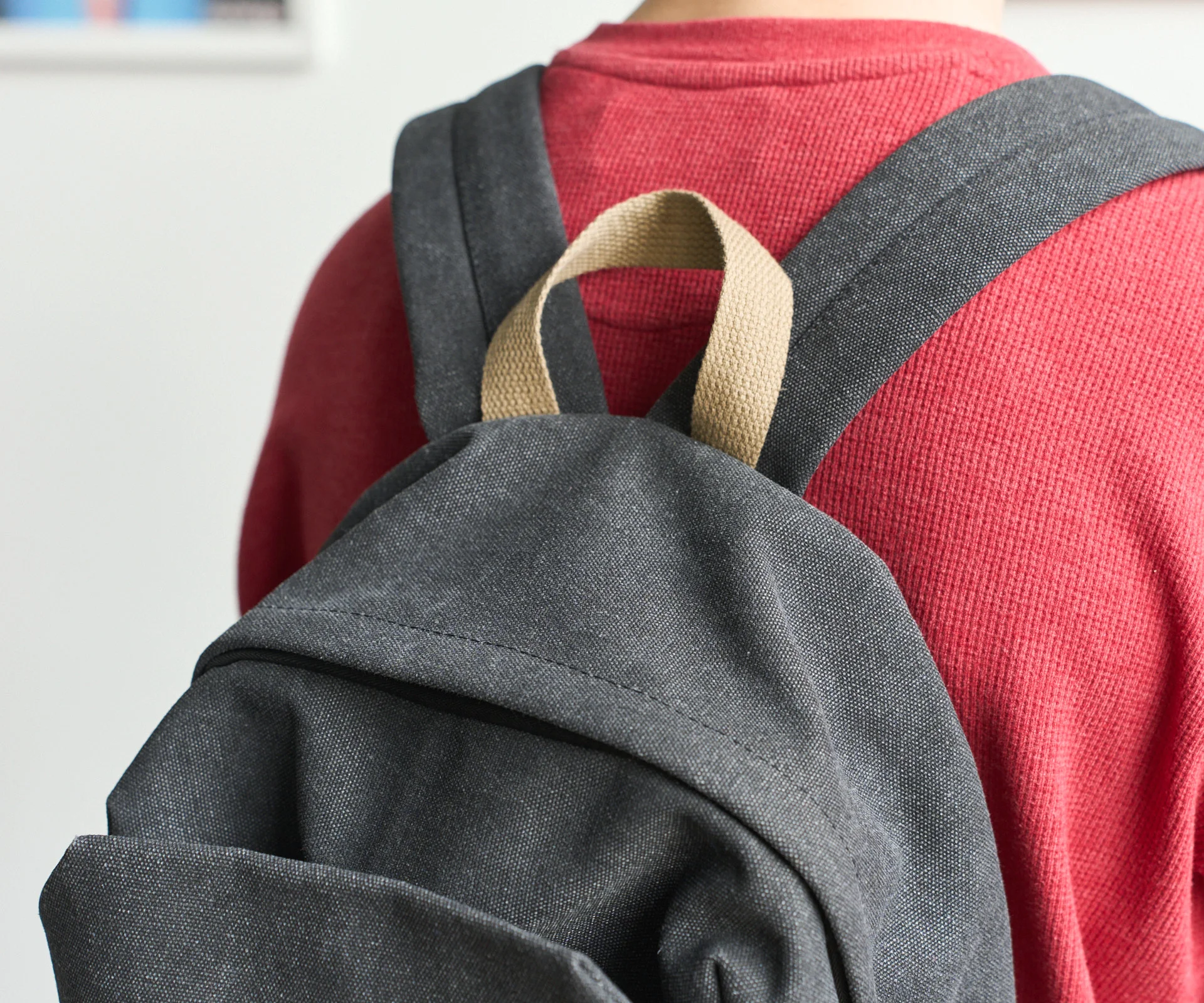
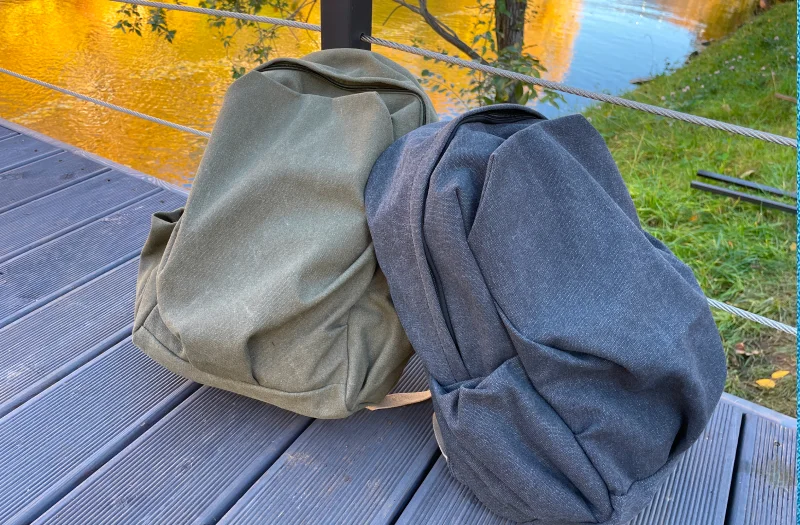
People really liked the backpacks, but I couldn't keep the story going. At the end of 2025, shipping from China ran into trouble, then came operational issues, and backpacks needed attention and advertising. There was nothing left to spread across, so I focused on home goods and Russian manufacturing.
Furniture prototypes
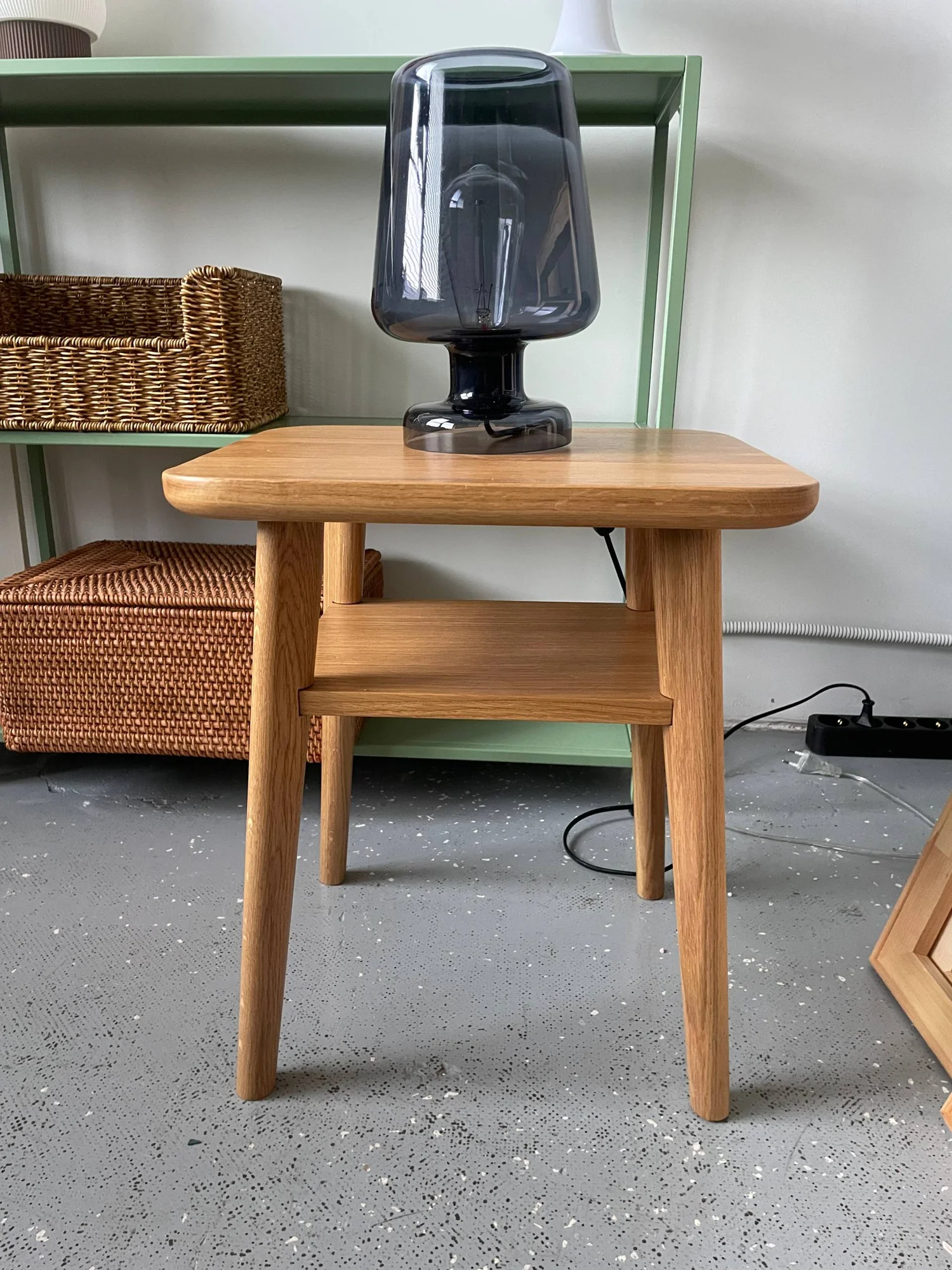
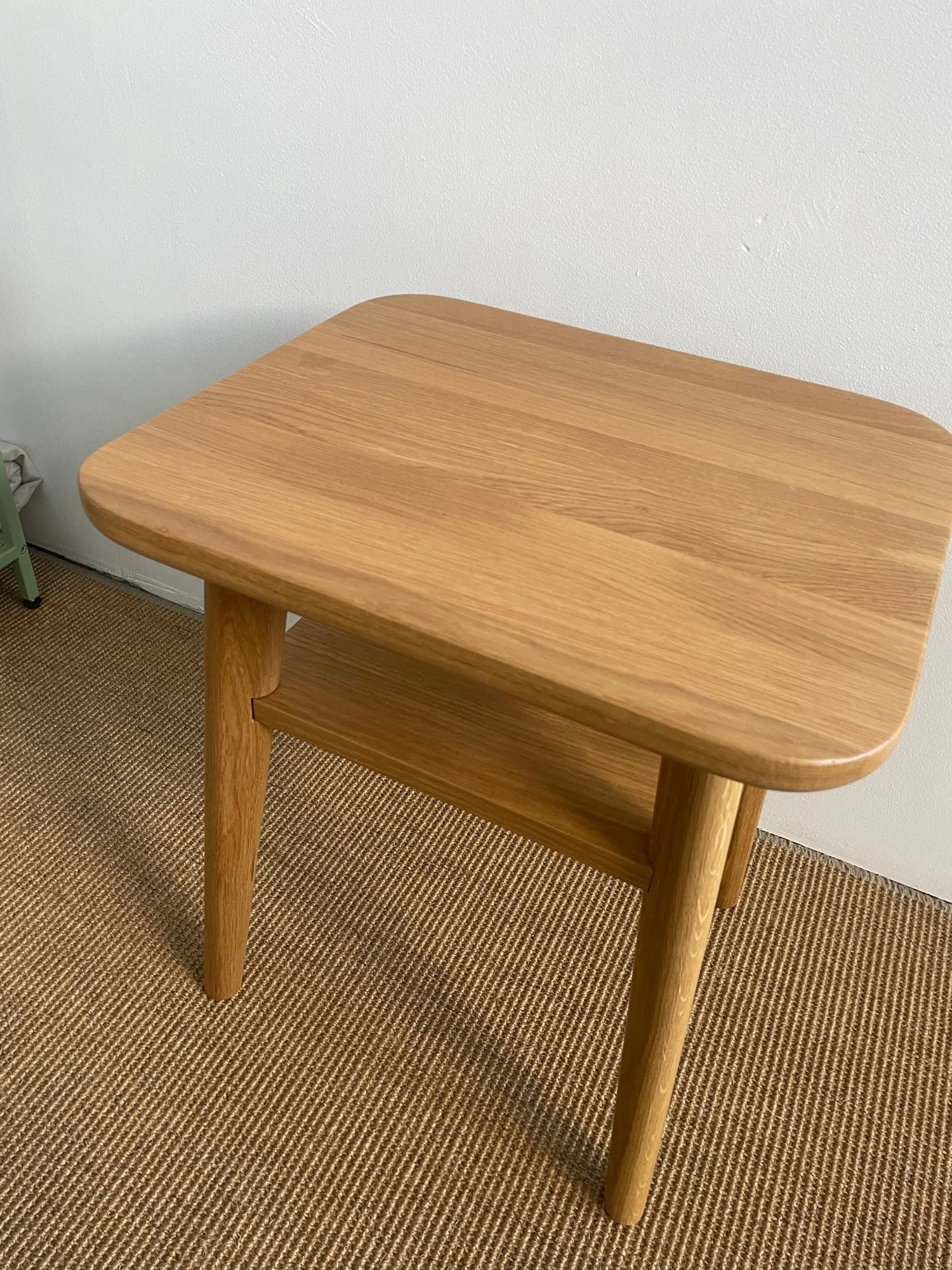
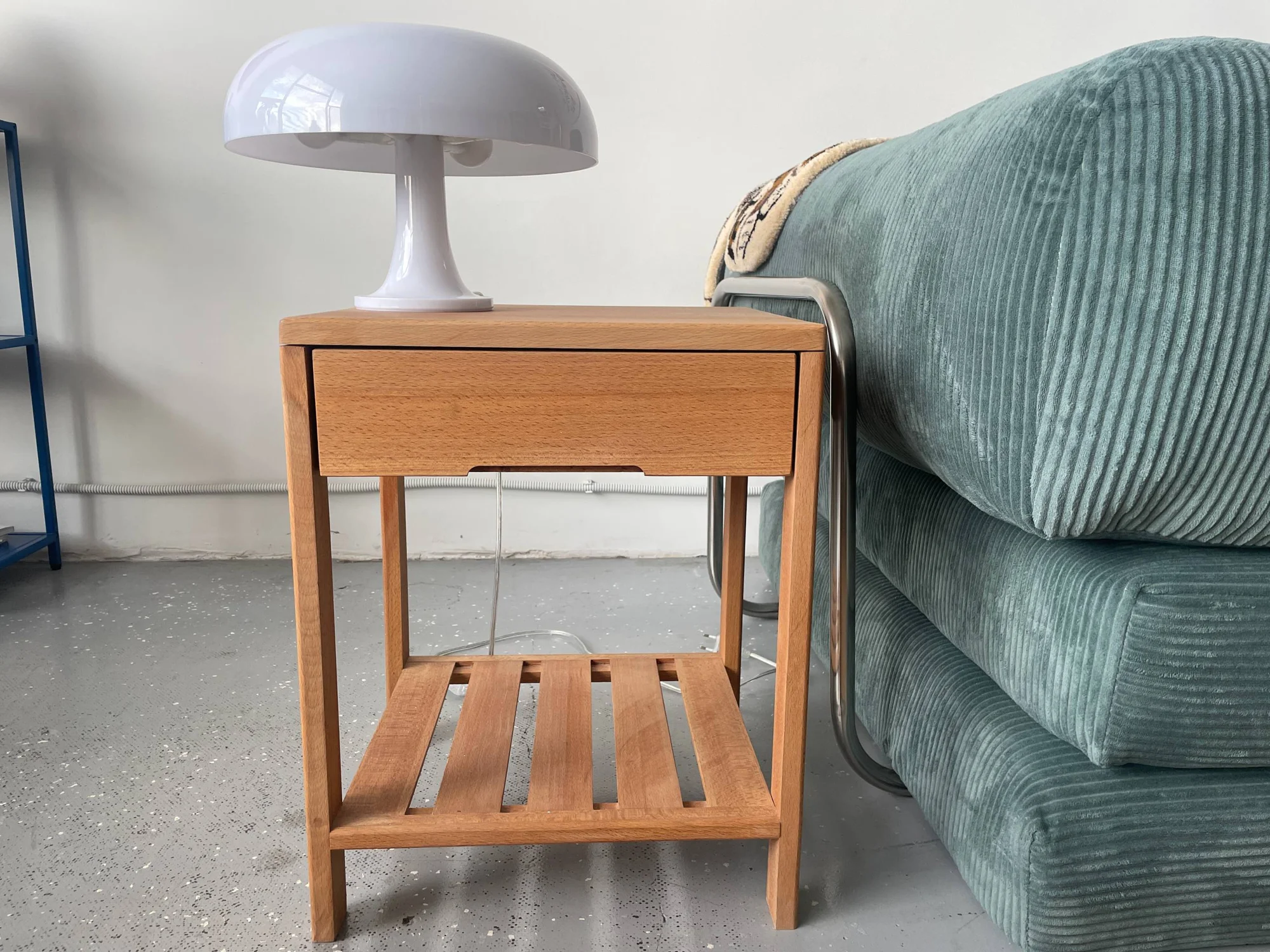
Small pieces I used to test shape and production. For the oak side table, I gathered references and looked for a manufacturer. The blue metal side table is a prototype. The beech nightstand with a drawer is a prototype for UTRO.
Made by hand
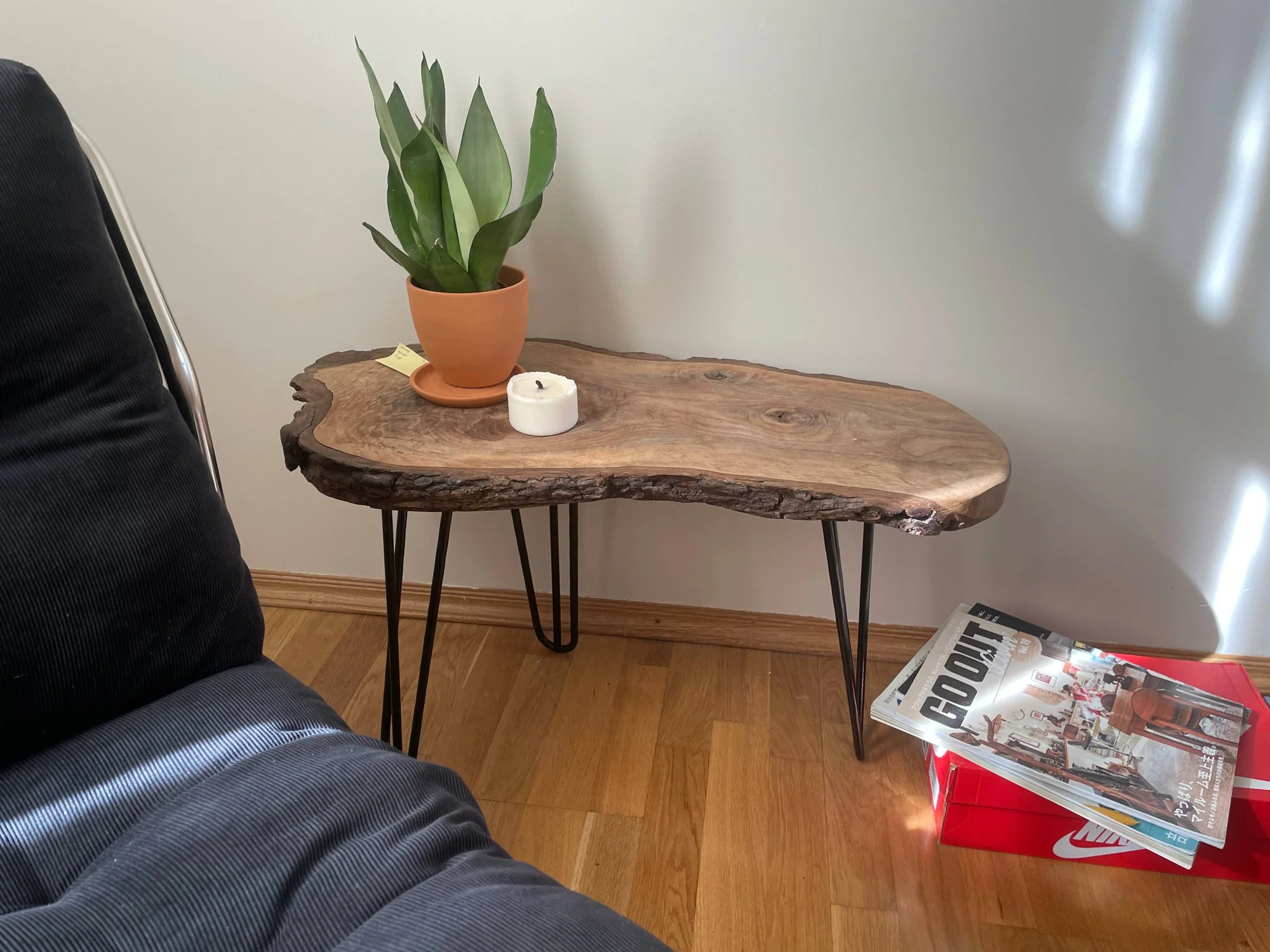
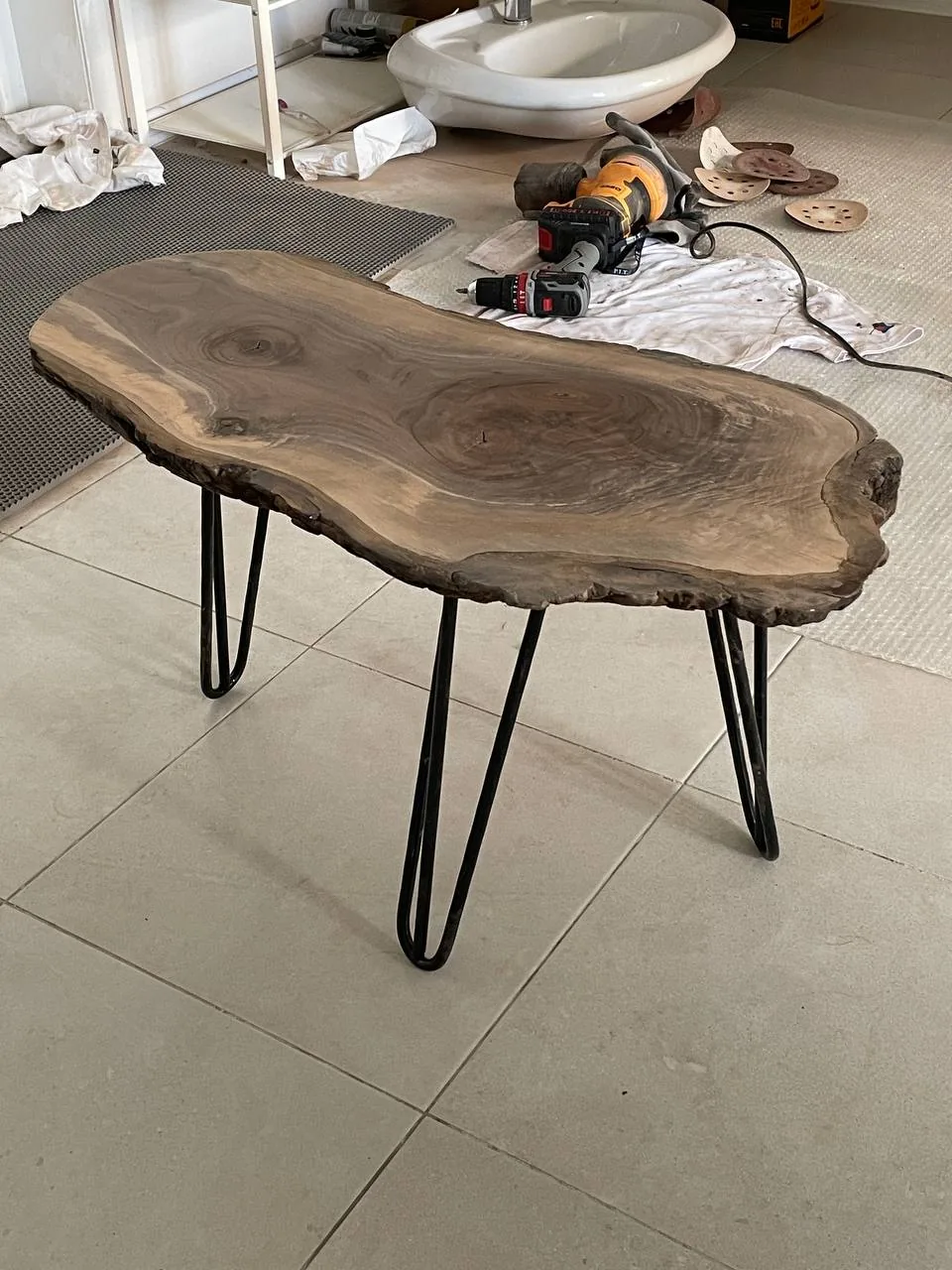
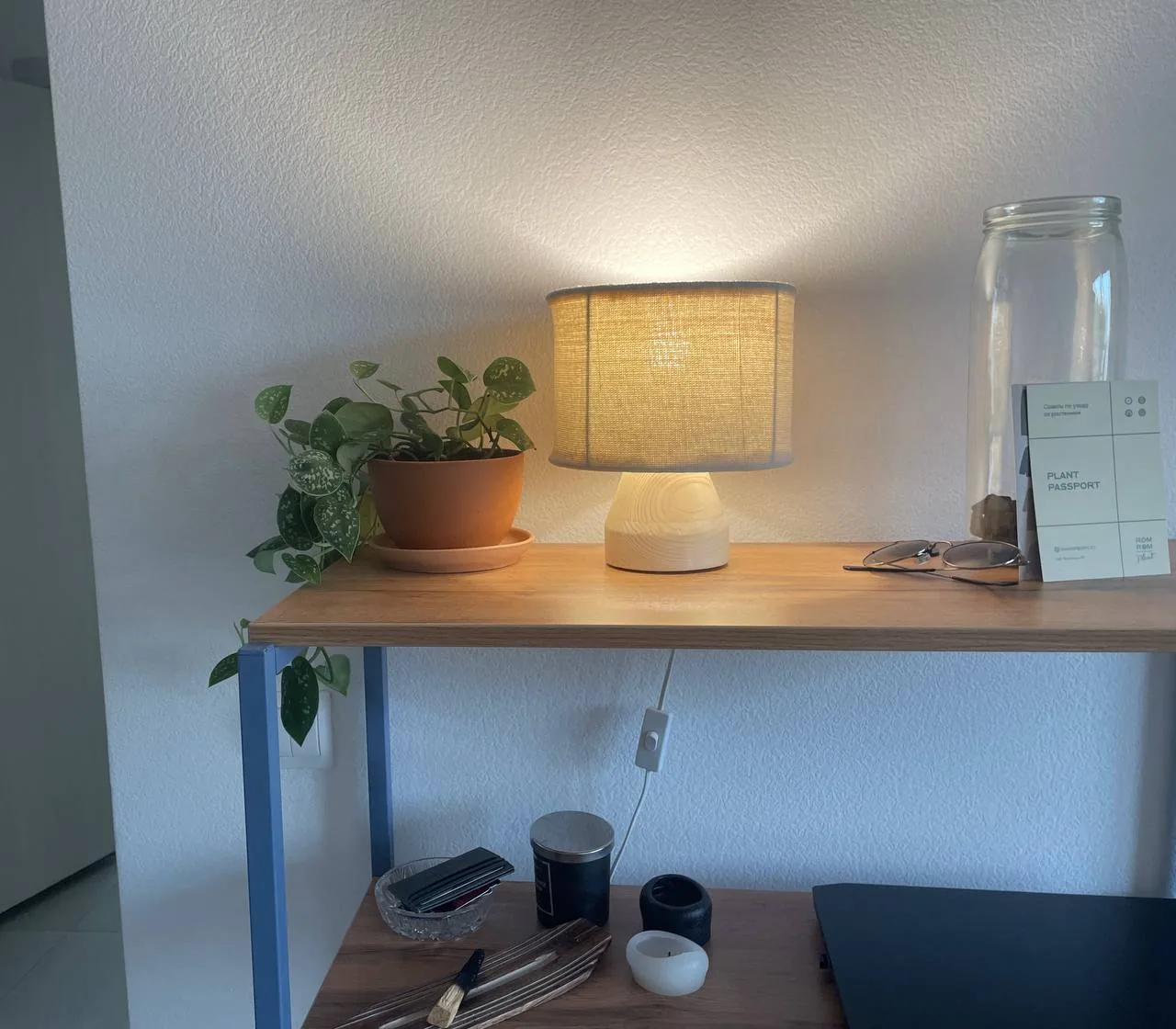
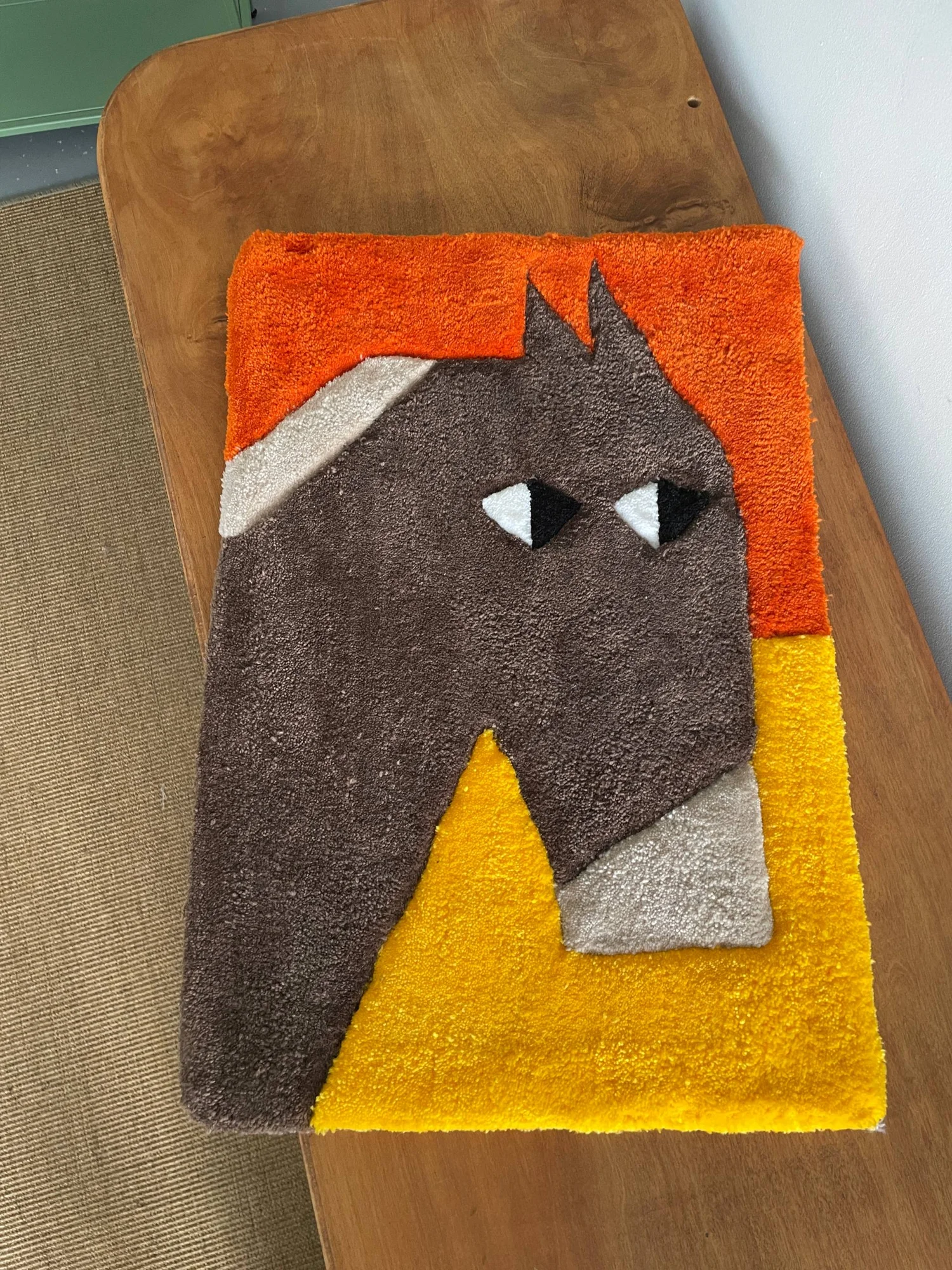
Some things I make myself to get a feel for the material. For the side table, I found a slab of American walnut, sanded it, finished it with oil, and picked the legs. The horse rug came from a tufting workshop: an illustrator did the design, and I did the tufting to learn the technique hands-on. I also built a table lamp prototype myself, with a wooden base and a fabric shade.
How I work with manufacturers
I've been working with China since my sourcing job at a promotional merch agency. I find products on 1688, buy through an agent or deal with factories directly on WeChat: I clarify details, order samples, and consolidate shipments at the agent's warehouse. I start with small batches of 3–5 pieces to get my hands on the item and test demand, and only then scale up. I've also traveled to China to scout products in person. I have a master's in Chinese studies, though day to day, page translation and English get the job done.
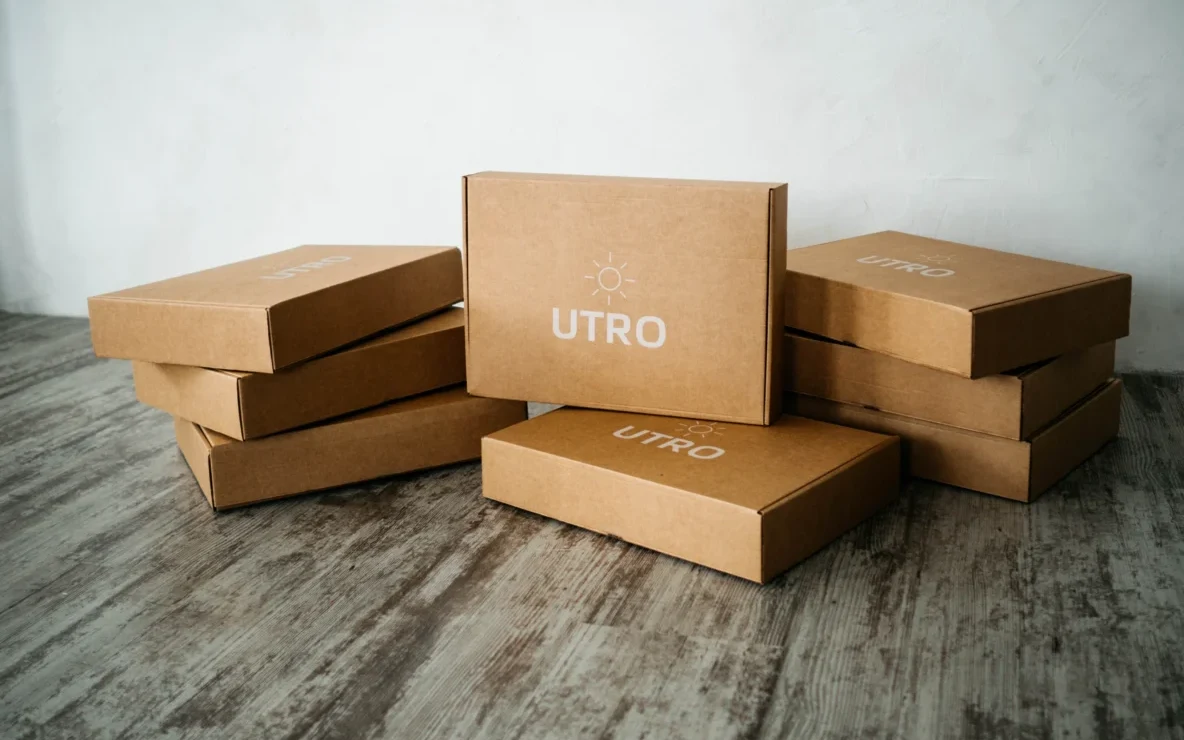
I work with Russian contractors where control, lead times, and small runs matter: that's how the Homnay mirrors and shelving were made, and before that, sewing for UTRO. My part is the spec, the sample, quality checks, and getting it to consistent quality. Often the best answer is a mix: for the mirrors we looked at China first but nailed the process in Russia, and we tried making the throws in both countries.
Sneakers
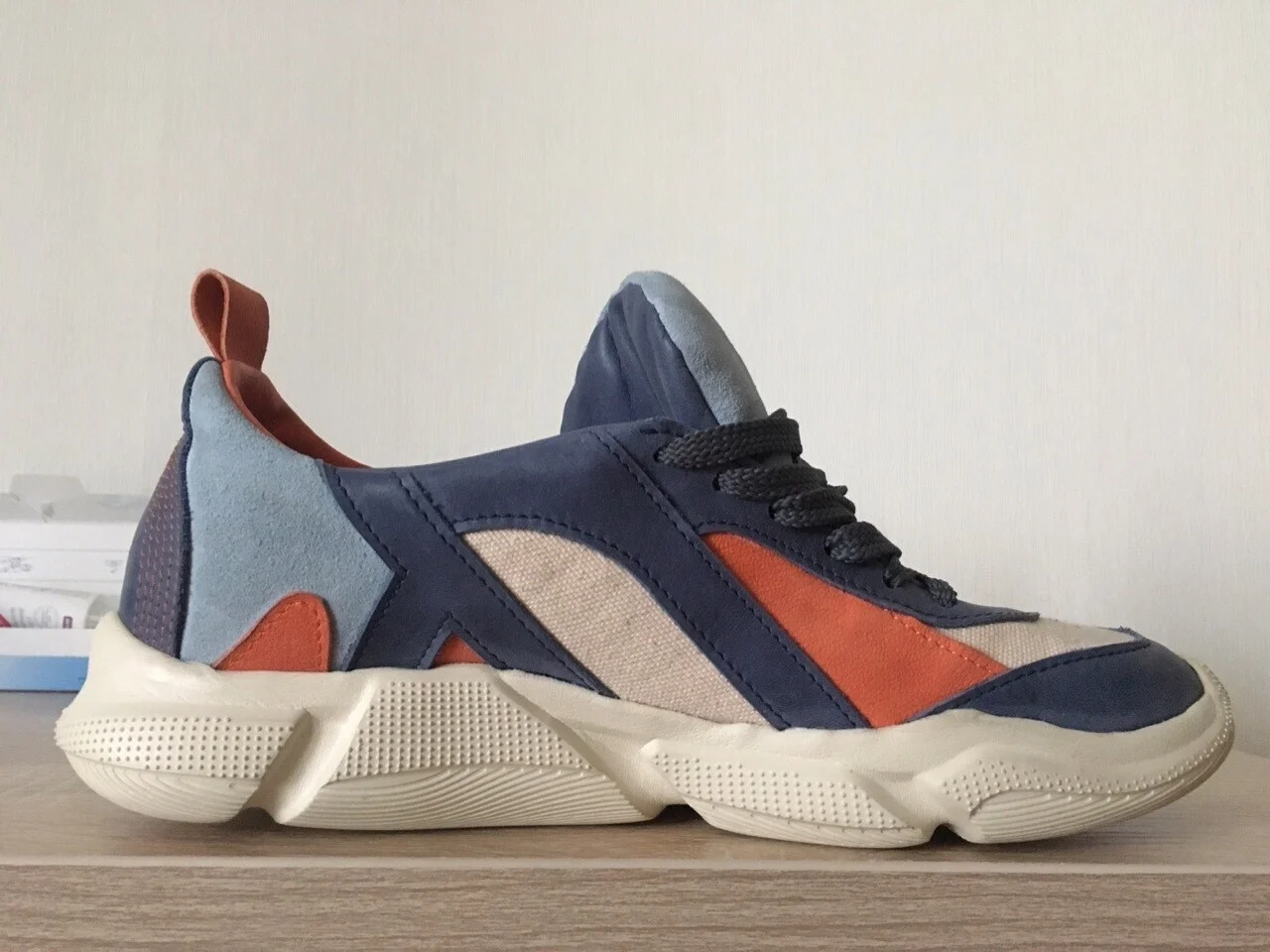
In 2019 I tried to launch sneaker production: I put together a sketch with a designer, found a workshop, made a sample, and worked out the unit cost and minimum run. It never made it to production — the sole and the minimum run made the barrier to entry too high. I wrote up the whole process in an article on vc.ru (in Russian).
How I can help
I can take a physical product all the way: catch the shape and references, find a manufacturer in China or Russia, make a sample, work out the cost and price, then package and sell it — with content, a website, and sales channels. I'm into brands where the product and how it's presented matter equally: home, interiors, lifestyle. What gets me most excited is the stage where the thing doesn't exist yet — there's just an idea that needs to make it to the first batch.