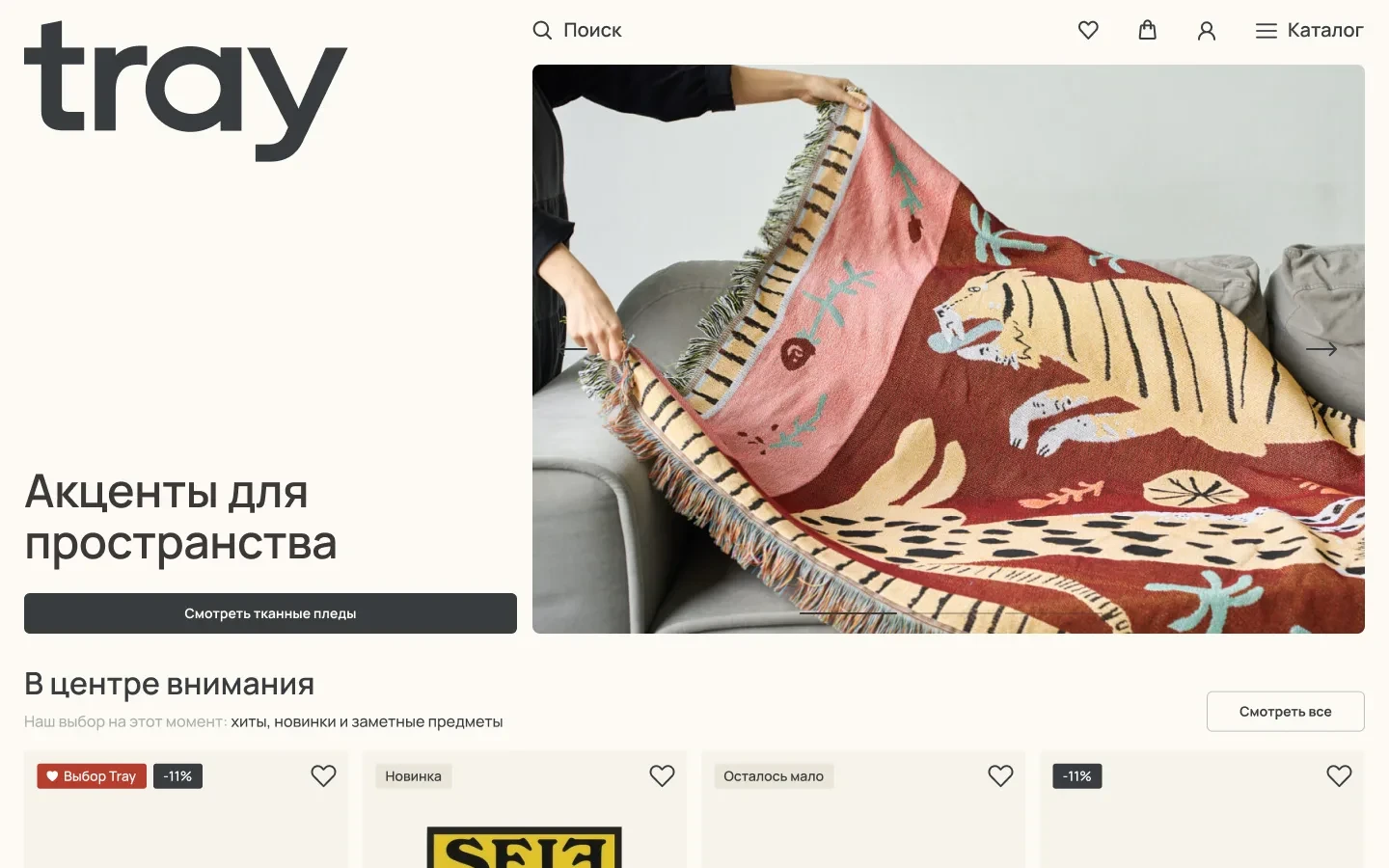
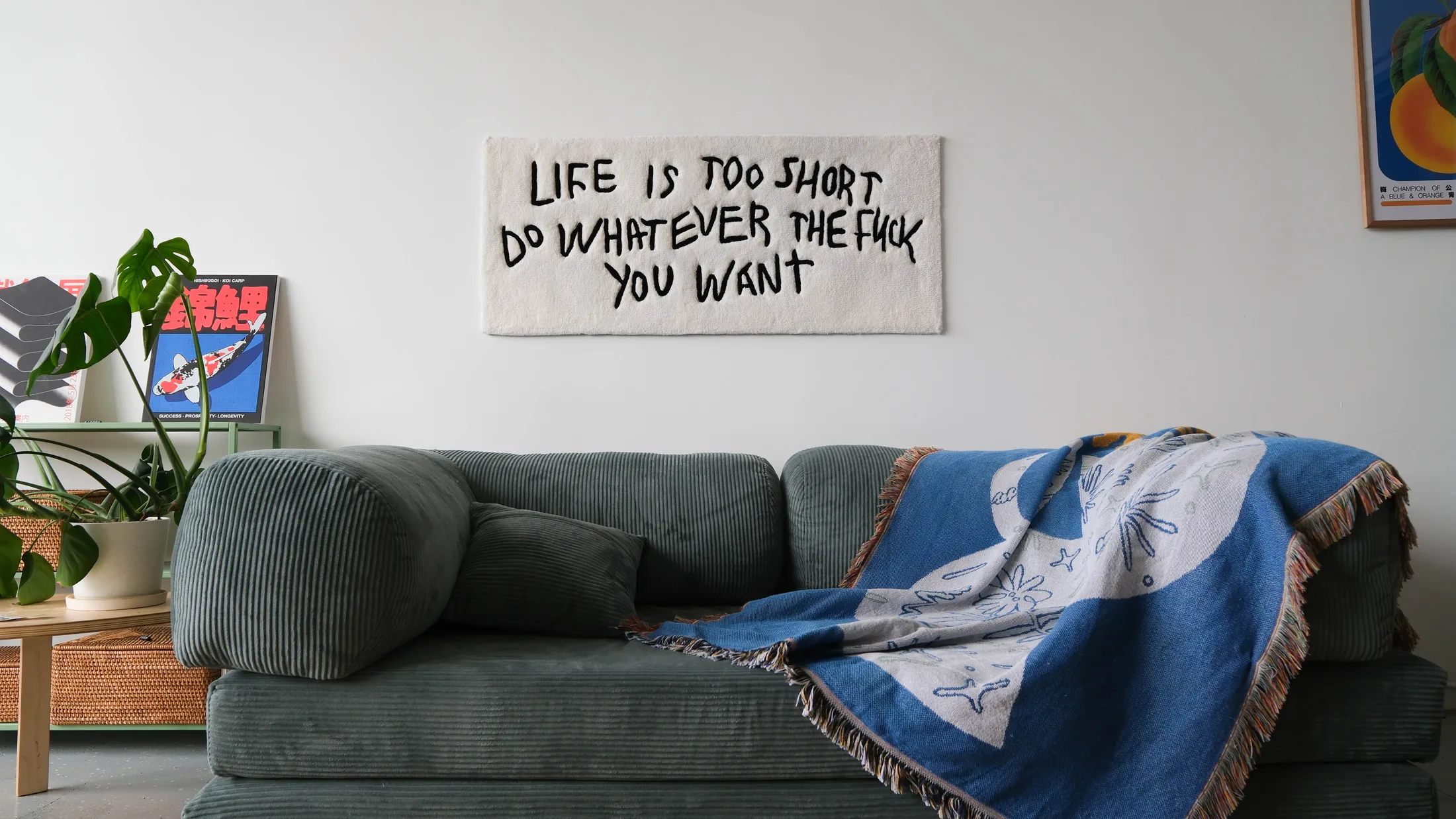
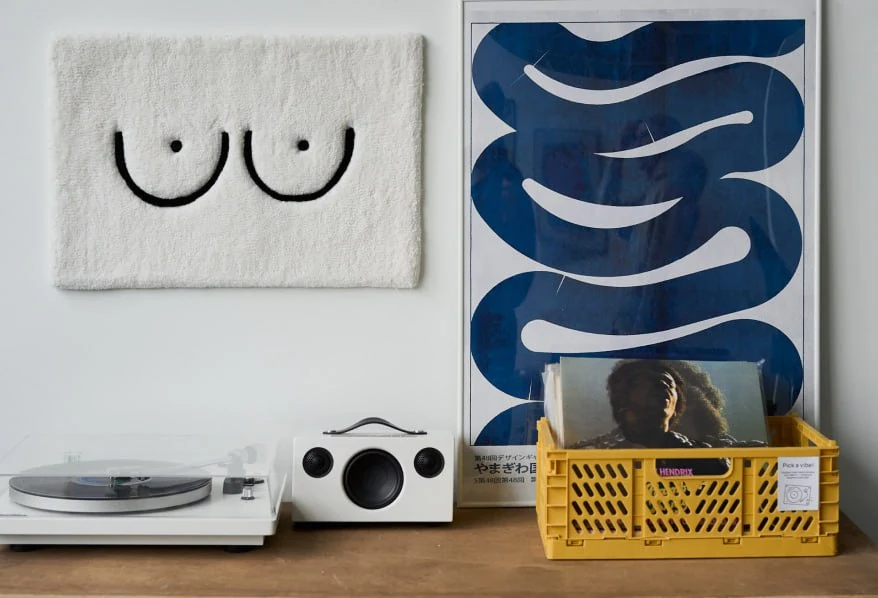
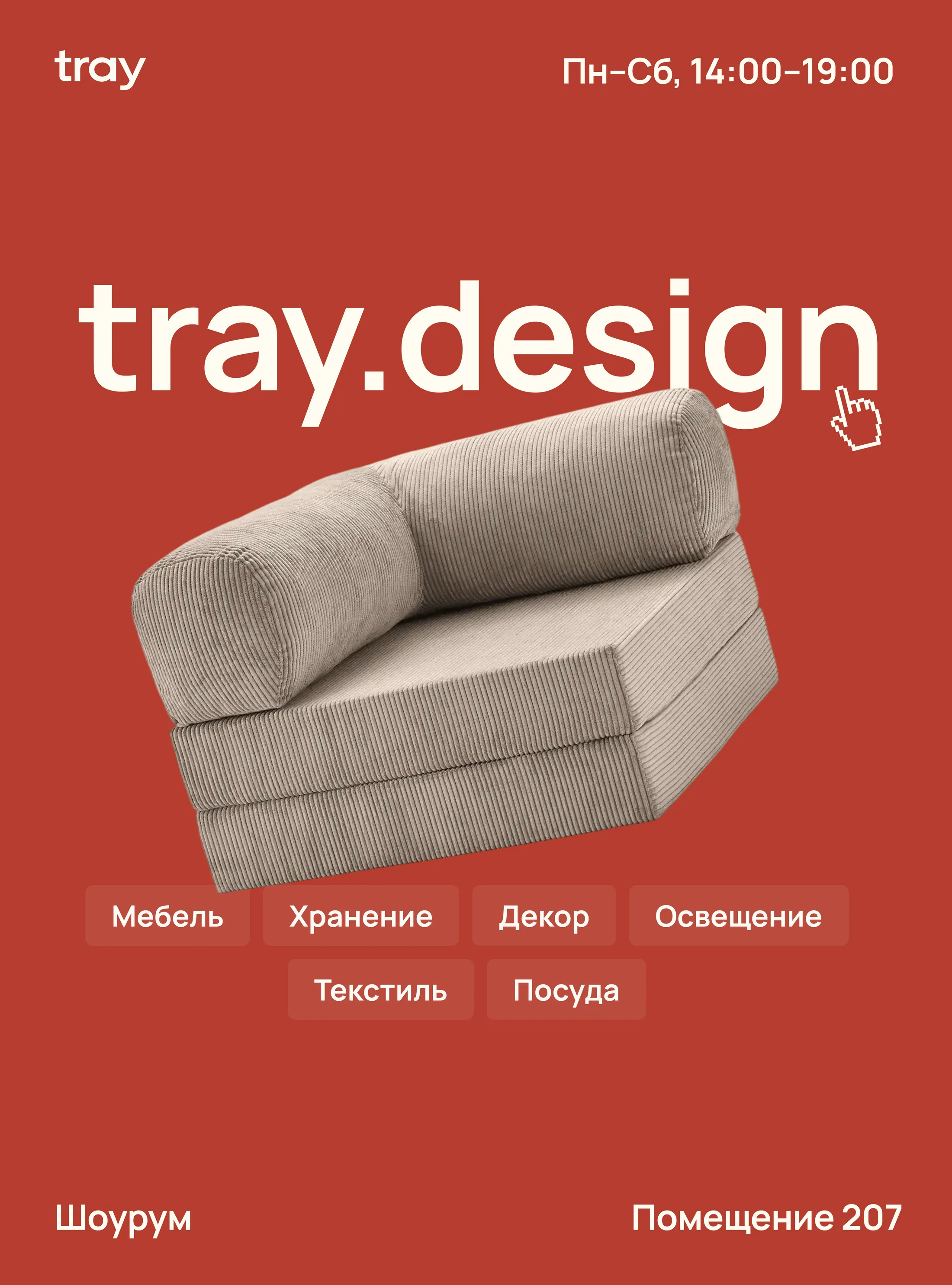
Tray is a St. Petersburg brand and store for home goods: furniture, lighting, textiles, and decor with character. Some items we found in China, some at other brands and manufacturers, and some we designed and made ourselves. We sold through our own website, marketplaces, Avito, and a showroom.
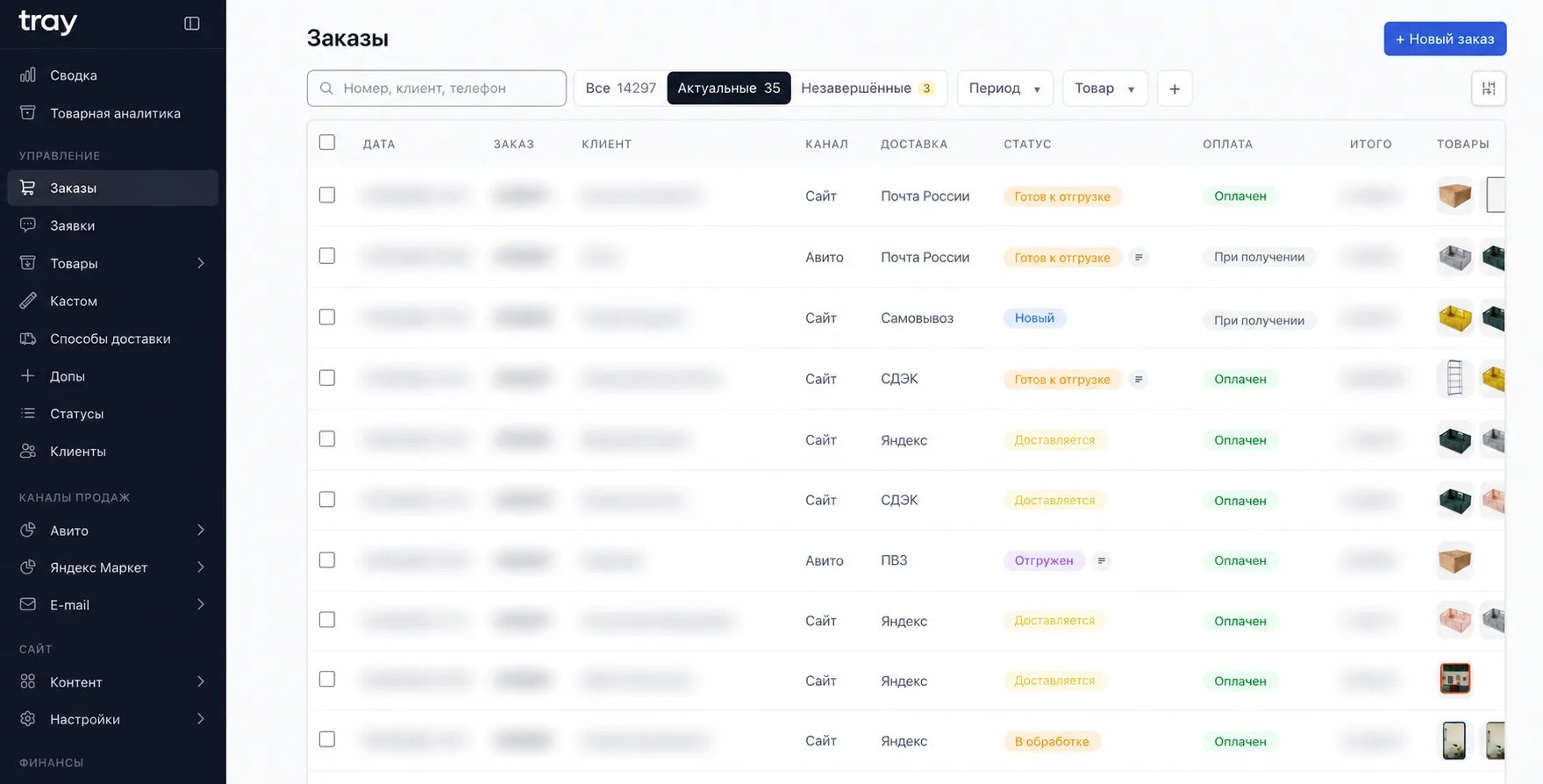
By 2024, I had e-commerce experience and a good eye for interiors. I saw growing interest in lively interiors with character, and the market didn't offer enough of it. That's how Tray started. I ran it as the founder for two and a half years. In that time, the business grew from the first test purchases and sales on Avito to a team of eight, six sales channels, and revenue of about 4 million rubles a month at its peak. I was responsible for everything: product, brand, sales, finance, and the team — and I built the website and the internal system myself. They have their own case.
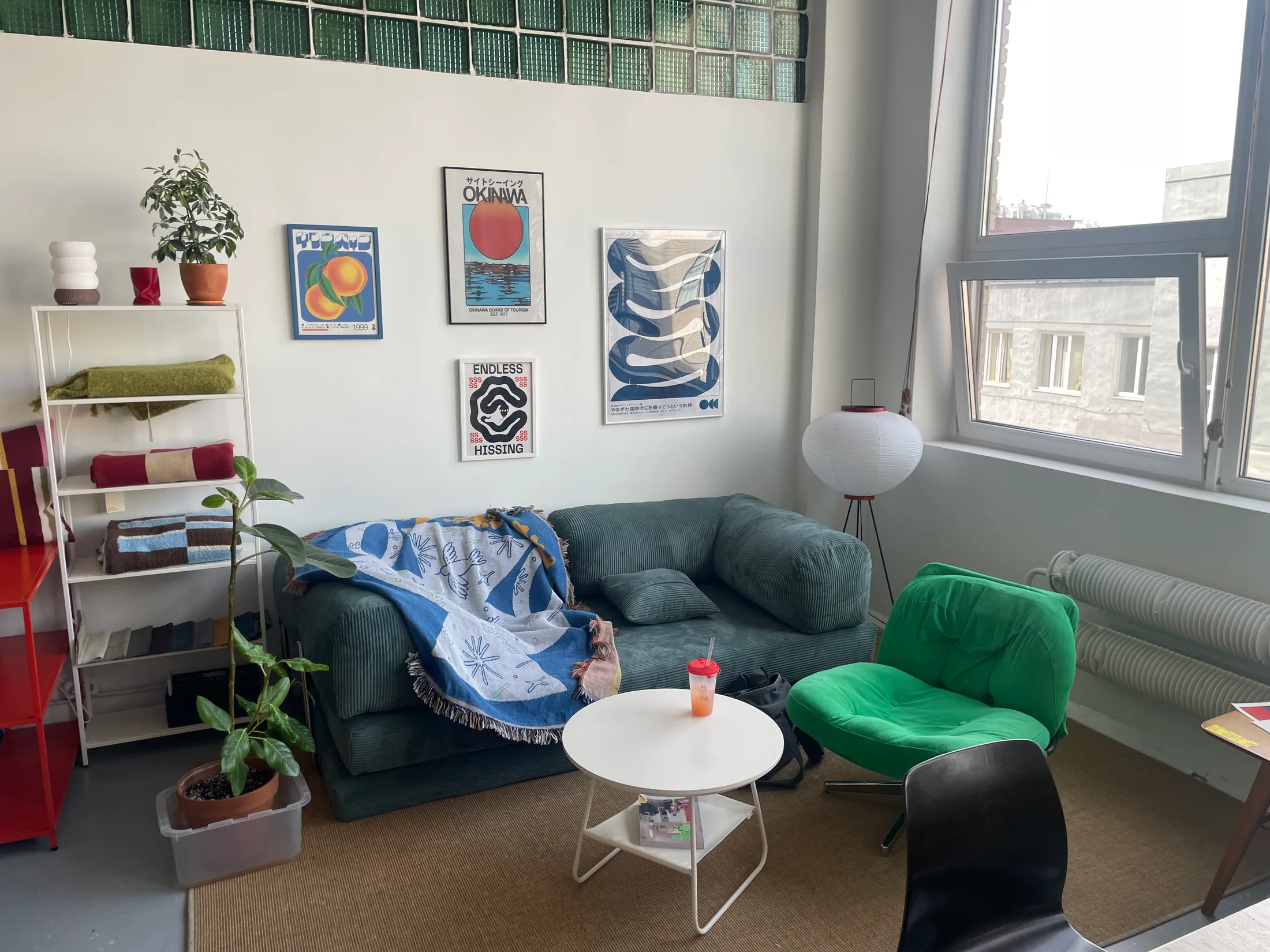
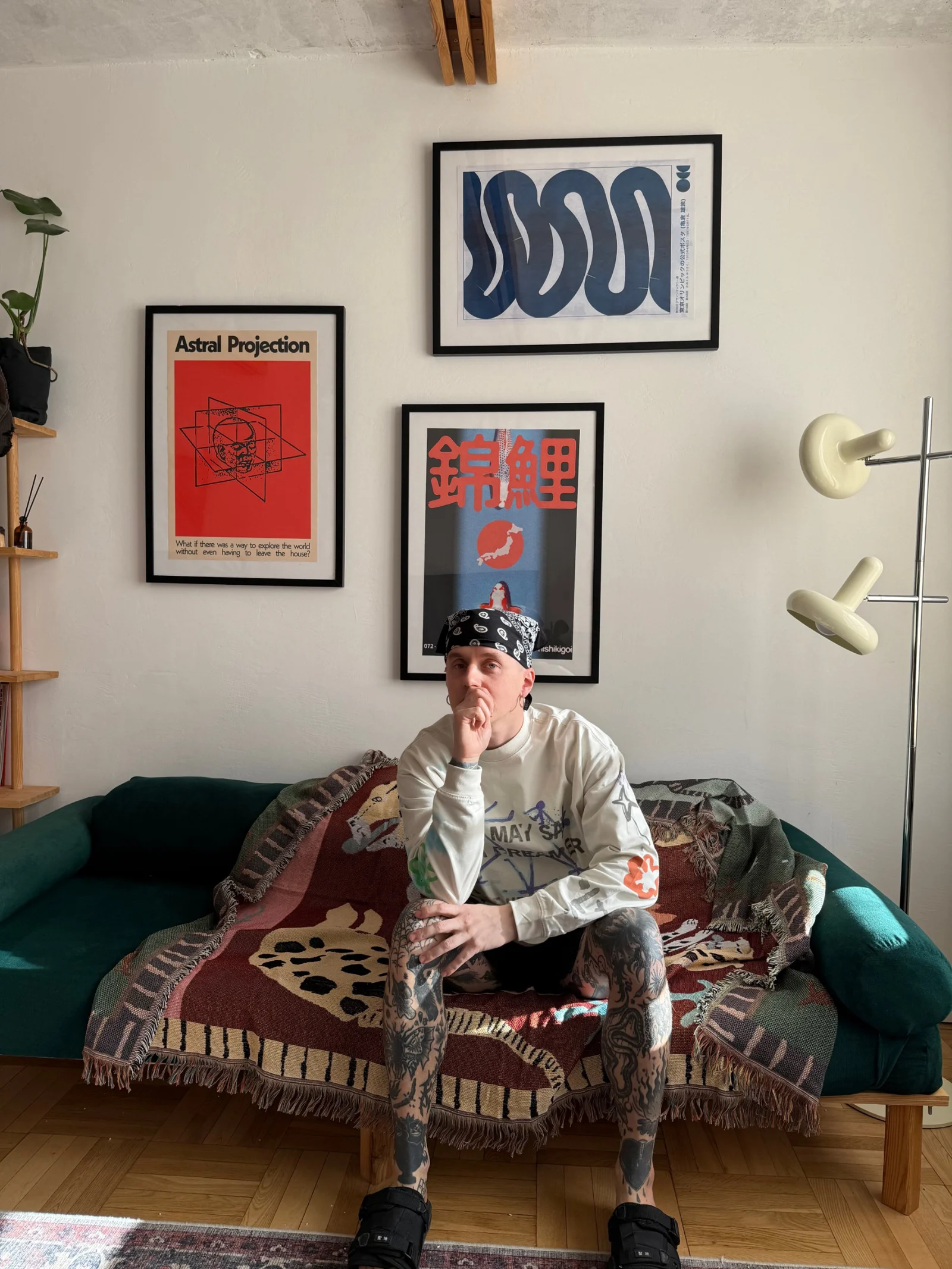
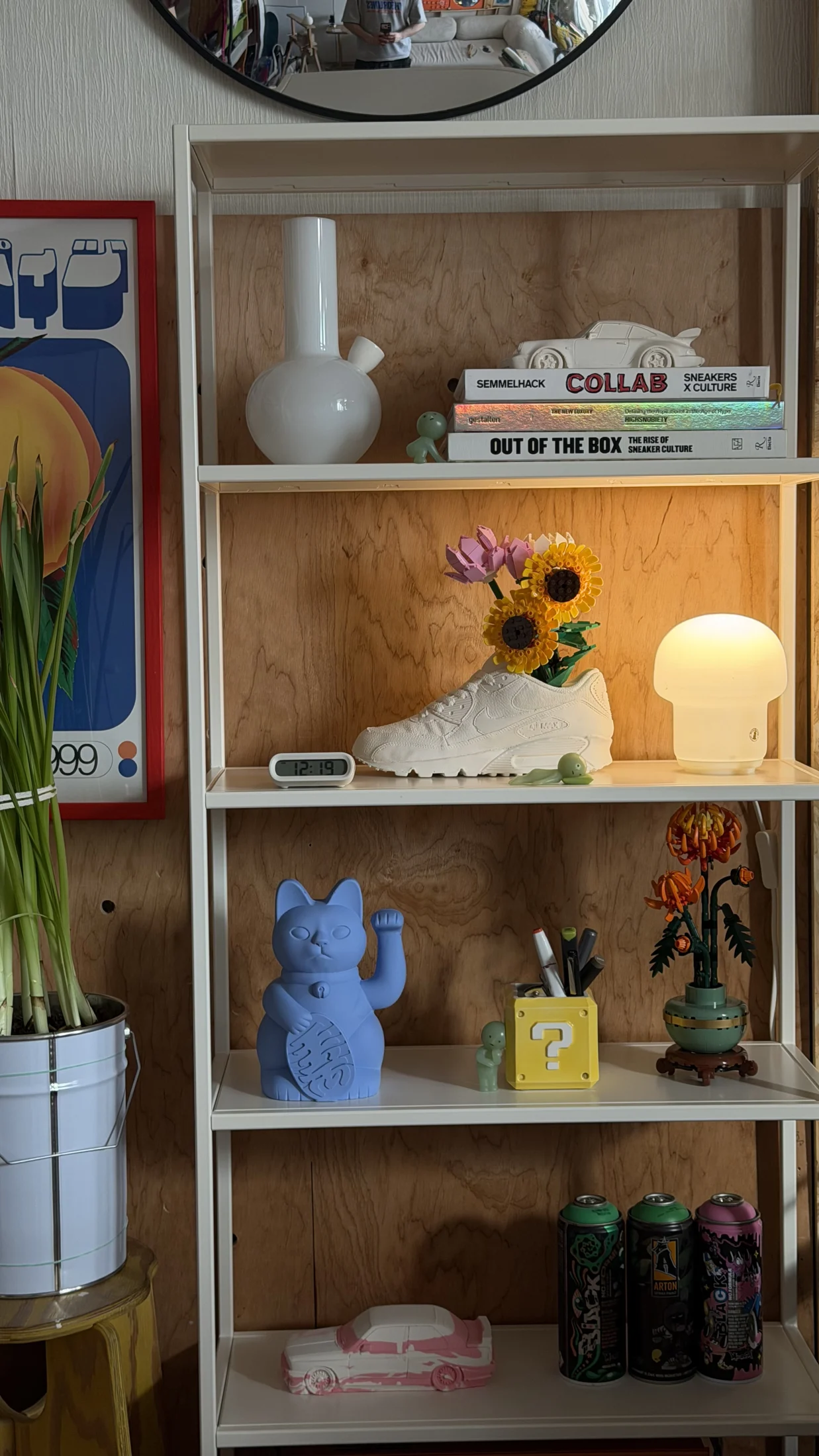
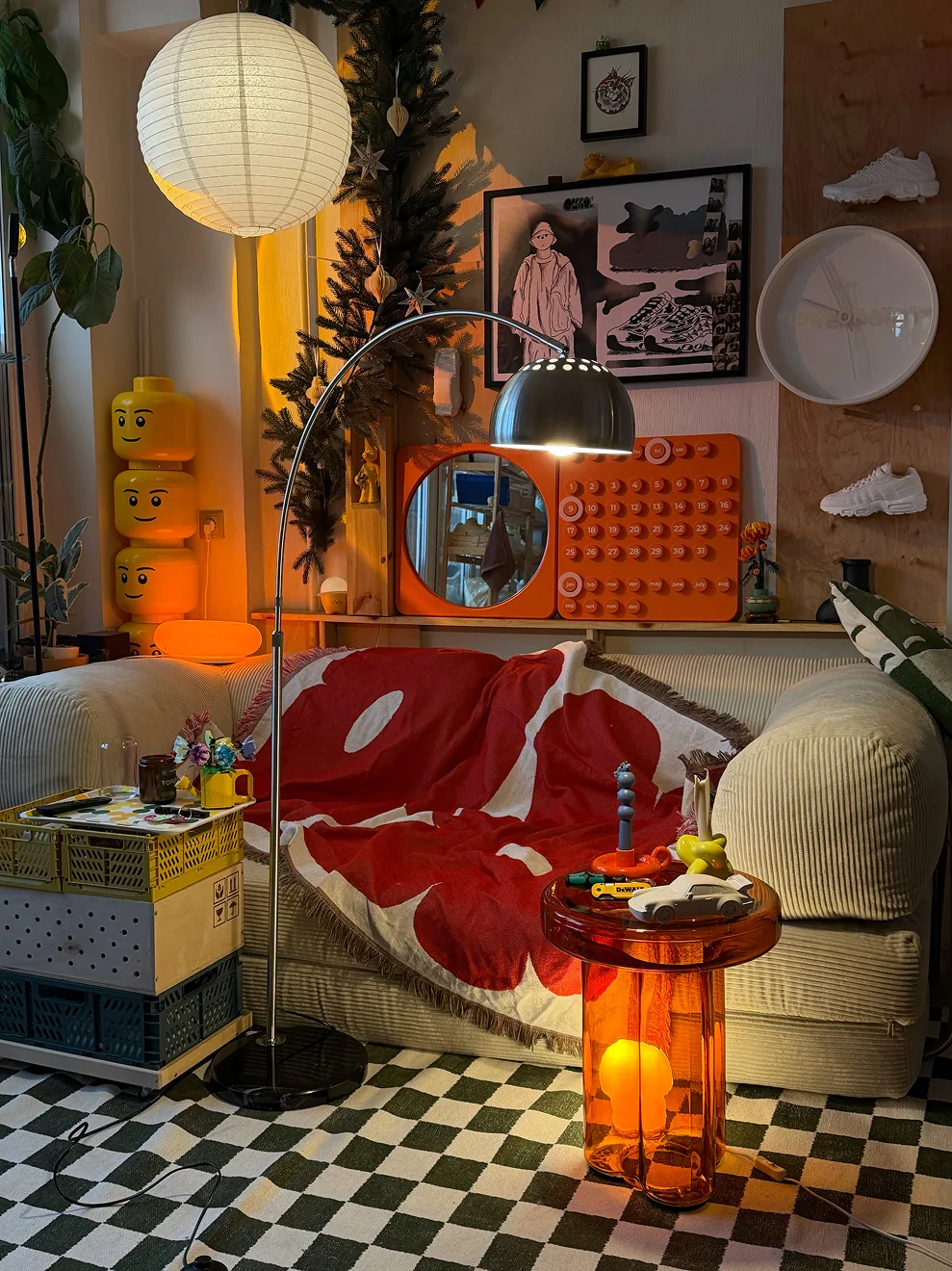
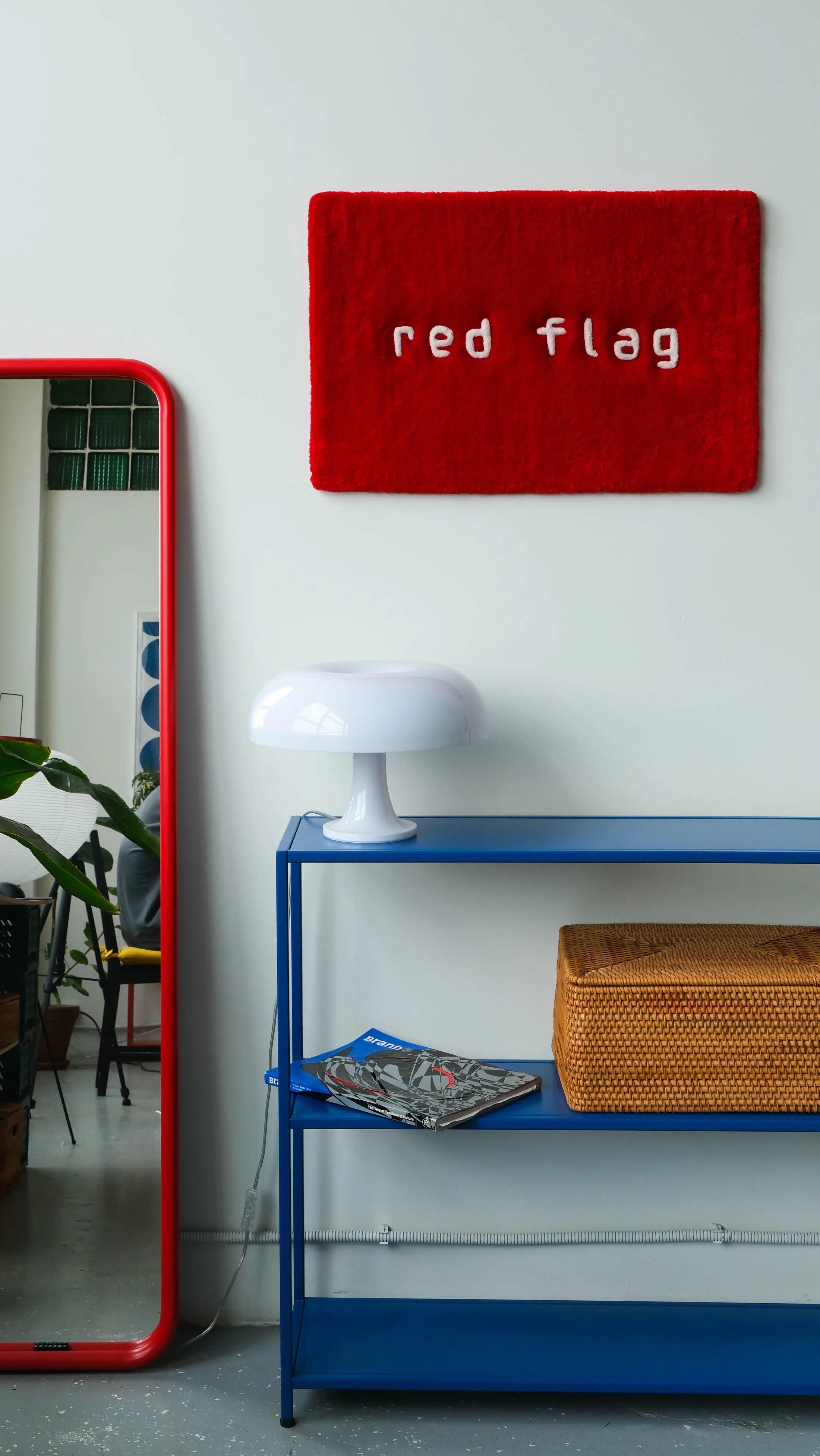
In 2026, I handed the business over to a new manager. Retail in Russia got too unpredictable, and I realized I want to apply the same things — product, brand, systems — in a more stable market. Tray keeps running.
Product range and sourcing
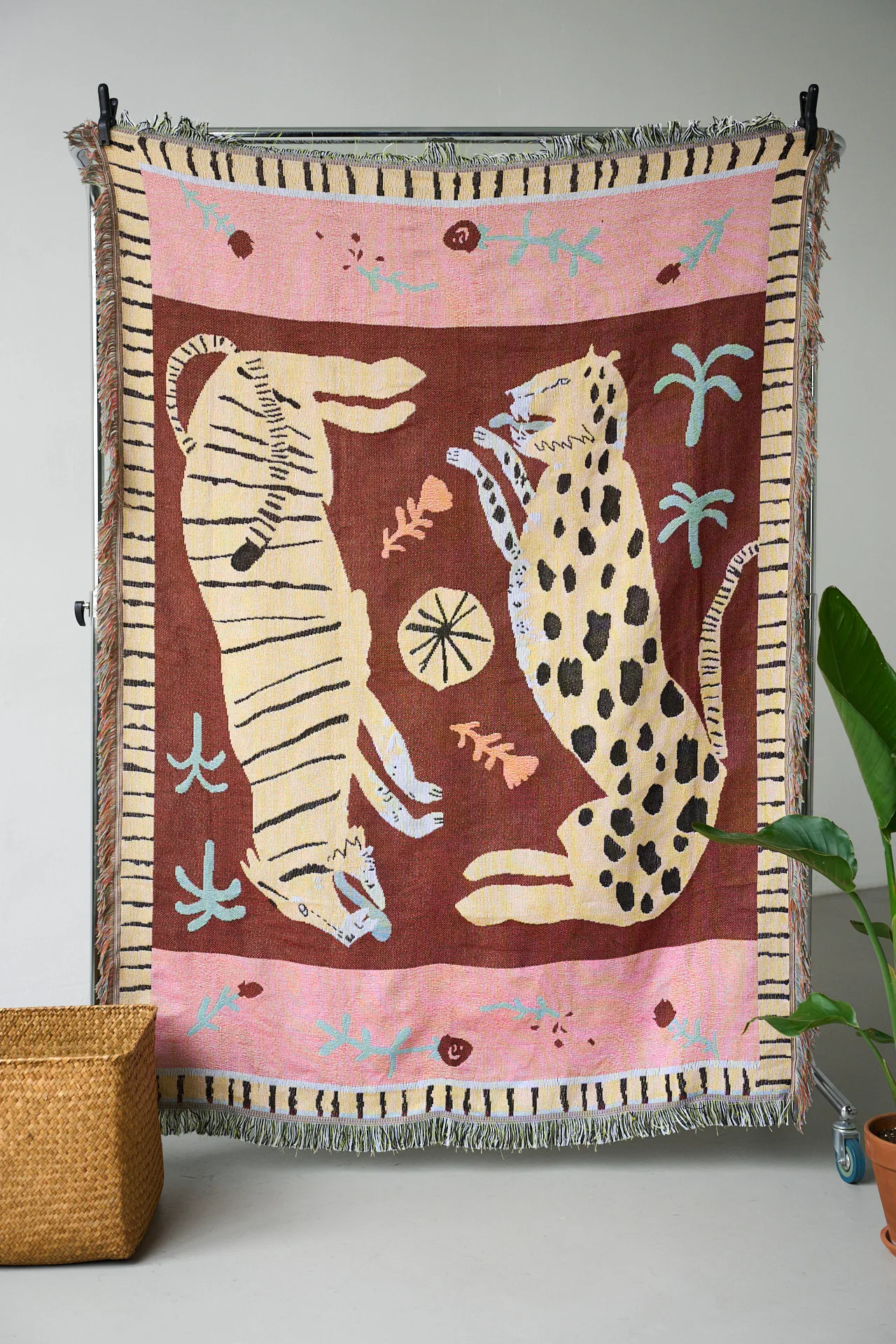
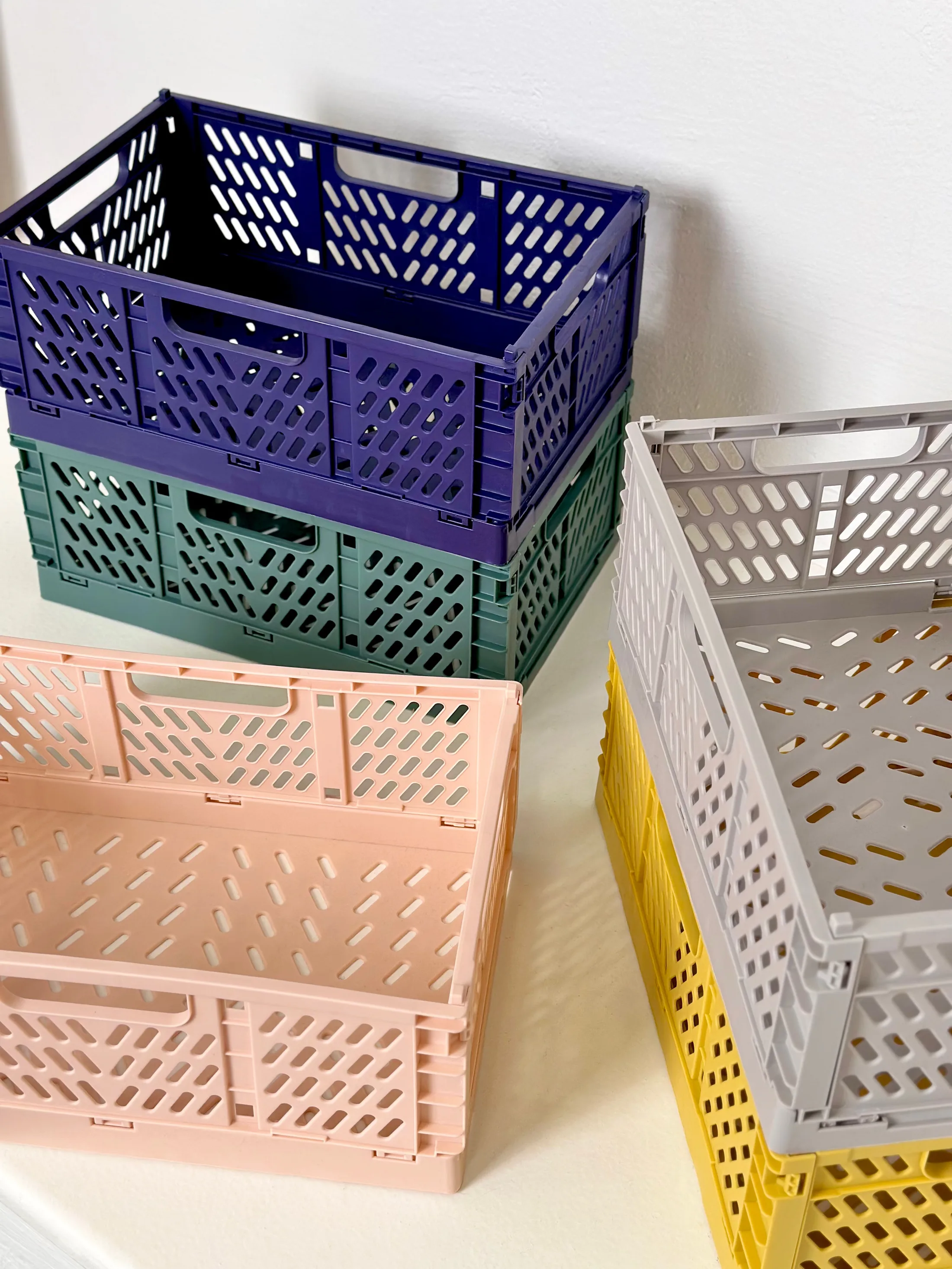
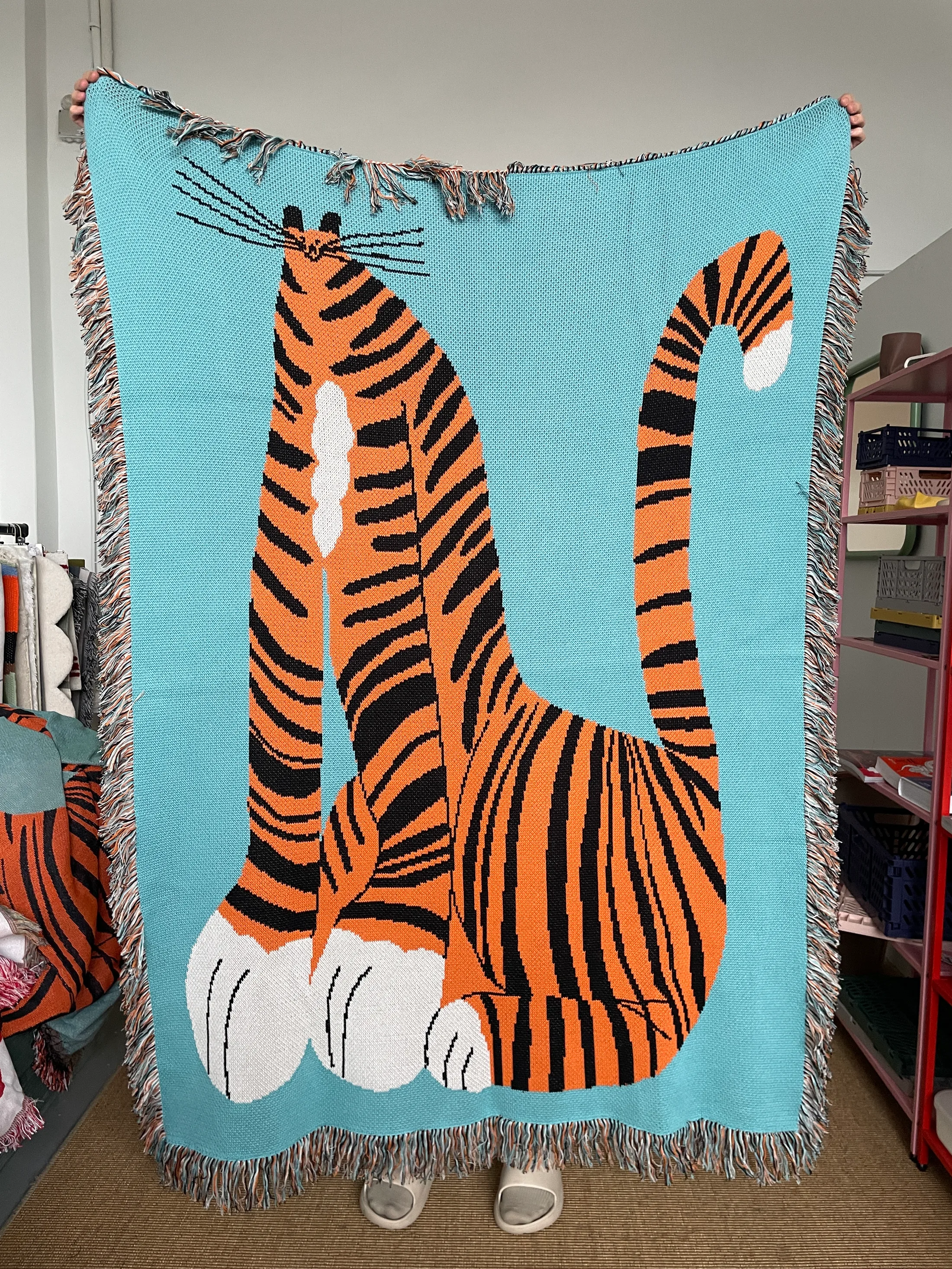
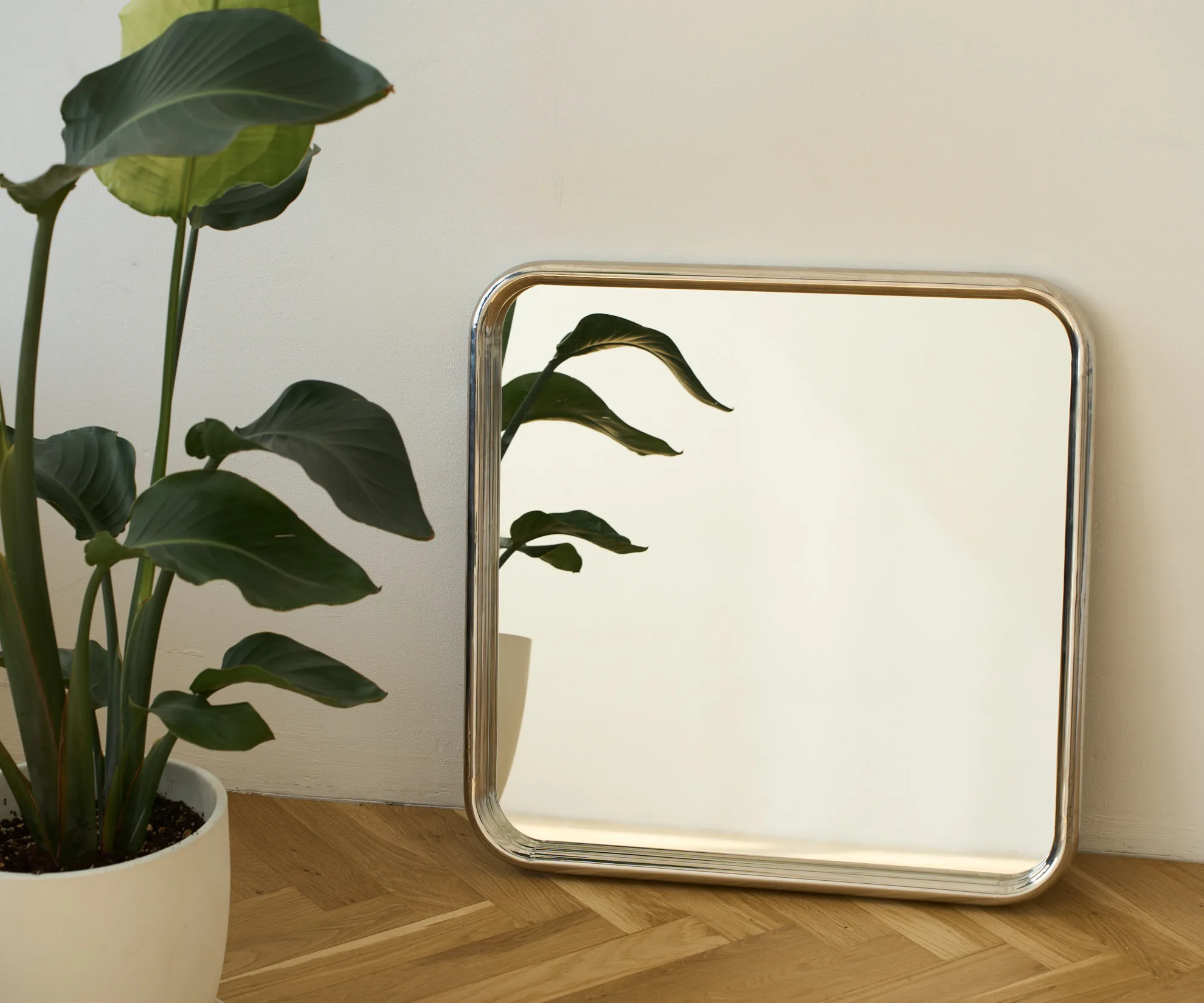
I have a good eye, and I can usually feel what will work for a specific audience: the vibe, the shape, the color. I found those items at Chinese suppliers, directly and through agents, at trade shows like the Canton Fair, and at Russian brands. I set up the imports myself: buying, shipping, and customs. I tested my gut cheaply: I'd buy a new item in a batch of 3–5 and see how it sold. I got a lot of them right. Woven blankets became a hit on marketplaces, and folding crates and chrome and colored mirrors were strong sellers. The best items we moved to our own label.
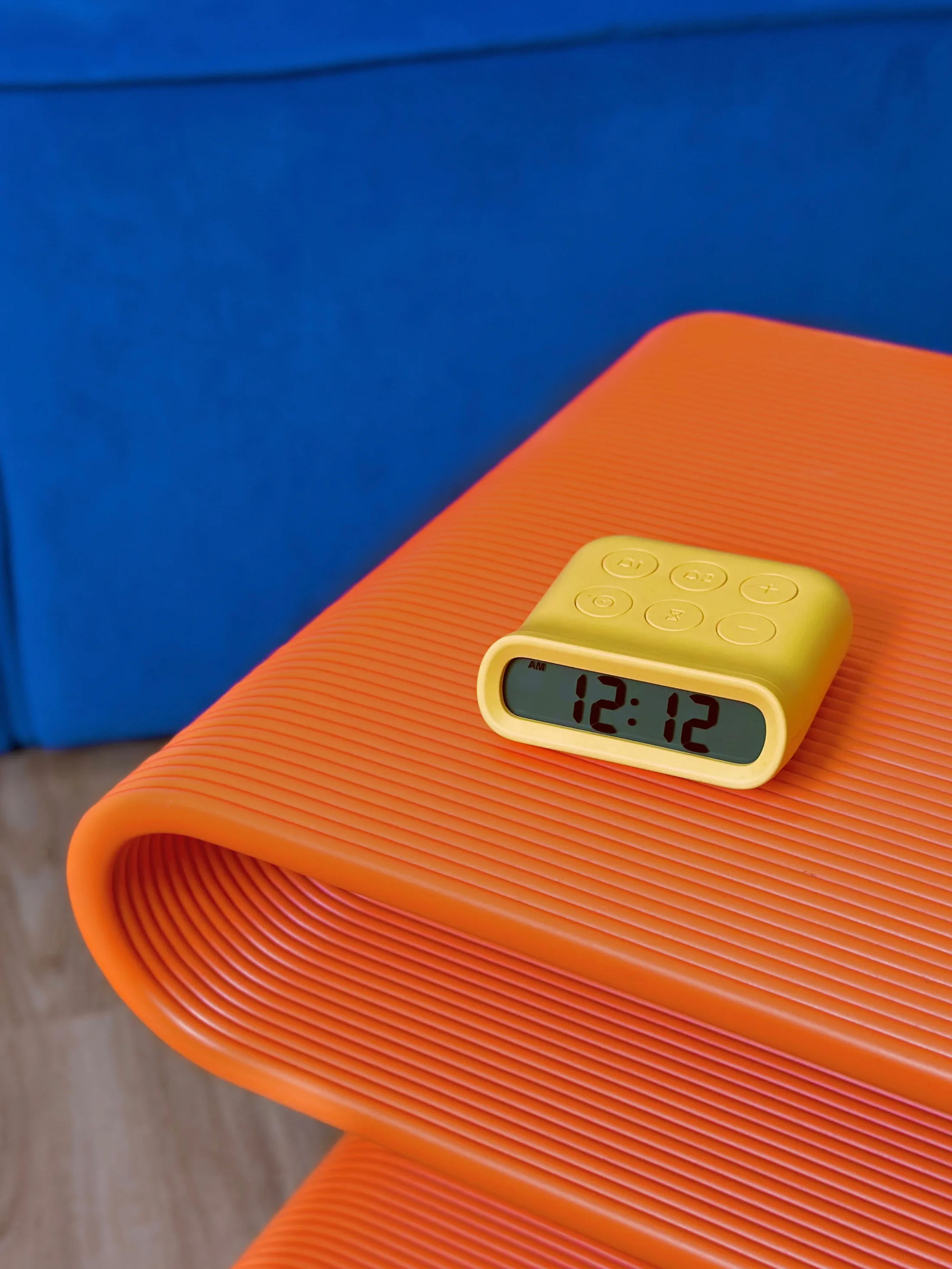
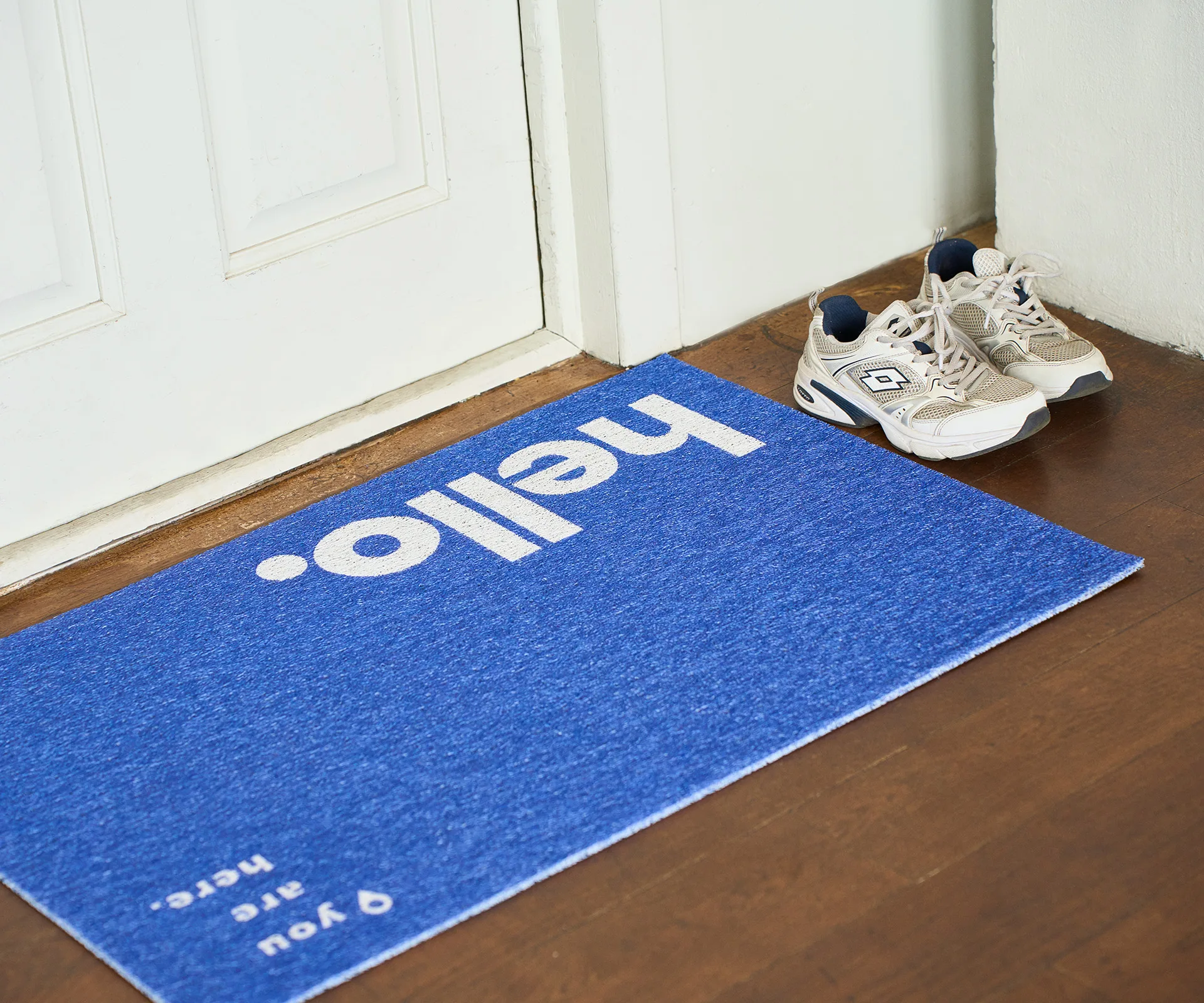
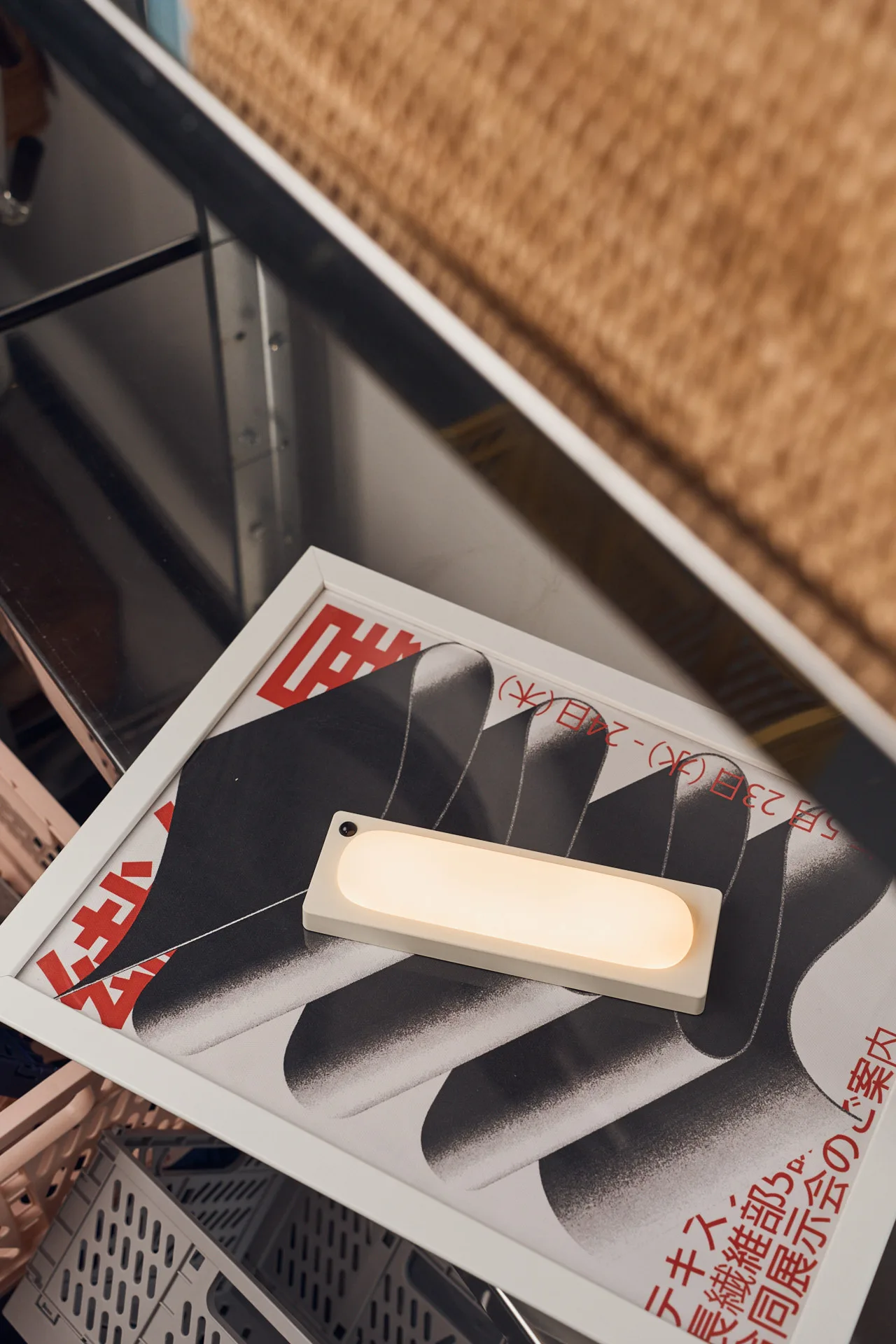
Making our own products
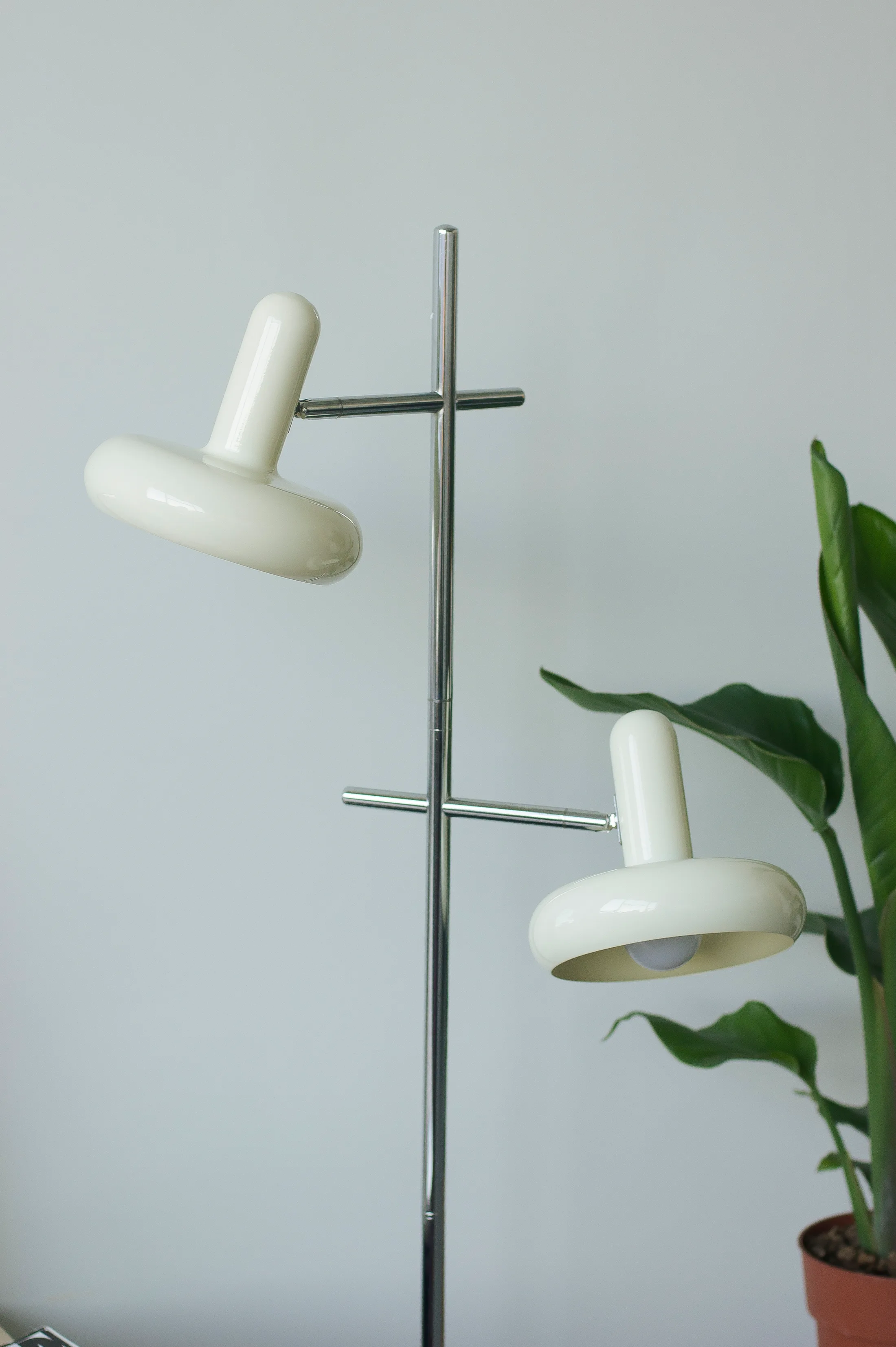
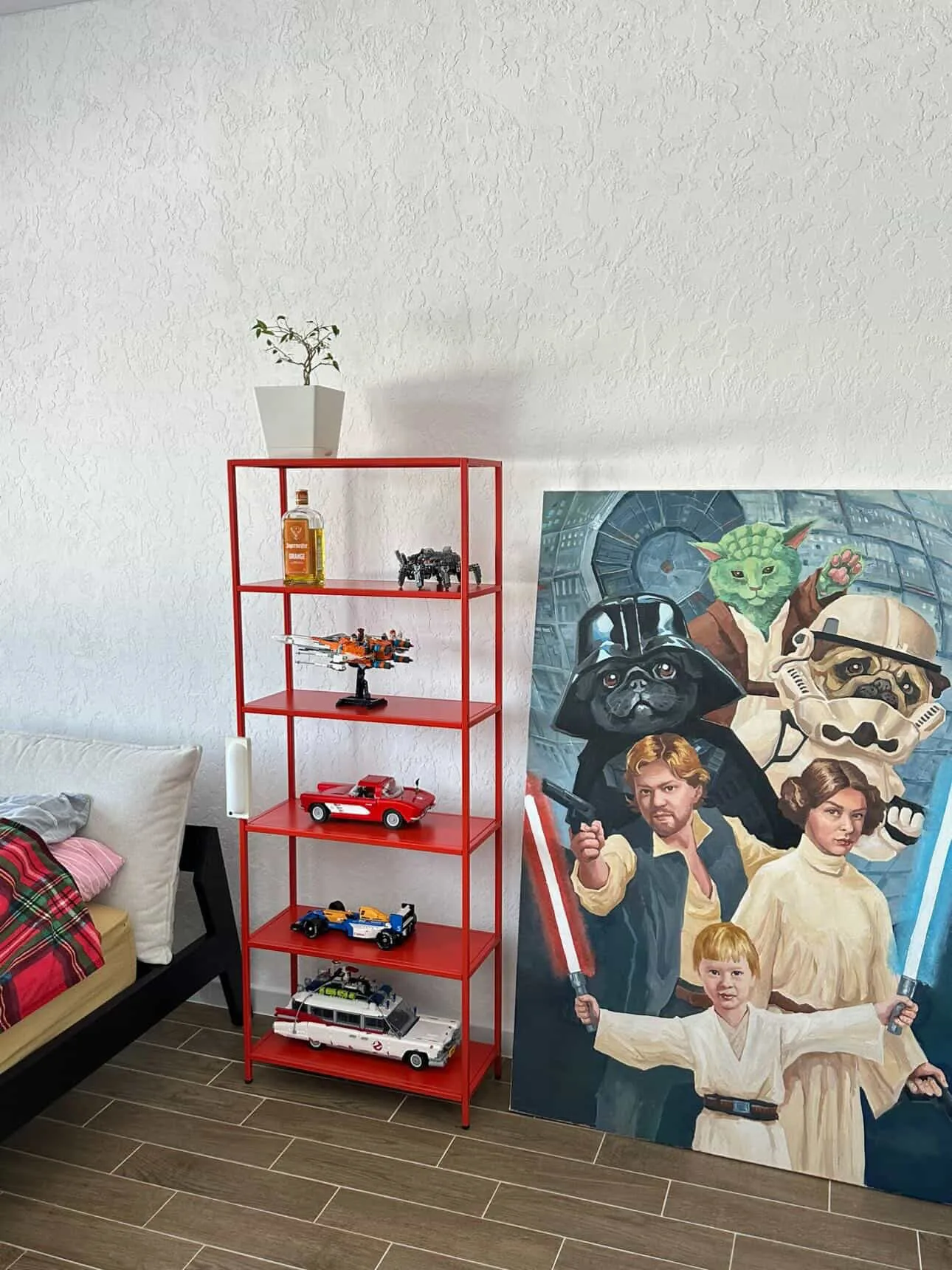
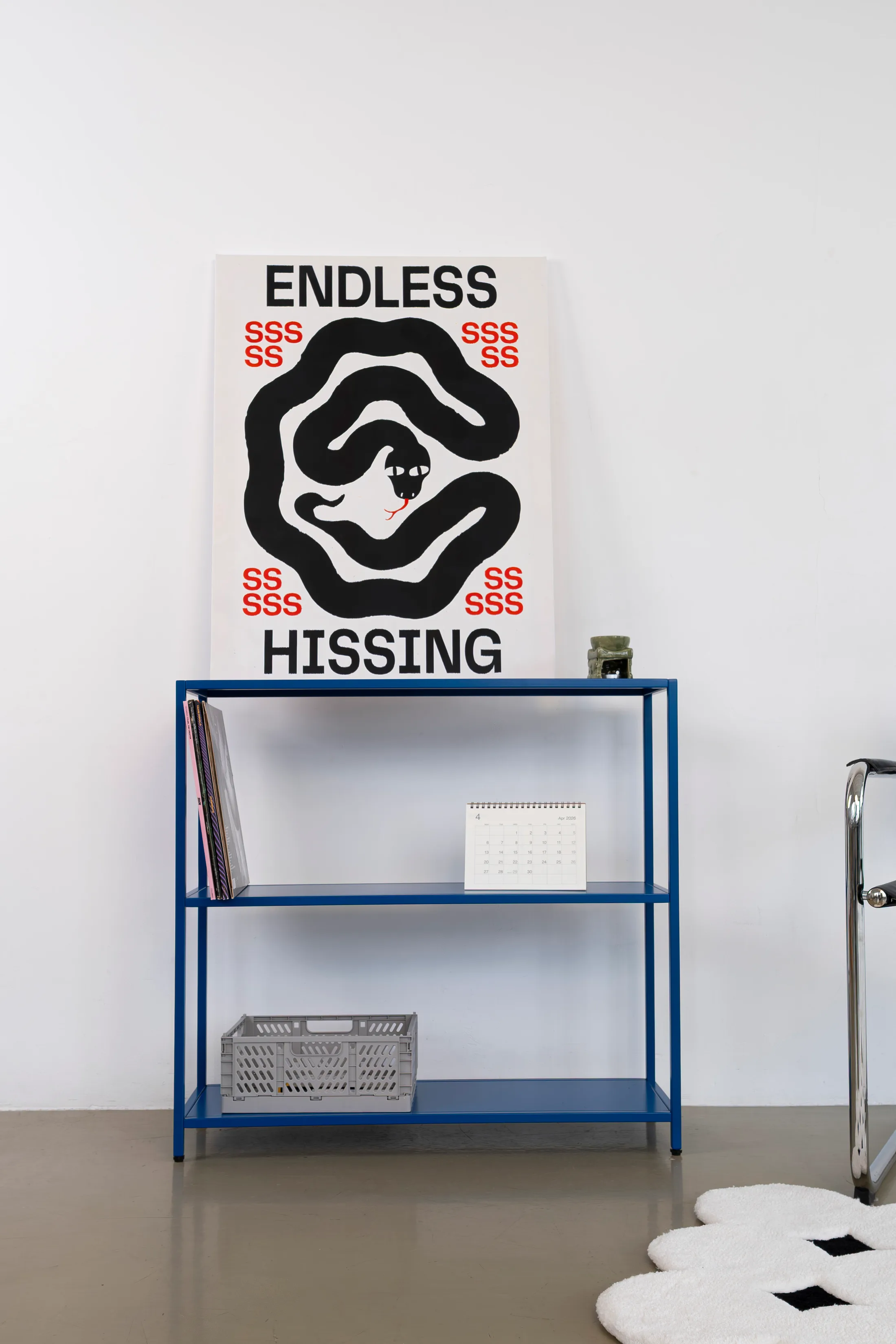
I can take an item from idea to a production run: find a factory, write the spec, calculate and hold the cost, and design the packaging. We moved the mirrors from China to a factory in the Leningrad region and improved them: the coating, the size range, and the mounting. With manufacturers, we also developed the Homnay shelving. KUMO lamps we made ourselves on a 3D printer: I prepared the models and worked through the samples, and the printer paid for itself in 2–3 months.
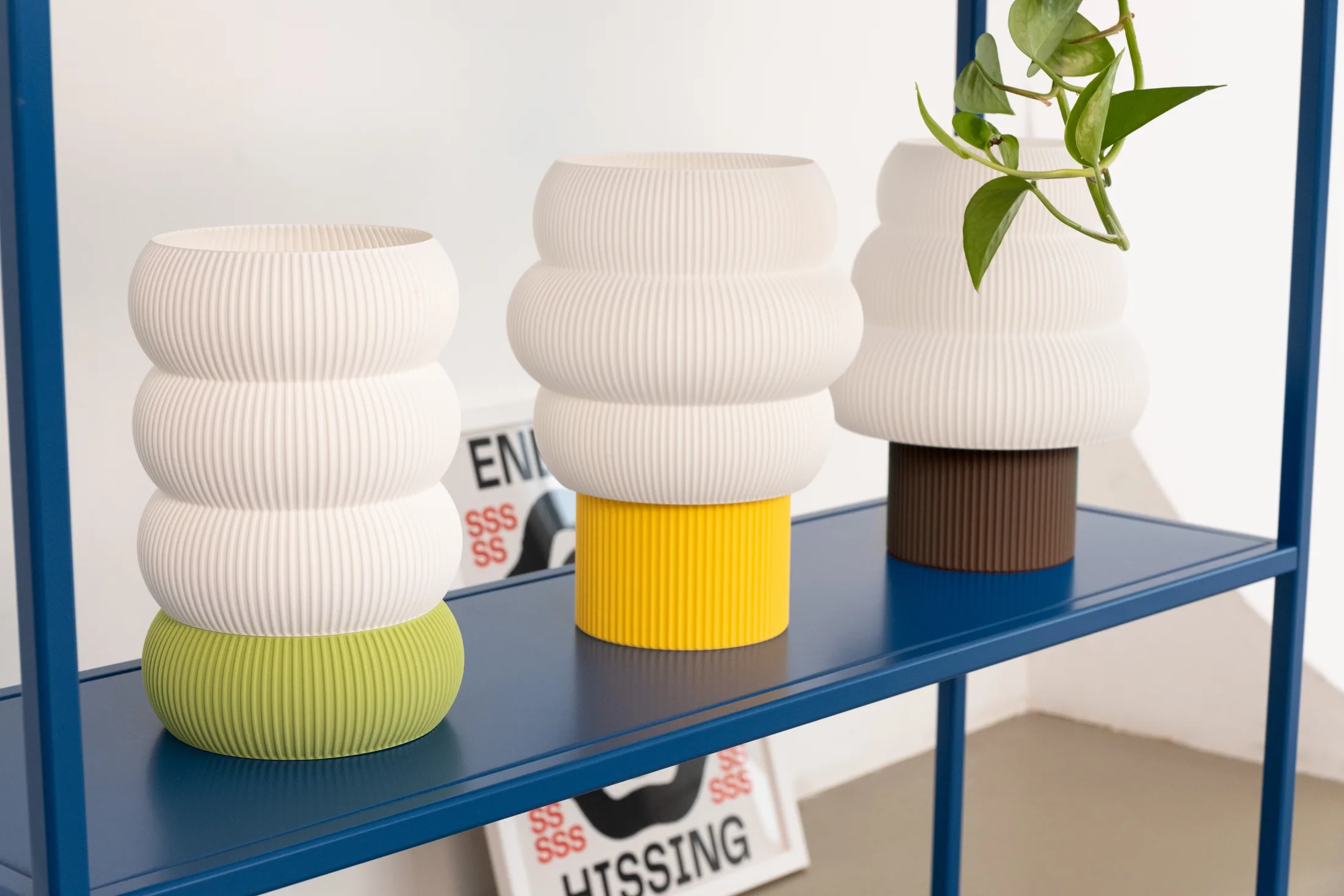
Partnerships
Besides our own products, I brought other brands into Tray. With RowRug and Minova, I set up consignment: we sell, and we pay the supplier after the sale, so no money gets stuck in inventory. We did a collab with an artist — blankets with her drawings. To keep the range from sprawling, I split it into sub-brands: Homnay for furniture, Print Dept. for print, KUMO for lighting.
Sales channels
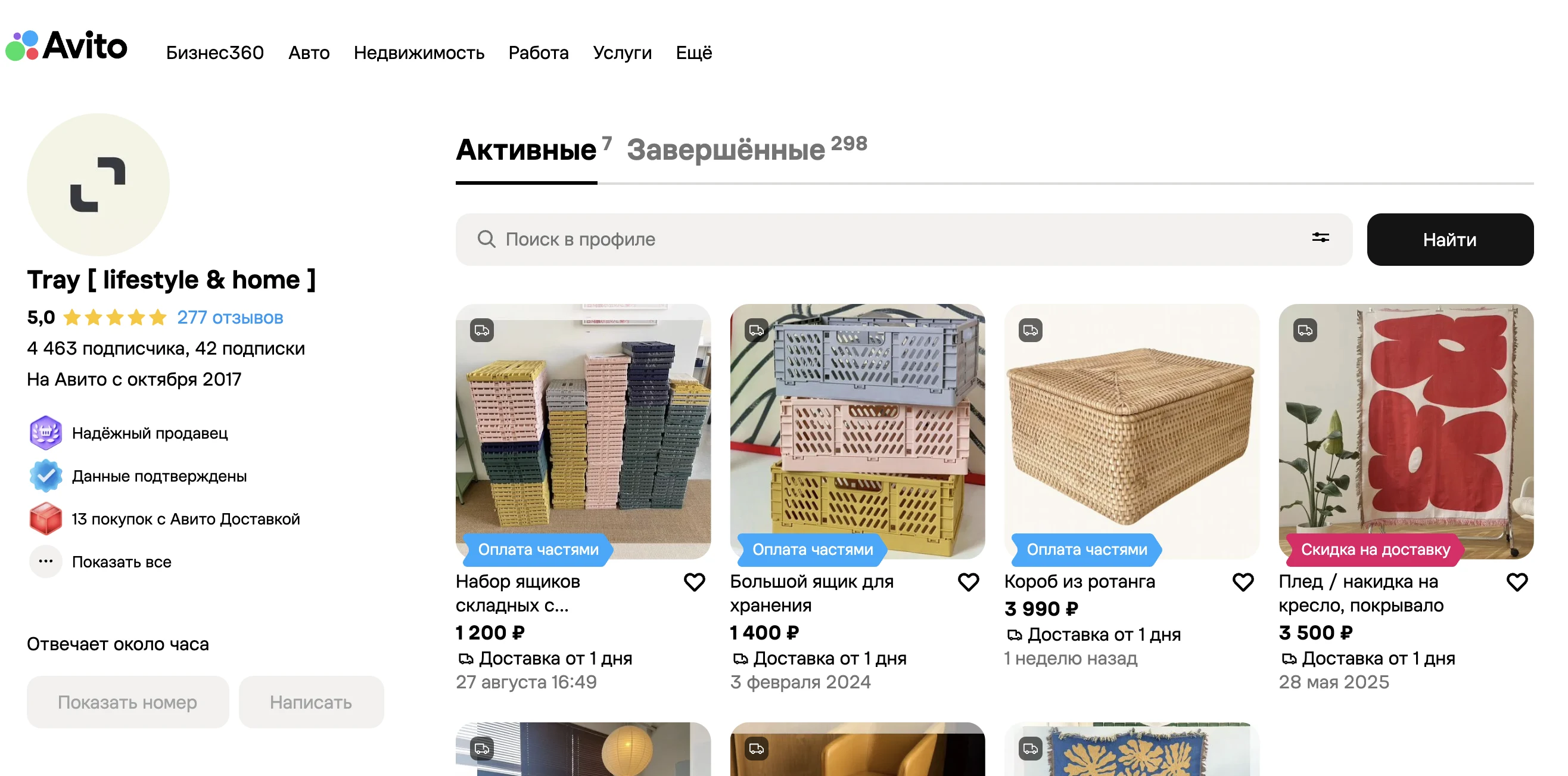
I launched and ran six channels: Avito, Ozon, Wildberries, Yandex Market, our own website, and the showroom. Each one has its own economics, so I priced each channel separately. For example, during the spring sale, even the discounted prices on our site had 1.5–2x the margin of regular prices on marketplaces. When the platforms started eating the margin, I shifted focus to our own channels and left Ozon, where the margin was 20% at best. Avito is one of my favorite channels: Tray made over 1,000 sales there, with a 5.0 rating and 277 reviews.
Brand and design
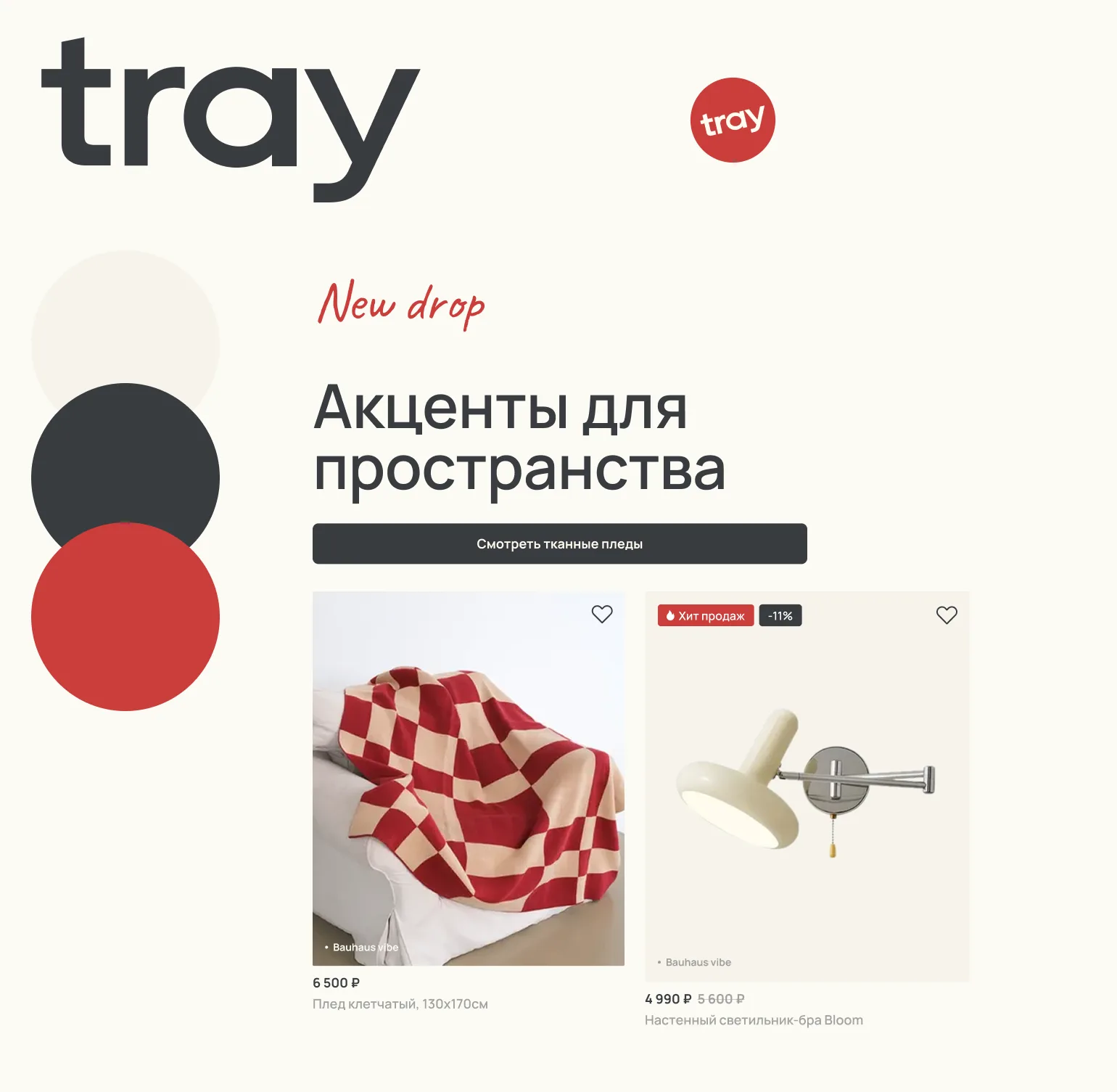
I needed Tray to look and sound like a brand, not just another home goods store. I started with references: how international brands like HAY and Ferm Living do it, and what could work for us. From that, I shaped the look, the tone of voice, the values, and the approach to content. Then I built all of it into the design and the design system: colors, fonts, photo style, the words we use, and the words we don't. I set the direction, and the key layouts were made together with a designer. The result is a brand face you recognize the same way on the website, on a product page, and in stories. I put it all into a brand guide you can hand to an agency or a new team member without long explanations.
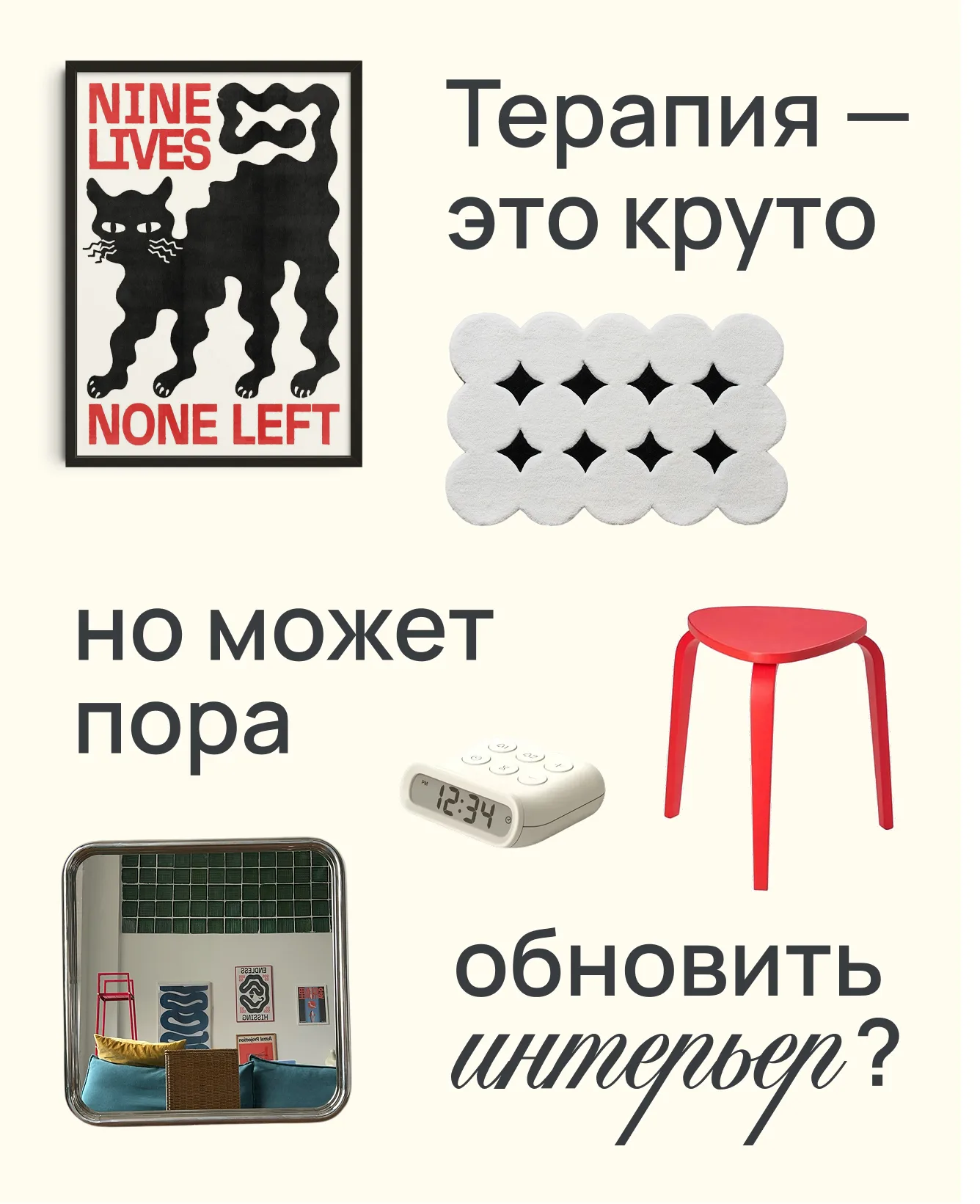
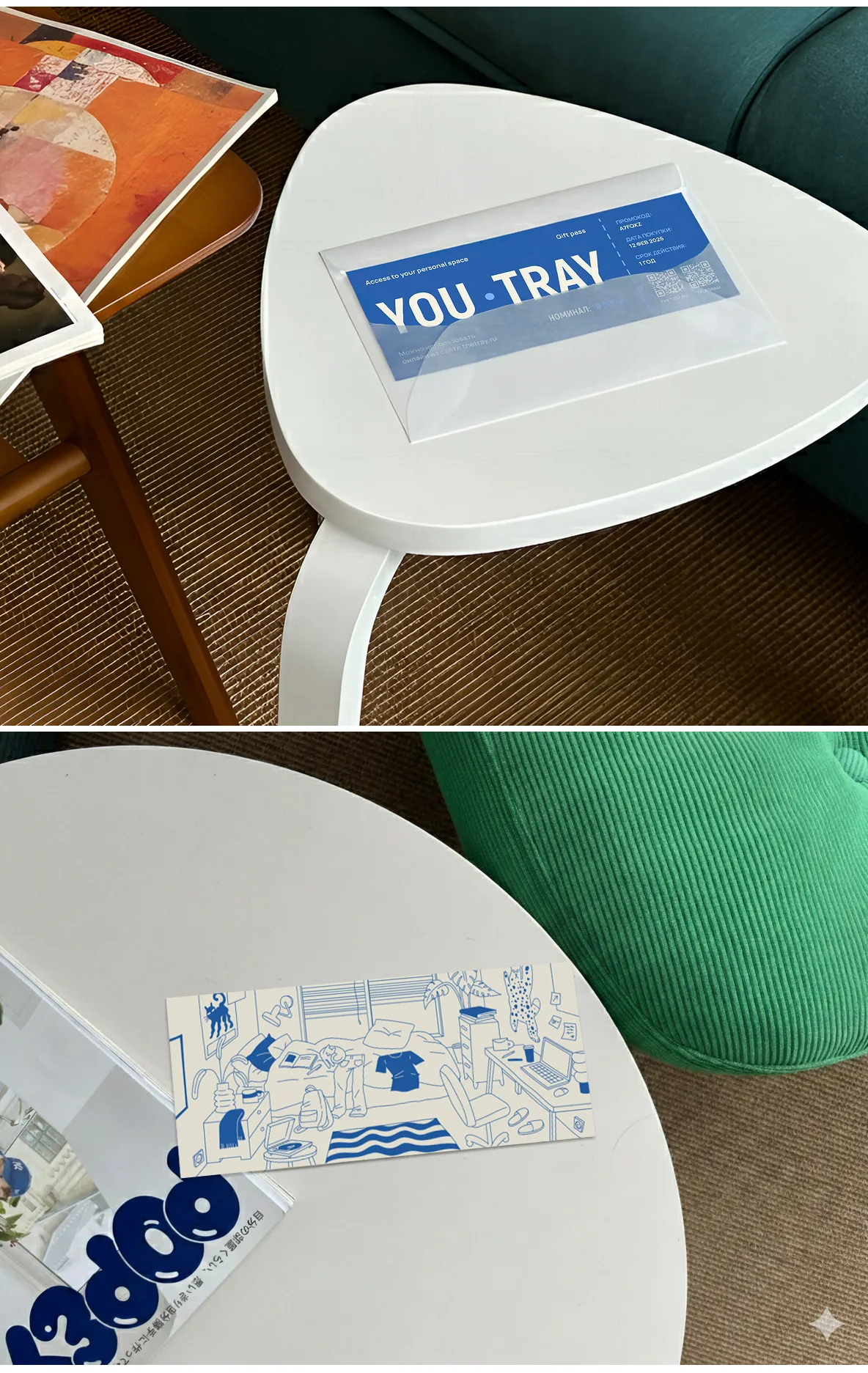
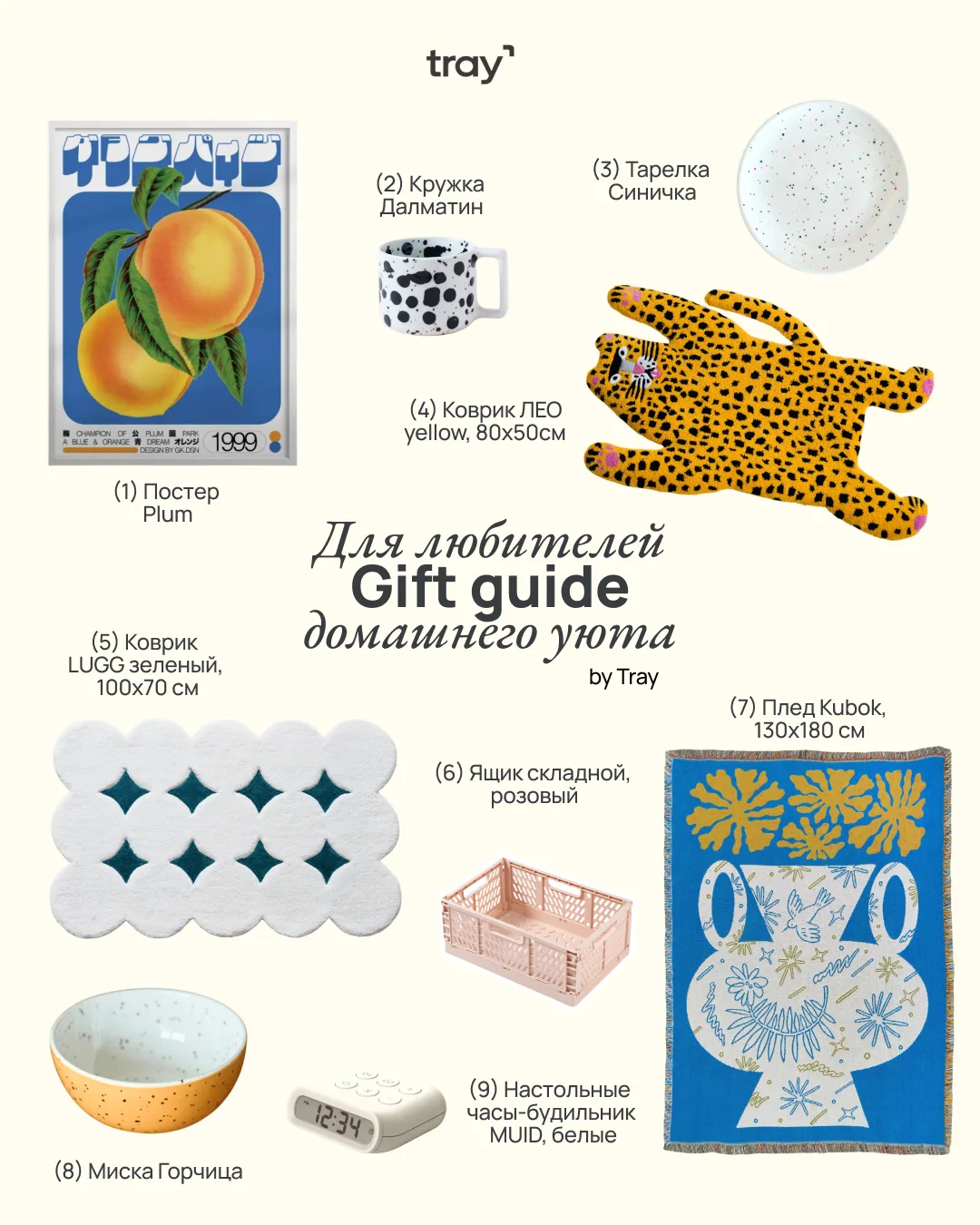
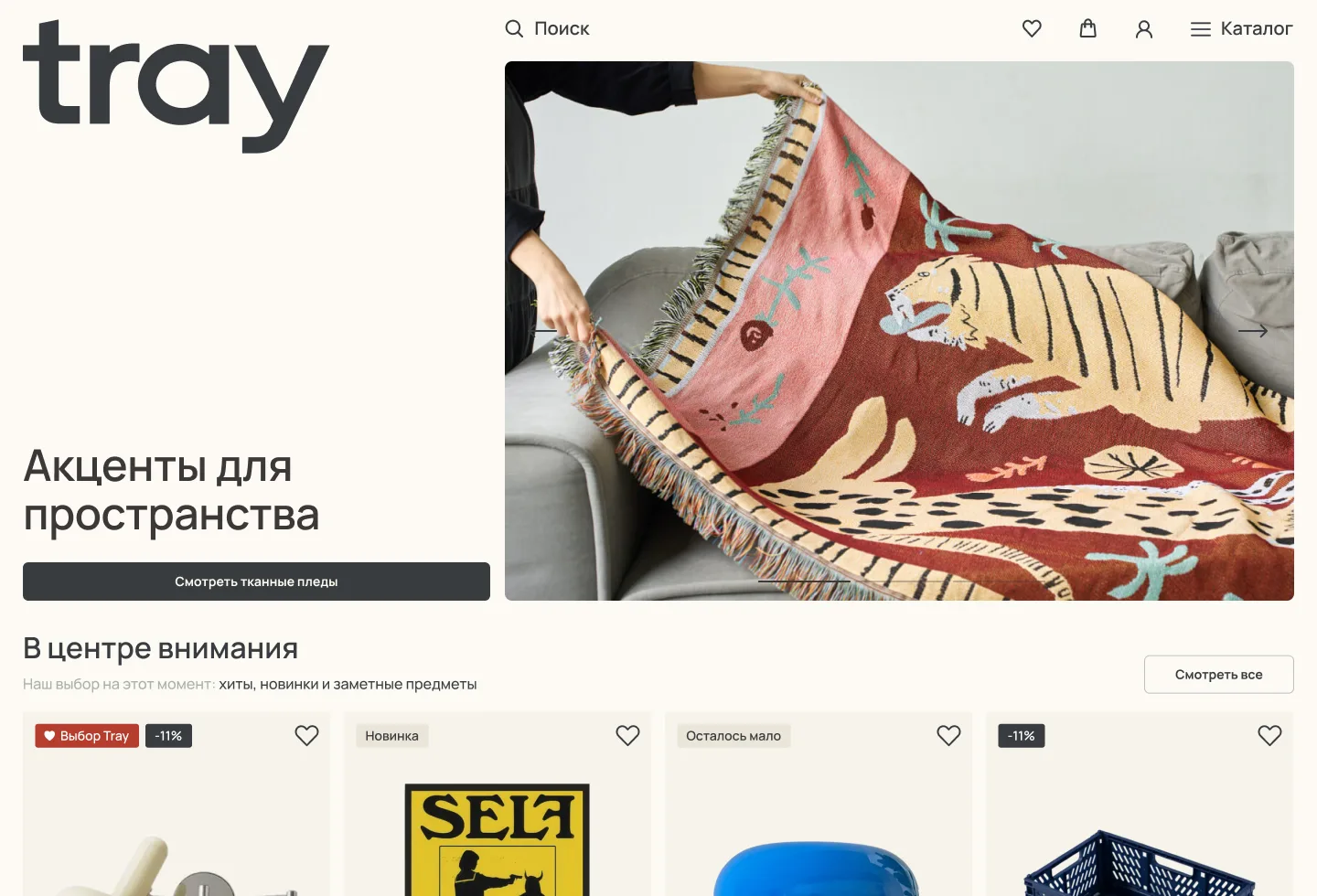
Marketing and content
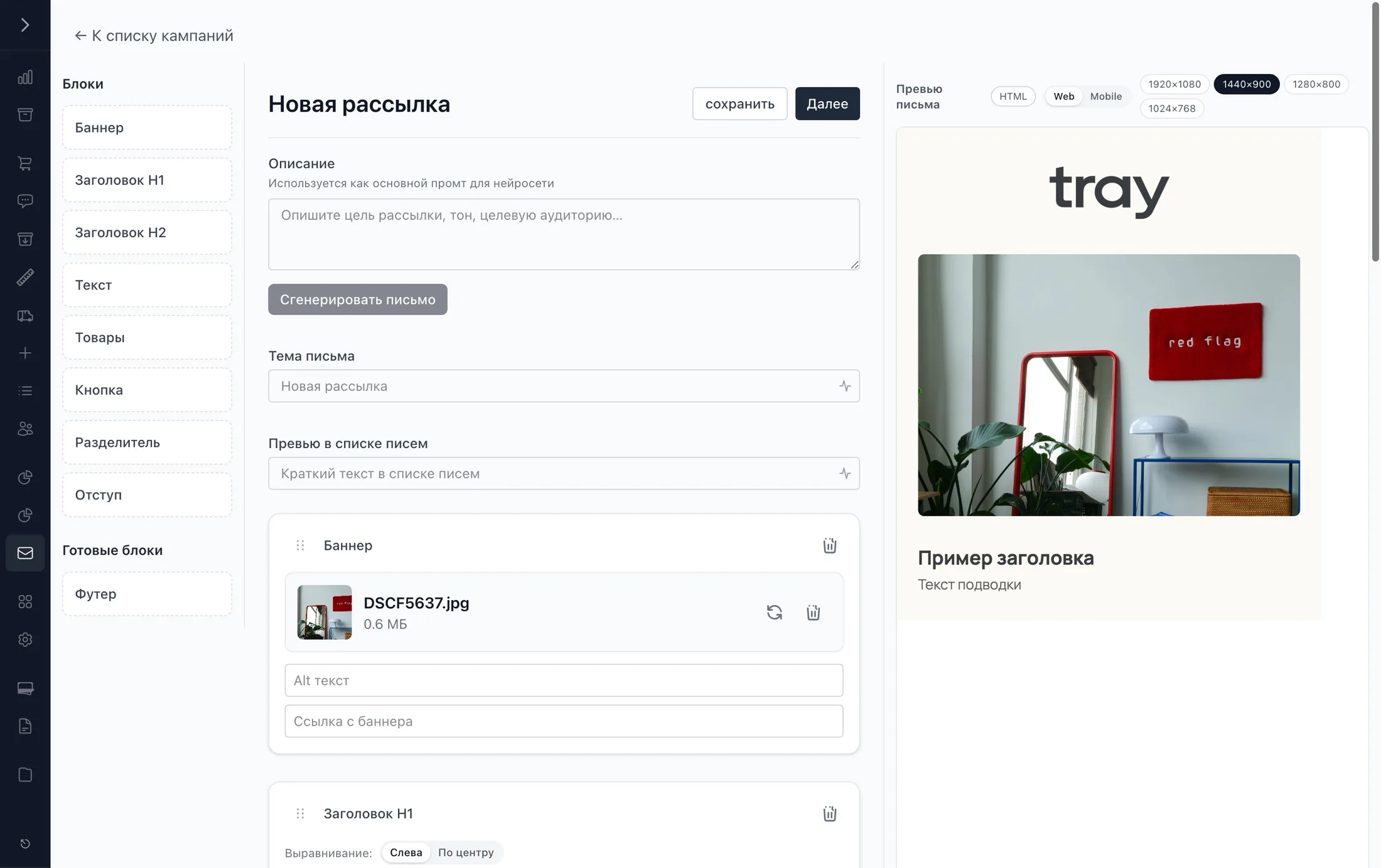
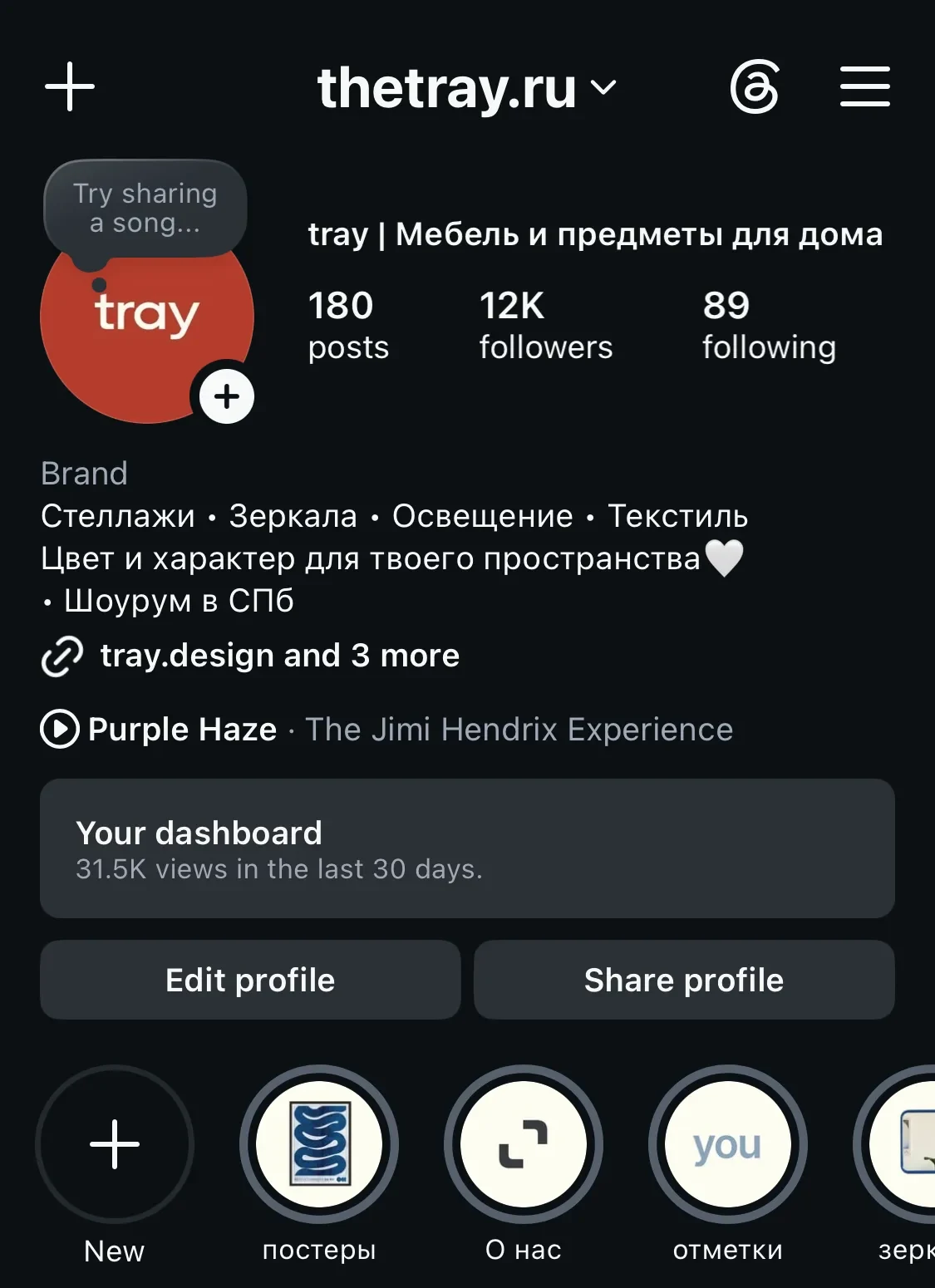
My job was to make people know Tray as a brand, not as a nameless marketplace seller. Instagram became our main channel: that's where our audience and everything close to our niche lives. The account grew to 12,000 followers, and some reels got from 20,000 to 400,000 views. We also ran a Telegram channel as a more personal, conversational format. I made the content plan and strategy: what series we run, what we show, how we talk about new products and sales. I worked with bloggers and integrations, set up Yandex Direct with retargeting, and ran email campaigns to our customer base. I tracked each channel's return in Yandex Metrica and in our own analytics, so money and effort went where they actually worked.
Finance and deals
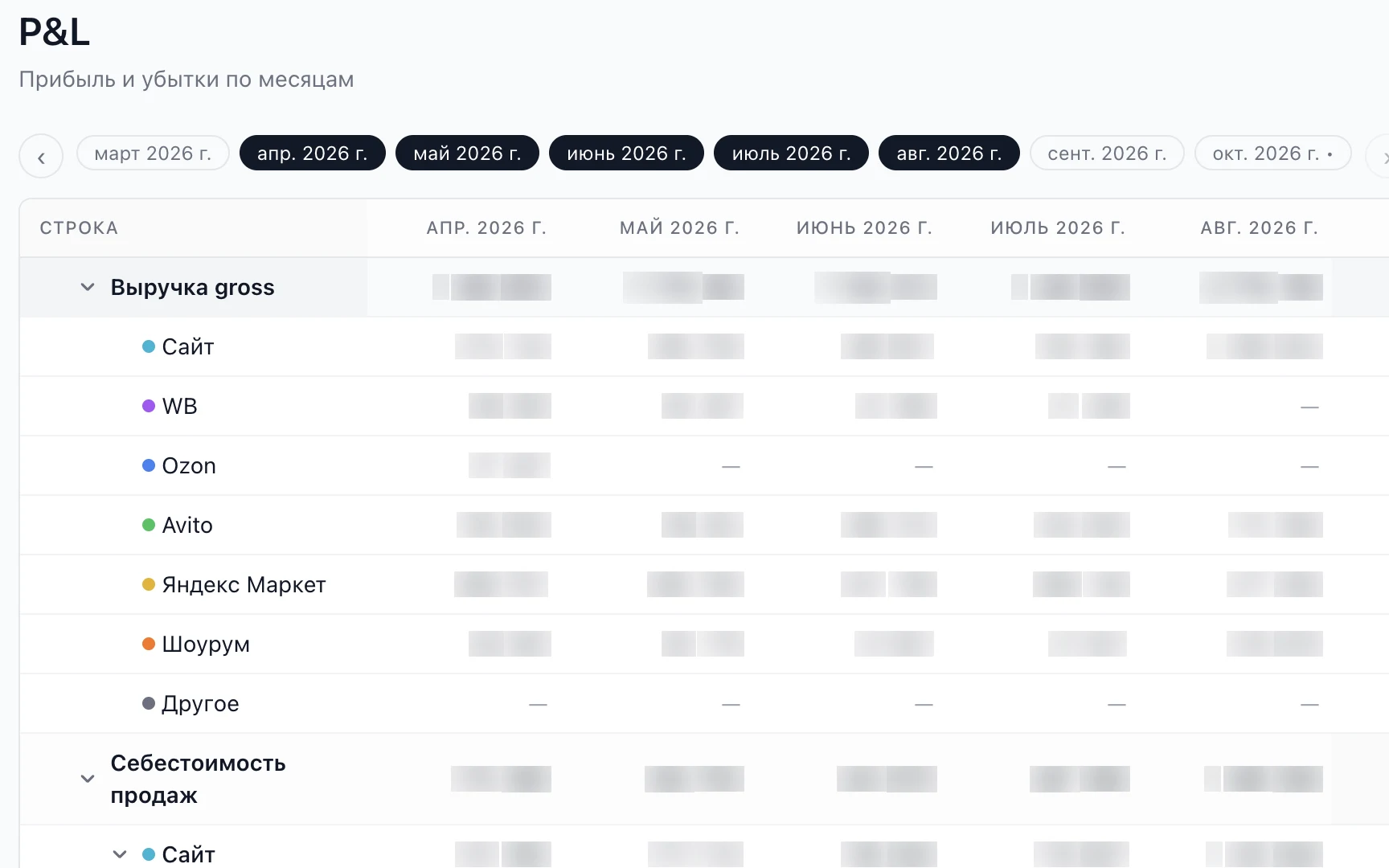
A small business always has fewer resources than problems, so a lot had to be solved with agreements rather than money. To launch Tray, I put together a business plan and found a partner who invested in it. When it was time to step away from daily operations, I found someone ready to take over running the business — so the brand kept going instead of shutting down. I designed and drew up both deals myself. Day to day, I kept all the books: unit economics, cost of goods, cash flow, and P&L. When spreadsheets weren't enough, I built a dashboard with the key metrics and a Telegram bot with daily numbers — it later grew into our own platform, which has its own case.
Operations and team
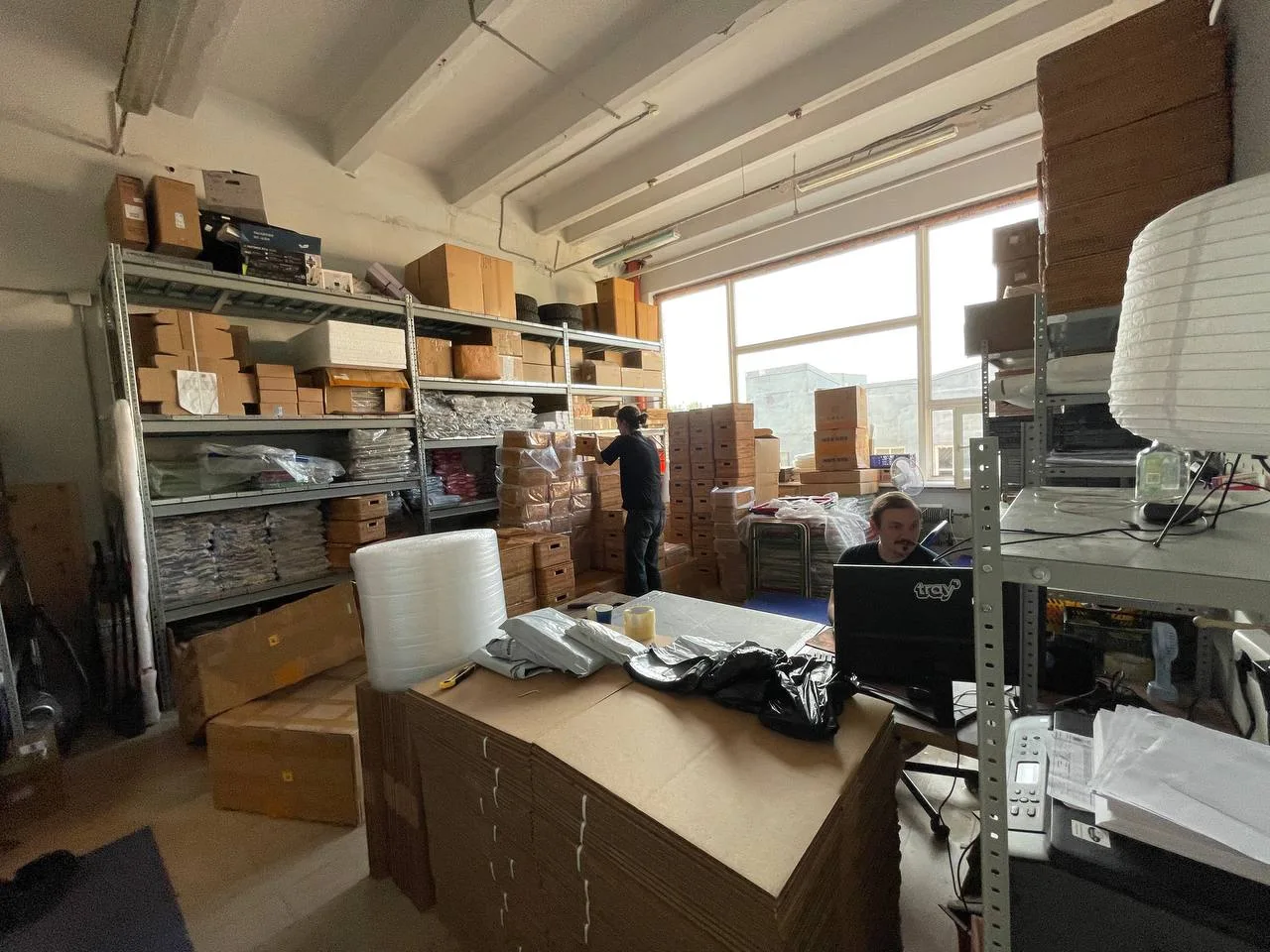
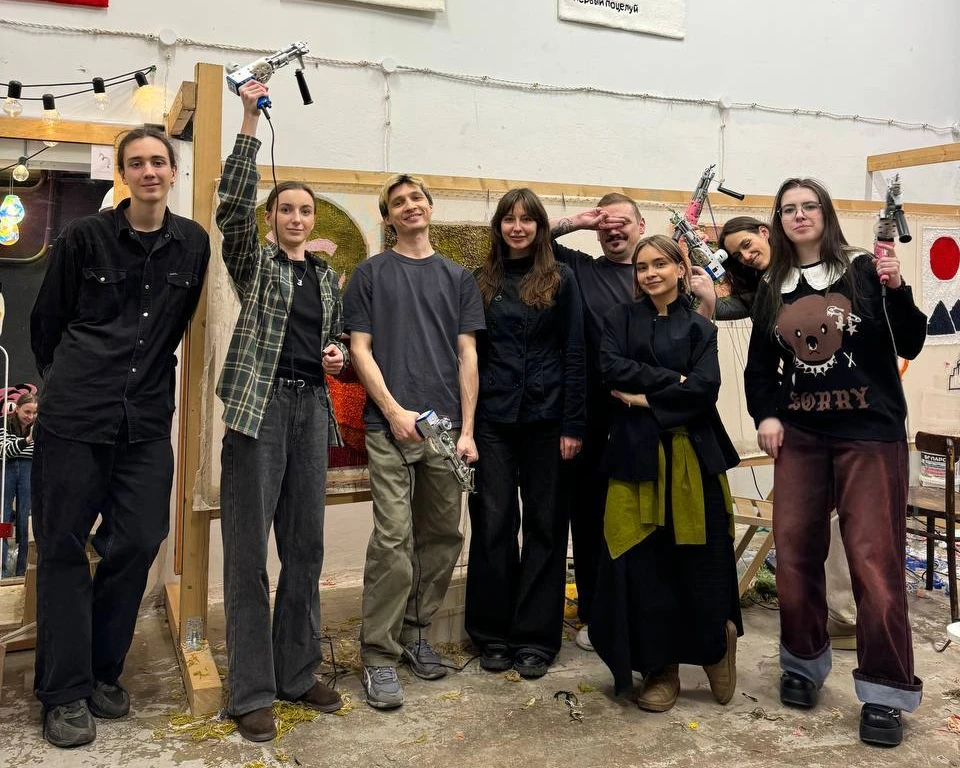
I found and set up a space in the Petrogradsky district for the warehouse, office, and showroom, and organized warehouse work and daily shipping. I hired, interviewed, and trained the team myself: customer managers, warehouse staff, buyers, SMM managers, and designers.
For me, Tray was a lot of different tasks, but the same approach: understand the problem, find a practical solution, and turn it into something that works — a physical product, a brand, or a system. If you have a problem that needs someone like that, I'd be glad to dig into it.